8 min read
4.9
· 195 Amazon ratingsShare This Review
Beyond Blind Blaming by Kevin St.Clergy Review: A Root-Cause Framework for the Stuck Entrepreneur
Beyond Blind Blaming: Stop Solving the Wrong Problem by Kevin St.Clergy is a self-help business book built around one diagnostic insight: most people aren't failing — they're solving the wrong problem with remarkable precision. Published in November 2025 by Blind Blaming LLC, it introduces the Beyond Blind Blaming™ framework and draws on St.Clergy's own entrepreneurial journey and work with thousands of business owners to help readers identify true constraints and create lasting change.
LuvemBooks Verdict
Best for
Entrepreneurs and business owners who feel persistently stuck despite genuine effort and sound strategy, and suspect the real issue may be that they're solving the wrong problem rather than the right one badly.
Worth it if
You want a concise, jargon-free diagnostic framework that challenges you to interrogate why your previous solutions haven't worked before reaching for new tactics.
Skip if
You're looking for an exhaustive, research-heavy standalone business reference — at 176 pages and structured as Book 1 of 2, the treatment is deliberately concise and the complete framework requires a second instalment.
What readers & critics say
The Nonfiction Book Club awarded the book a Silver Book Award, synopsising its central insight as explaining "why so many successful business leaders feel stuck despite working harder than ever." Book Excellence, as reported by openpr.com, described it as "an eye-opening reframing of why capable, driven leaders stay stuck, exposing how relentless effort often reinforces the wrong diagnosis rather than the real constraint."
Sources: Nonfiction Book Club, openpr.comAsk LuvemBooks
Was this helpful?
- Is it worth reading?
- For entrepreneurs and business owners frustrated by solutions that haven't stuck, Beyond Blind Blaming offers a genuinely differentiated diagnostic lens — one that asks why prior efforts failed before prescribing anything new, which sets it apart from conventional productivity advice. The book carries a notable endorsement from Jack Canfield, multiple New York Times bestselling author of the Chicken Soup for the Soul series and The Success Principles, who read it cover to cover and took extensive notes. The main caveats are its concise 176-page length — readers expecting exhaustive, citation-heavy business literature may find the evidence base lean — and its serialized structure, meaning the complete framework spans a second volume.
- Similar books
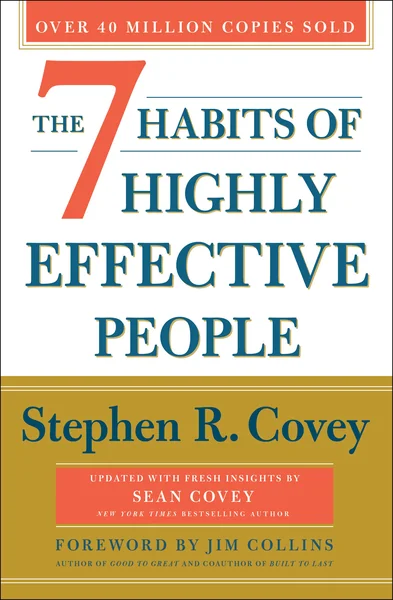
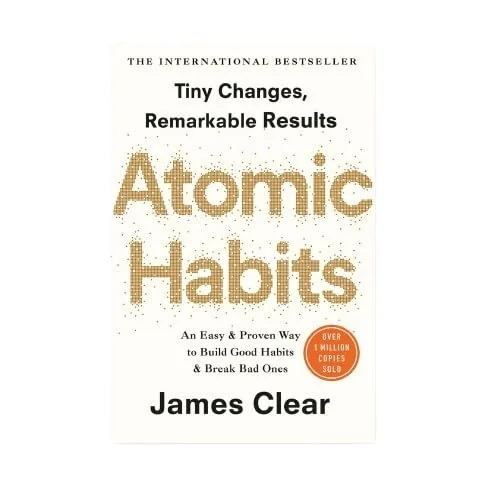
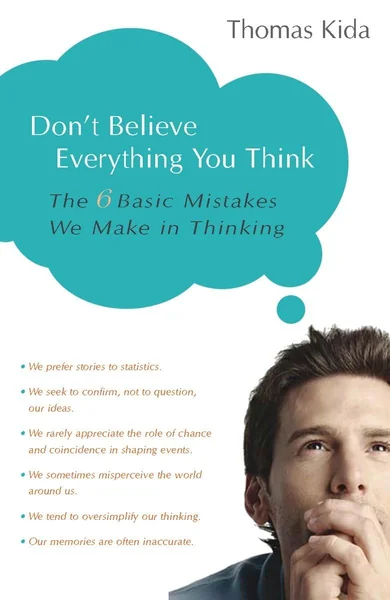
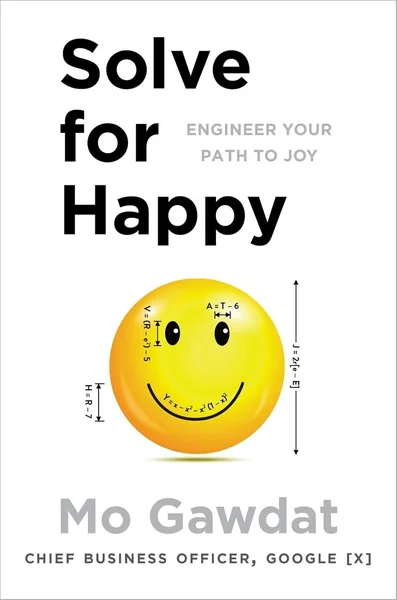
- Readers drawn to Beyond Blind Blaming's diagnostic, root-cause orientation will find natural companions in several titles. Stephen R. Covey's The 7 Habits of Highly Effective People shares the emphasis on principle-centred, foundational thinking rather than tactical shortcuts, while James Clear's Atomic Habits similarly interrogates why behavioural change efforts fail before offering a systems-based alternative. Thomas E. Kida's Don't Believe Everything You Think is a strong pairing for the book's core argument about misdiagnosed problems — Kida examines the cognitive errors that lead people to the wrong conclusions. For readers who connect with St.Clergy's reframing lens, Mel Robbins' The Let Them Theory and Mo Gawdat's Solve for Happy offer related explorations of how shifting your mental model, rather than doubling down on effort, creates genuine change.
- Who should read this?
- Beyond Blind Blaming is most directly aimed at entrepreneurs and business owners — the population St.Clergy explicitly describes working with over decades, and whose recurring stuckness formed the empirical basis for the framework. The book uses business-specific framing throughout, interrogating assumptions about common challenges like marketing problems and asking whether the stated problem is actually the real one. General personal-development readers can apply the diagnostic lens beyond its entrepreneurial context, but will need to translate the examples into their own domain. It is an adult-oriented, professional-development read.
- What are the main themes?
- The central theme is diagnostic accuracy: the argument that most people remain stuck not because of laziness or poor strategy, but because they have misidentified their true constraint — what St.Clergy calls 'blind blaming.' Related themes include the importance of interrogating prior failures before adopting new solutions, the difference between addressing symptoms and addressing root causes, and the possibility of 'breakthroughs on demand' once the real constraint is identified. The book also weaves in St.Clergy's personal entrepreneurial journey as a through-line, framing the framework as something discovered through lived experience rather than purely theoretical research.
- Is this a good book club pick?
- Beyond Blind Blaming has genuine discussion potential for professional or entrepreneurial reading groups, particularly those focused on business growth, leadership, or personal effectiveness. Its central diagnostic question — 'are you solving the wrong problem?' — is concrete enough to spark structured reflection and practical enough to invite members to map it to their own situations. The concise 176-page length also makes it a manageable group read. General literary book clubs may find its business-owner framing limiting, but professional development groups or mastermind cohorts are likely to find it a productive shared text.
- Do I need to read Book 2?
- Beyond Blind Blaming is structured as the first book in a two-part series under the Beyond Blind Blaming Series imprint. The first volume introduces the framework and its three-step diagnostic architecture, but readers seeking a fully self-contained treatment of every dimension of the Beyond Blind Blaming™ system will need to continue to the second installment. The book stands on its own as an introduction to the core reframe and methodology, but the serialised structure is worth knowing upfront if completeness is a priority.
Summarize this book
Follow up
Synthesized from verified book data & published reviews · How we review
Press Enter to ask. Answers come from our editorial Q&A — start typing to see related questions.
Age & Reading Level
Recommended age
Adult
Reading level
Adult
who it suits
Skip if you prefer exhaustive, research-heavy business books with deep citation and case-study evidence.
Our Review
What the Book Is and What It Argues

The Central Premise and How It Differs
Strengths: Tone, Credibility, and Endorsement
Scope and Audience
Limitations to Consider
Sources & Further Reading
The key facts and claims in this review are grounded in the retrieved, verified sources listed below.
- Cited in this review
- 1
blindblaming.com
- 2
- Further reading
- 3
- 4
Books like Beyond Blind Blaming
Curated picks for readers who enjoyed Beyond Blind Blaming, with our reasoning for each match.
If you liked Beyond Blind Blaming