8 min read
4.6
· 5,357 Amazon ratingsShare This Review
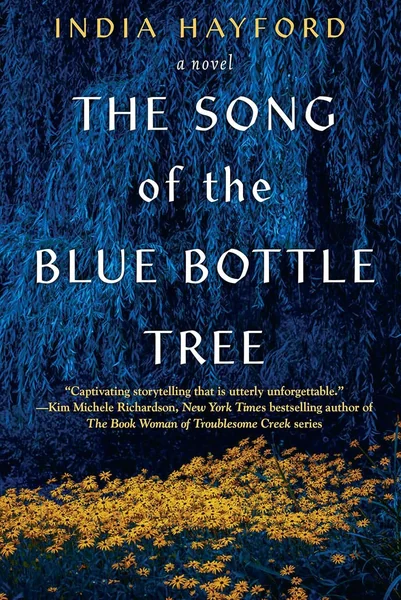
The Song of the Blue Bottle Tree by India Hayford Review: A Haunting Southern Debut of Fierce Womanhood
India Hayford's debut novel places a ghost-talking, snake-handling young woman named Genevieve Charbonneau at the center of a 1967 Arkansas homecoming tangled with folk magic, found family, and long-buried trauma — a Publishers Marketplace Buzz Books selection that has drawn comparisons to Delia Owens and Barbara Kingsolver.
LuvemBooks Verdict
Best for
Readers who love literary Southern Gothic — particularly fans of Delia Owens or Barbara Kingsolver — and want a debut rooted in genuine place-knowledge, folk magic, and a protagonist whose entire life has been lived outside conventional belonging.
Worth it if
You can hold tonal contradiction — dark humor alongside grief, magical realism alongside unflinching trauma — and want a Southern Gothic novel that earns its landscape rather than merely borrowing it as atmosphere.
Skip if
You prefer conventionally paced literary fiction or are put off by the coexistence of brutal realism and the supernatural, or are sensitive to unflinching depictions of abuse, sexual assault, and religious trauma without softening.
What readers & critics say
Story Street Writers calls the novel "magnificent and grotesque," warning that certain scenes will leave readers "horrified, sickened, and angry" while rewarding those who persevere with "a naturalist's eye for setting and characters (both living and dead) who live on in the reader's mind long after the book ends." Dear Author gave it an A-minus, describing it as a haunting story about the power of names and the ties that bind, noting the reviewer initially hesitated but was ultimately very glad they read it.
Sources: Story Street Writers, Dear AuthorAsk LuvemBooks
Was this helpful?
- Is it worth reading?
- For readers drawn to literary fiction that does not soften its edges, The Song of the Blue Bottle Tree earns its Publishers Marketplace Buzz Books selection with a protagonist — Genevieve Charbonneau — unlike almost anyone else in contemporary literary fiction, and a setting rendered with rare generational authority. Multiple published novelists in adjacent territory, including Kim Michele Richardson and Donna Everhart, praise the craft specifically: its tonal balance of dark humor, magical realism, and emotional harrowing is described as "utterly unforgettable" and "evocative and beautifully crafted." The novel's central tension — belonging versus flight — gives it thematic resonance that extends well beyond its Southern Gothic register. Readers who prefer lighter fare or more conventionally plotted narratives will find it demanding, but those who can meet it on its own terms will find genuine staying power.
- Similar books
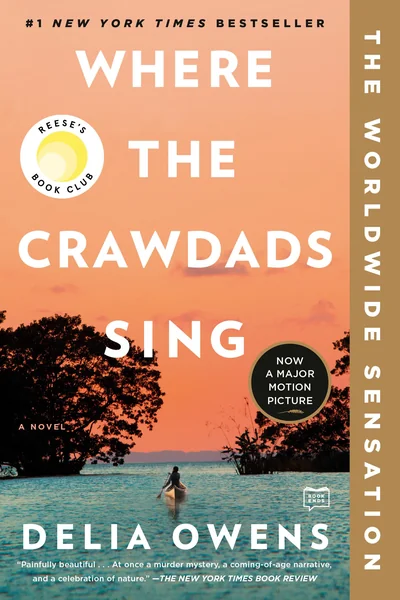
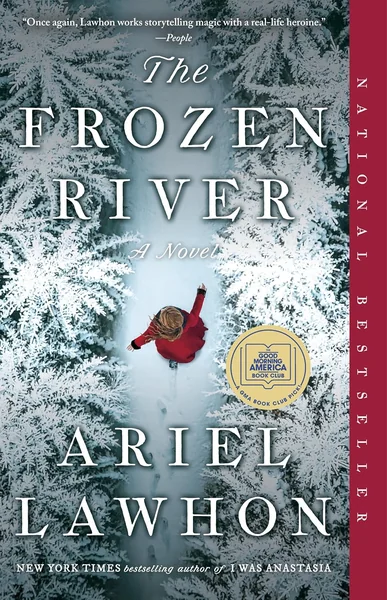
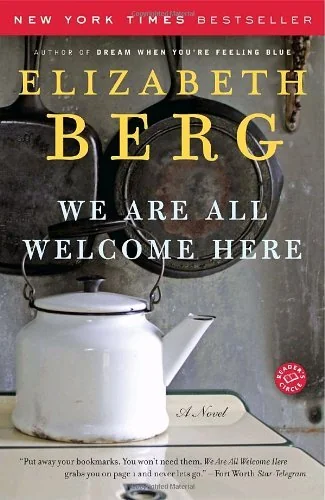
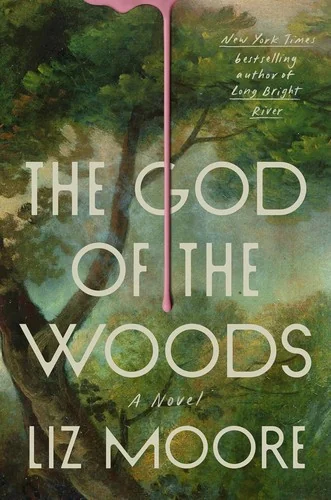
- Readers drawn to The Song of the Blue Bottle Tree will find natural companions in several of the curated titles below. Delia Owens' Where the Crawdads Sing shares the novel's isolated natural setting, a solitary female protagonist shaped by abandonment, and the use of landscape as moral terrain. Ariel Lawhon's The Frozen River and William Kent Krueger's Ordinary Grace both work in the register of literary fiction grounded in specific historical moments with dark undercurrents and questions of justice. Elizabeth Berg's We Are All Welcome Here and Lisa Wingate's The Book of Lost Friends each explore found family and female resilience in the American South, themes central to Hayford's novel as well. Liz Moore's The God of the Woods, with its atmospheric setting and layered secrets, rounds out the grouping for readers who want that same sense of place pressing against the characters.
- Who should read this?
- The Song of the Blue Bottle Tree is built for adult readers of literary fiction who are comfortable with tonal complexity — specifically the Southern Gothic coexistence of folk magic, dark humor, and unflinching trauma. The publisher's own framing — "harrowing and triumphant," "visceral," "otherworldly" — signals a natural audience in fans of Delia Owens, Barbara Kingsolver, and writers like Kelly Mustian and Quinn Connor who treat nature as moral terrain. Readers drawn to questions of inheritance, belonging, and what home actually costs a person shaped by lifelong displacement will find particular resonance. Those seeking conventionally plotted, emotionally straightforward literary fiction, or who want folk magic treated lightly, are not the intended audience.
- What are the main themes?
- The novel's central preoccupation is the tension between belonging and flight — embodied in Genevieve Charbonneau's bone-deep hunger for human connection set against the instinct to flee that has defined her decade of wandering. Hayford weaves this through a broader meditation on inheritance (both genealogical and spiritual), the power of names, and what home actually means to someone formed entirely outside conventional belonging. Folk magic and the supernatural are not ornamental: they are the novel's language for engaging with trauma, the persistence of the past, and the possibility of redemption. The Vietnam War's shadow over a rural community adds a specific historical dimension to the novel's larger interest in damage that outlasts its original cause.
- What's the industry buzz?
- The Song of the Blue Bottle Tree was selected as a Publishers Marketplace Buzz Books title, a distinction given to debut novels with strong pre-publication momentum among the publishing industry. The advance praise is notably specific about craft rather than generic: Kim Michele Richardson, New York Times bestselling author of The Book Woman of Troublesome Creek series, calls the storytelling "utterly unforgettable"; Elizabeth Hardinger singles out its blend of magical realism and dark humor as "evocative and beautifully crafted"; and Donna Everhart credits Hayford with a gallery of supporting characters "bursting with offbeat, colorful personalities" on "worthy, but treacherous paths toward their individual redemption." The range of blurbers — all published novelists working in adjacent Southern literary territory — suggests the recognition reflects genuine peer regard rather than publisher positioning alone.
- Are there any content warnings?
- Yes — The Song of the Blue Bottle Tree engages unflinchingly with domestic abuse, trauma, and the supernatural. A central plot strand involves an abused woman and her daughters fighting back against a predatory figure; the novel also deals with Vietnam-era psychological damage, ghost communication, and folk magic including snake-handling. The publisher's own language — "harrowing," "visceral," "otherworldly" — reflects a narrative designed for readers who can hold tonal complexity. This is not a book for readers seeking gentle or emotionally safe literary fiction.
Summarize this book
Follow up
Synthesized from verified book data & published reviews · How we review
Press Enter to ask. Answers come from our editorial Q&A — start typing to see related questions.
Age & Reading Level
Recommended age
Ages 16+
Reading level
Adult
5 content notes · who it suits
Content to know about
Best for: Adults / mature 16+ — unflinching depictions of domestic abuse, predatory behavior, trauma, and harrowing supernatural elements throughout.
Skip if You prefer emotionally gentle, conventionally paced literary fiction without supernatural or harrowing elements.
Our Review
What the Novel Is and What It Sets in Motion
The Significance of This Premise and Its Place in the Genre
Craft and Characterization: What the Sources Confirm
Intensity and Audience Fit
Why It Matters Beyond the Debut Label
Sources & Further Reading
The key facts and claims in this review are grounded in the retrieved, verified sources listed below.
- Cited in this review
- 1
- 2
- 3
storystreetwriters.com
- Further reading
- 4
kensingtonbooks.com
- 5
- 6
- 7
- 8
booksthatslay.com
Books like The Song of the Blue Bottle Tree
Curated picks for readers who enjoyed The Song of the Blue Bottle Tree, with our reasoning for each match.
If you liked The Song of the Blue Bottle Tree