8 min read
4.6
· 1,811 Amazon ratingsShare This Review
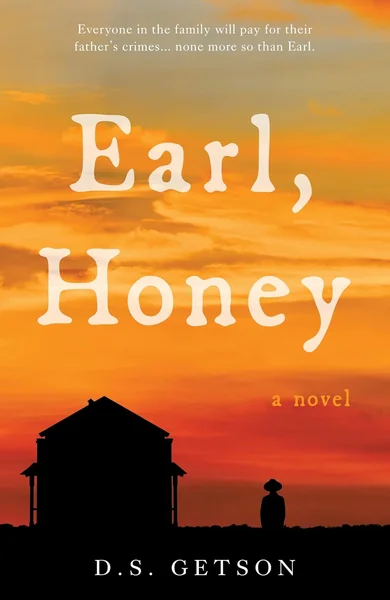
Earl, Honey by D S Getson Review: A Harrowing, Redemptive Coming-of-Age Novel
Earl, Honey is a coming-of-age novel by D. S. Getson, published by Troubador Publishing (Matador imprint) in May 2022, set in the 1920s American South and based on the true story of the author's great-uncle. It follows Earl Hahn, a thirteen-year-old boy left cognitively impaired after his father struck him in the head with a two-by-four, as he navigates a childhood defined by his father's prosecution for incest and the devastating aftermath that falls on the entire Hahn family. Raw, honest, and rooted in real events, the novel has drawn strong praise for the quality of its prose, the vividness of its characters, and its unflinching yet ultimately hopeful portrayal of survival and redemption.
 Tap to enlarge
LuvemBooks Verdict
Best for
Readers drawn to Southern Gothic coming-of-age fiction who want a historically grounded story of family trauma, redemption, and moral weight — particularly those who respond to prose-driven narratives rooted in real events rather than genre invention.
Worth it if
You are willing to sit with genuinely dark material — incest, violence, and cognitive injury — in exchange for writing praised as "exceptionally fine," characters rendered with striking vividness, and an emotional authority that comes from the story being drawn from documented family history.
Skip if
Readers who are sensitive to unflinching depictions of abuse, incest, and trauma should approach with care, as the novel establishes its harshest material from the very first chapter and does not soften it; those seeking broad social or historical panorama beyond Earl's personal journey may also find the tight focus limiting.
What readers & critics say
The seattlebookmamablog.org review praises Getson's prose as unusually clear, strong, and resonant — so much so that the reviewer felt compelled to quote it extensively — and names Getson "an author to watch." The amazon.co.uk reader reception echoes this enthusiasm, with reviewers describing the writing as "exceptionally fine," the plot as "beautifully crafted," the characters as feeling "so alive I felt I could see them," and noting that despite its shocking themes, the novel sustains a current of goodness and, ultimately, hope.
Sources: Seattle Book Mama Blog, Amazon UKAsk LuvemBooks
Was this helpful?
- Is it worth reading?
- For the right reader, Earl, Honey is a deeply rewarding experience. The seattlebookmamablog.org reviewer describes the writing as 'phenomenal, from the riveting opening line, all the way to the last' and calls Getson 'an author to watch,' while Amazon UK reviewers describe the prose as 'exceptionally fine,' the plot as 'beautifully crafted,' and call it one of the best novels read in a long time — moving, well-written, and precisely the right length. The fact that the novel is rooted in verified true events rather than genre invention elevates its emotional stakes considerably. The caveat is that it is not a comfortable read: the content is unflinching from the very first chapter, and readers sensitive to incest, violence, and serious trauma should go in prepared.
- Similar books
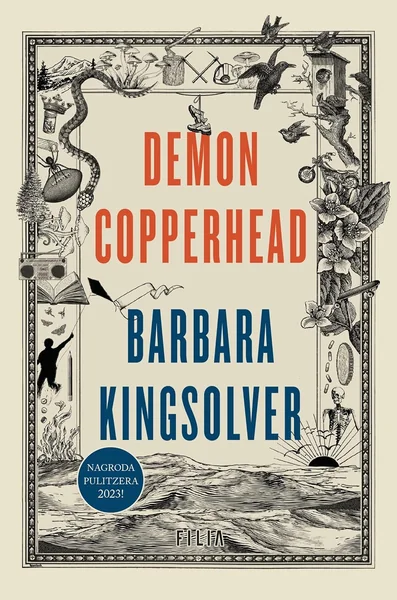
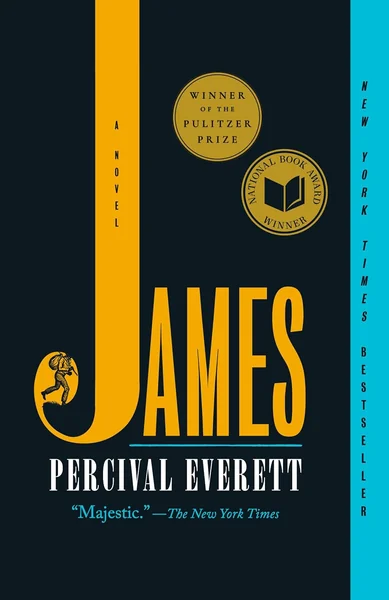
- Readers drawn to Earl, Honey will find strong resonances in several works of American historical fiction that reckon with cycles of violence, family trauma, and the search for dignity in brutal circumstances. Barbara Kingsolver's Demon Copperhead reimagines David Copperfield in the opioid-ravaged Appalachian South, sharing Earl, Honey's commitment to rendering damaged lives with unflinching prose and genuine heart. Wallace Stegner's Angle of Repose is a multigenerational American novel that, like Getson's work, uses a long temporal frame to examine how suffering echoes across a family's history. Hanya Yanagihara's A Little Life and Jeannette Walls' The Glass Castle both explore childhoods defined by trauma and the long, difficult work of survival — while Percival Everett's James offers another recent example of American historical fiction that reclaims a marginalised perspective with literary precision.
- Who should read this?
- Earl, Honey is designed for adult readers who want historical fiction with genuine moral weight, prose that repays close attention, and a story that does not resolve cheaply. It will particularly reward readers drawn to Southern Gothic fiction, to coming-of-age narratives set against family trauma, or to stories in which damaged characters search for redemption in punishing circumstances. Readers who have been moved by other American historical fiction rooted in real events — especially works that reckon with cycles of violence within families — will recognise what Getson is attempting and, by most accounts, achieving. It is emphatically not for readers who need their difficult subject matter softened or who come to historical fiction primarily for broad social panorama rather than intimate, character-driven storytelling.
- What are the main themes?
- At its core, Earl, Honey is about the aftermath of abuse — specifically, what happens to a family after a patriarch is removed rather than what happens while he is present. The novel explores how cognitive difference shapes identity and social belonging through Earl's 'thickness in his brain,' and how trauma cycles through victims in ways that can make them, in time, perpetrators. Running alongside the darkness is a persistent current of goodness and hope, and the novel ultimately frames Earl's journey as an extraordinary search for redemption. The true-story foundation adds a further layer: Getson is not simply exploring these themes abstractly but bearing witness to lives actually lived.
- What's the writing like?
- Reviewers have been emphatic about the quality of Getson's prose. The seattlebookmamablog.org reviewer describes the writing as 'phenomenal, from the riveting opening line, all the way to the last,' and Amazon UK reviewers use phrases like 'exceptionally fine' and note that the characters felt 'so alive I felt I could see them and actually knew them.' The opening line — 'Ever since Pa hit him in the head with the two-by-four, Earl had lived with blinders on' — is singled out as one of the most arresting in recent historical fiction, immediately establishing the novel's unflinching tone. The prose is grounded in the specificity of the 1920s American South setting, which anchors Earl's story in a fully realised historical world.
- How well-realised is the 1920s setting?
- The 1920s American South setting is described by reviewers as rendered with specificity, fully anchoring Earl's story in a realised historical world rather than serving as mere backdrop. Getson's North Carolina upbringing — and his roots in the actual family history the novel depicts — lend the setting an authenticity that goes beyond period detail. The novel does not use the era to deliver a broad social panorama; instead, the historical world is felt through Earl's immediate experience, which keeps the focus intimate. Readers seeking extensive historical commentary on the 1920s South as a period may find the scope narrower than they expect.
Summarize this book
Follow up
Synthesized from verified book data & published reviews · How we review
Press Enter to ask. Answers come from our editorial Q&A — start typing to see related questions.
Age & Reading Level
Recommended age
Ages 16+
Reading level
Adult
3 content notes · who it suits
Content to know about
Best for: Adults / mature 16+ — incest, child abuse, cognitive injury from violence, and trauma cycles are established unflinchingly from the opening chapter.
Skip if you need difficult subject matter handled with distance or softening, or you're looking for broad historical panorama rather than an intimate portrait of family trauma.
Our Review
What the Novel Is and What It Contains

The True Story Behind the Fiction
Craft and Reception
The Weight of Dark Material
Who This Novel Is For
Sources & Further Reading
The key facts and claims in this review are grounded in the retrieved, verified sources listed below.
- Cited in this review
- 1
books.google.com
- 2
troubador.co.uk
- 3
- Further reading
- 4
seattlebookmamablog.org
- 5
barnesandnoble.com
Books like Earl, Honey
Curated picks for readers who enjoyed Earl, Honey, with our reasoning for each match.
If you liked Earl, Honey