Our reviews
1,017 books, each with who it's for, who should skip it, reading level and content notes, and every source we used.
1,017 reviews
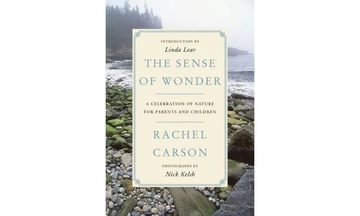
Rachel Carson
Best for: Parents, grandparents, caregivers, and educators who want a philosophically rich, literary case for why sharing the natural world with children matters — and who need inspiration rather than a step-by-step activity plan.
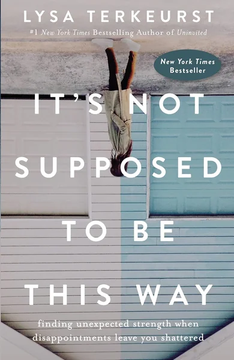
Lysa TerKeurst
Best for: Christian women — particularly those in the middle of acute crisis such as betrayal, illness, or unanswered prayer — who want a blend of raw personal memoir, Scripture-grounded guidance, and small-group-ready structure rather than a detached theological study.
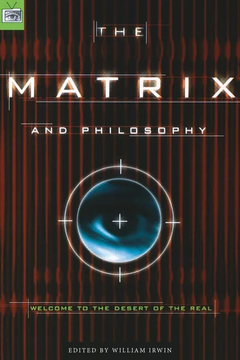
William Irwin
Best for: Philosophy-curious readers who want a rigorous, multi-perspective introduction to Western philosophical traditions — epistemology, metaphysics, ethics, existentialism — organised around a film they already know and care about.
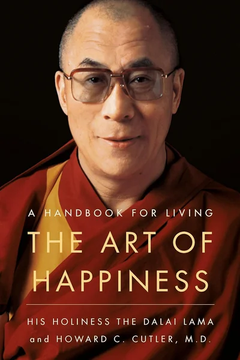
Dalai Lama
Best for: Secular or spiritually curious readers who want a practical, accessible introduction to happiness as a trainable discipline — and who welcome Buddhist contemplative wisdom filtered through a Western clinical lens rather than a primary philosophical or religious text.
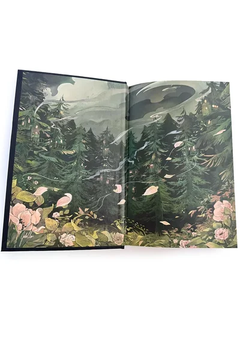
Devney Perry
Best for: Readers who love epic romantasy in the vein of Sarah J. Maas and Rebecca Yarros — specifically those who want a monster-populated fantasy world, a slow-burn enemies-to-lovers central romance, and a princess-rising-to-power arc spread across a planned trilogy.
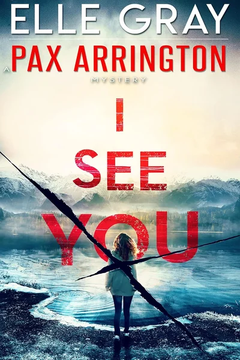
Elle Gray
Best for: Readers who enjoy fast-paced, character-anchored crime thrillers built around a recurring protagonist — particularly those who like binge-reading a complete series arc in one go and appreciate private-eye stories with a psychological, cat-and-mouse edge.
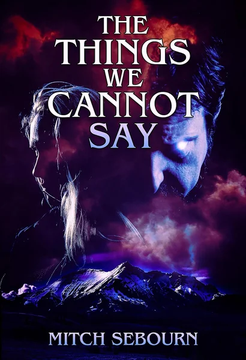
Mitch Sebourn
Best for: Horror fiction readers who came up on Stine-era genre paperbacks and want a lean, propulsive Kindle read from an emerging author with deep roots in the horror tradition.
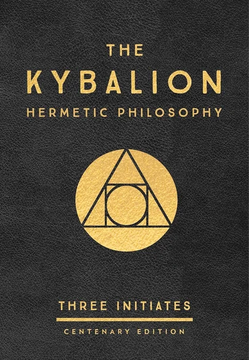
Three Initiates
Best for: Longstanding students of esoteric and occult literature who want a definitive, collectible hardcover edition of a foundational Hermetic text, and curious newcomers to Hermetic philosophy who will benefit from Richard Smoley's scholarly introduction as an entry point.
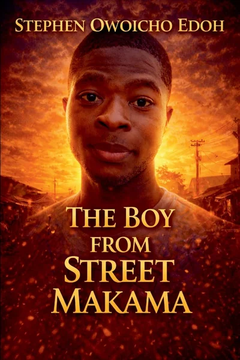
Mel Robbins
Best for: Readers who feel chronically drained by people-pleasing, overthinking, or seeking external validation, and want a clear, memorable, two-part mental framework they can apply immediately across relationships, family dynamics, and personal goals.
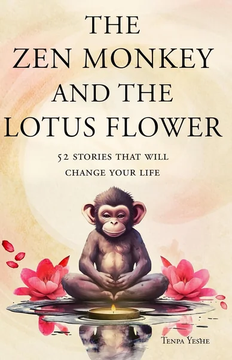
Tenpa Yeshe
Best for: Readers navigating modern stress, negative self-talk, or a general sense of disconnection who want an accessible, Buddhist-influenced entry point they can work through one short story per week, with no prior knowledge of the tradition required.
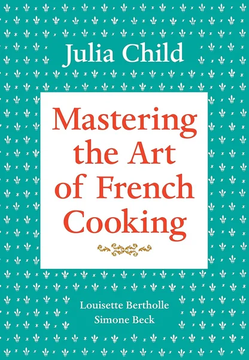
Julia Child, Louisette Bertholle, Simone Beck
Best for: Cooks who want to understand French technique from first principles — and anyone interested in the history of American food culture who wants both a practical reference and a primary document of a culinary turning point.
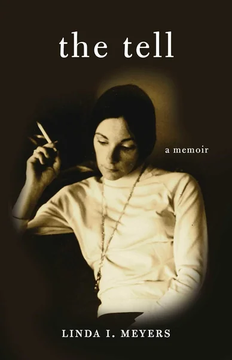
Linda I. Meyers
Best for: Readers drawn to Jewish-American family memoir and mid-twentieth-century social history — particularly those who appreciate non-linear, essay-based structures that build emotional truth gradually rather than driving toward a single narrative climax.
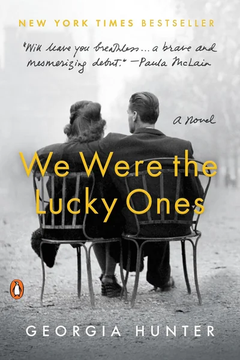
Georgia Hunter
Best for: Readers who love emotionally driven, research-anchored multi-generational wartime family epics — particularly book-club groups who want a sweeping, true-story-rooted Holocaust narrative spanning five continents.
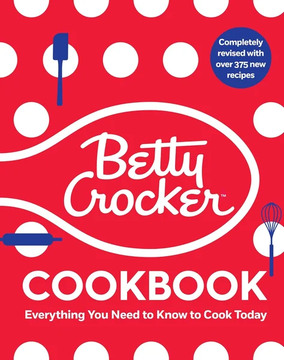
Betty Crocker
Best for: Home cooks — from complete beginners to confident everyday cooks — who want a single, comprehensive, up-to-date reference volume covering the full range of American home cooking, including modern appliances and contemporary dietary needs.
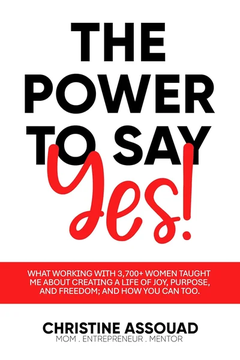
Christine Assouad
Best for: Women navigating the intersection of personal purpose and professional ambition — particularly those in or connected to the Middle East — who want a mentor-driven, story-rich companion rather than a clinical self-help system.
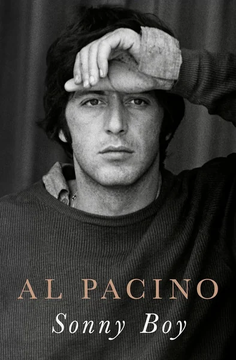
Al Pacino
Best for: Readers drawn to the intersection of poverty, art, and self-invention who want to understand what shaped Pacino before Hollywood did — particularly those curious about New York's postwar theatre underground and the human engine behind iconic screen performances.
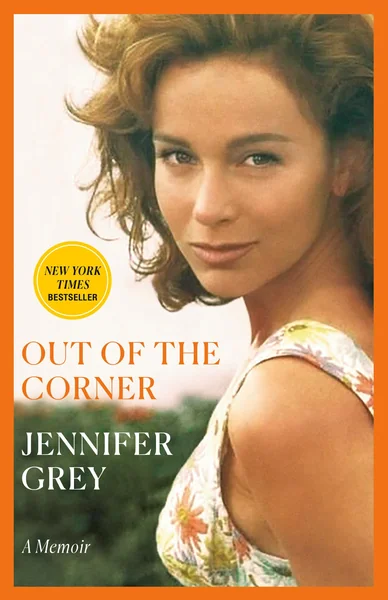
Jennifer Grey
Best for: Readers drawn to Hollywood memoir and the Dirty Dancing era who want an unflinching, self-excavating account of identity, beauty standards, and the long personal consequences of a single irreversible decision — rather than a nostalgic victory lap.
Peter Attia
Best for: Scientifically curious readers — particularly those with a family history of heart disease, cancer, neurodegenerative disease, or type 2 diabetes — who want a rigorous, evidence-grounded framework for rethinking preventive health across a lifetime rather than a quick-fix wellness checklist.
Walker Deibel
Best for: Professionals with some capital access who are seriously considering acquiring and operating a small-to-medium business and want a structured, step-by-step framework to move from initial conviction to closing a deal.
Julius Spes
Best for: Readers feeling overwhelmed by the cumulative demands of work, home, and daily life who want a short, structured, step-by-step framework for reclaiming mental and emotional equilibrium — especially those new to self-help or returning to it after burnout.
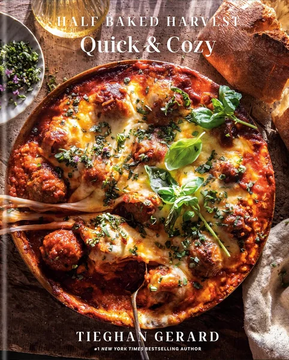
Tieghan Gerard
Best for: Home cooks — especially those feeding families or groups — who want a single volume covering breakfast through dessert with flavorful, comfort-focused recipes that come together in under forty-five minutes using everyday pantry staples.

Margaret H. Bonham
Best for: Dog owners who want to do more with their dog than daily walks but aren't sure which activity — agility, flyball, freestyle, or others — suits their lifestyle and their dog's temperament, and who want a single accessible starting point written by a genuinely experienced canine competitor.
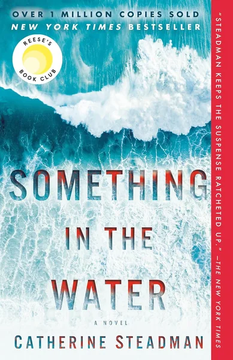
Catherine Steadman
Best for: Readers who love fast-paced domestic psychological thrillers — particularly fans of Ruth Ware, Paula Hawkins, or Gillian Flynn — and anyone looking for a morally charged book club pick with a genuinely debatable "what would you do?" premise at its centre.
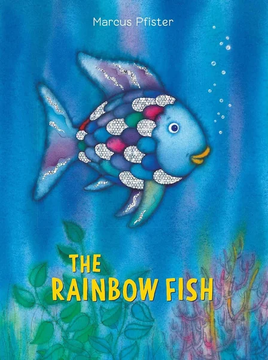
Marcus Pfister
Best for: Caregivers and early-years educators looking for a tactile, visually striking picture book to spark conversation about sharing and belonging with children aged roughly one to five.
