Our reviews
1,017 books, each with who it's for, who should skip it, reading level and content notes, and every source we used.
409 reviews match
Jon Kabat-Zinn
Best for: Anyone dealing with chronic stress, pain, or illness — whether as a patient, clinician, or serious general reader — who wants a rigorous, science-backed, eight-week program guide rather than a breezy wellness primer.
V.E. Schwab
Best for: Readers who love lyrical, emotionally patient fantasy — particularly fans of The Time Traveler's Wife or Life After Life — who are drawn to a centuries-spanning premise that doubles as a meditation on women's erasure from history.
Christopher McDougall
Best for: Runners and non-runners alike who are drawn to adventure-driven narrative non-fiction and want an accessible, energetic introduction to the worlds of ultramarathoning, minimalist footwear, and evolutionary running science.
Adam Silvera
Best for: Readers aged 13 and up who want a character-driven YA romance that uses a high-concept speculative premise — a company that predicts the day you'll die — as a vehicle for emotionally precise exploration of mortality, identity, and LGBTQ+ love.
T. Colin Campbell and Thomas M. Campbell
Best for: Readers already curious about or committed to whole-food, plant-based eating who want a thorough, epidemiologically grounded argument — complete with mechanistic reasoning and a critique of reductionist nutrition science — for eliminating animal products from their diet.
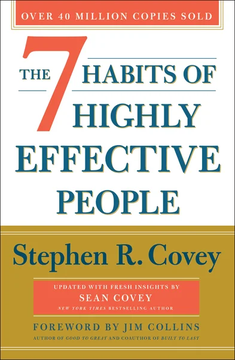
Stephen R. Covey
Best for: Professionals, managers, or motivated self-improvers who want a cohesive, principle-grounded framework for personal and interpersonal effectiveness — and are willing to invest patience in a dense, philosophically serious read rather than a quick-fix checklist.
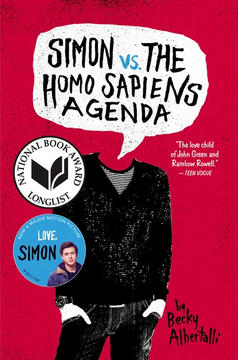
Becky Albertalli
Best for: Young adult readers aged fourteen and up who are navigating questions of identity, disclosure, and belonging — particularly those who want an LGBTQ+ coming-of-age story that treats sexuality as one dimension of a fully drawn teenager's life rather than a problem to be solved.
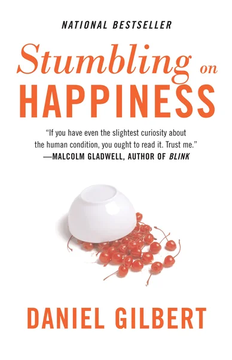
Daniel Gilbert
Best for: Readers curious about the psychology of prediction and self-deception who want a rigorous, research-grounded account of why humans are poor judges of what will make them happy — and who are content to leave without a prescriptive plan.
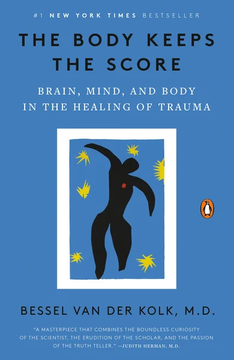
Bessel van der Kolk
Best for: Readers — whether lay or clinical — seeking an accessible, narrative-driven introduction to the idea that trauma reshapes the body and brain, and who want a broad survey of treatment approaches including EMDR, yoga, and limbic system therapy.
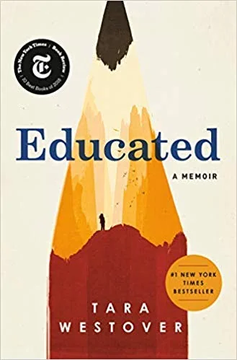
Tara Westover
Best for: Readers drawn to memoir that works simultaneously as family narrative, intellectual history, and ethical inquiry — particularly those interested in education, memory, and the cost of self-determination.
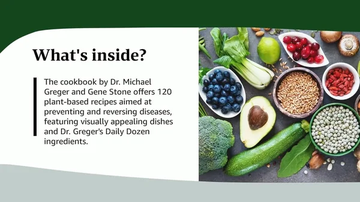
Michael Greger and Gene Stone
Best for: Readers of Michael Greger's How Not to Die who want a structured, science-backed recipe companion to put its whole-food, plant-based dietary recommendations into daily practice.
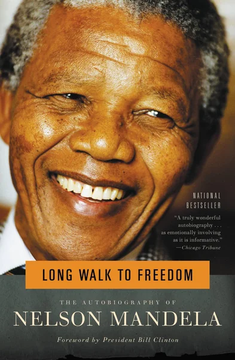
Nelson Mandela
Best for: Readers drawn to political memoir, African history, or the moral architecture of transformative leadership who want a first-person account of apartheid resistance, the Rivonia Trial, and the negotiations that dismantled apartheid — told by the movement's most prominent figure.
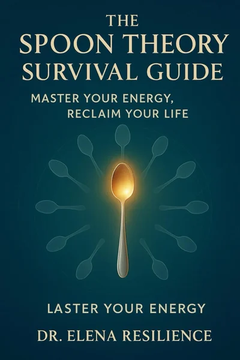
Dr. Elena Resilience
Best for: People living with chronic illness, disability, or variable energy levels who want a structured, named framework — rooted in spoon theory — to organize their daily lives and communicate their energy limitations to caregivers, family, or support networks.
Raman Keane
Best for: Young adults who already have a working grasp of budgeting, saving, and investing — via the first volume or equivalent — and want a structured, accessible guide to the macroeconomic forces (inflation, interest rates, the Federal Reserve) that shape their everyday financial decisions.
Stephen Chbosky
Best for: Teenage readers — and the adults who remember being one — who want an unflinching, emotionally precise coming-of-age story about loneliness, friendship, trauma, and the first moments of feeling truly understood.
Maria Montessori
Best for: Educators training in or curious about the Montessori tradition, researchers in the history of pedagogy, and parents who want to engage with Montessori's own foundational arguments rather than secondhand summaries or derivative guides.
Jason Fung
Best for: Readers who feel that conventional "eat less, move more" advice has failed them and are encountering the hormonal/insulin framework for obesity for the first time.
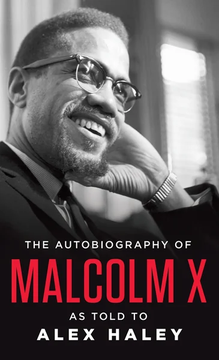
Malcolm X and Alex Haley
Best for: Readers — whether general or students of American history, civil rights, religion, or autobiography as a literary form — who want to encounter Malcolm X's philosophy, his break with the Nation of Islam, and the arc of his thinking in his own constructed voice rather than through a secondary account.
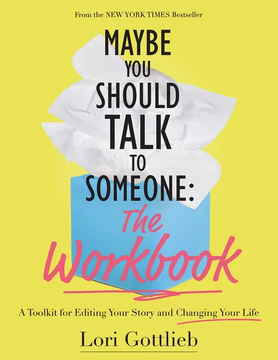
Lori Gottlieb
Best for: Readers who loved and heavily annotated the original Maybe You Should Talk to Someone memoir and want a structured, narrative-driven workbook to actively apply its therapeutic concepts — particularly those drawn to journaling-style self-reflection, book clubs, or therapists seeking a supplemental client resource.
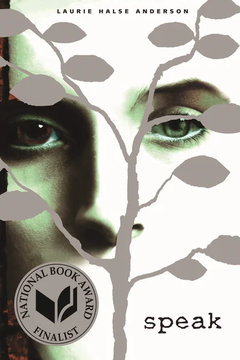
Laurie Halse Anderson
Best for: Young readers aged 12 and up — particularly those in grades 7–9 — navigating questions of consent, identity, and self-expression, as well as adults who want to understand why this novel has held such a singular place in YA literature for over two decades.
Daniel J. Siegel and Tina Payne Bryson
Best for: Parents and caregivers — especially those without a secure attachment background themselves — who want a neuroscience-grounded, conceptually clear framework for understanding how consistent emotional presence shapes a child's developing brain.
Matt Haig
Best for: Readers navigating depression, burnout, or a sense of paths not taken who want an emotionally accessible speculative novel that literalises regret and the case for living — without demanding hard SF rigour or tonal darkness.
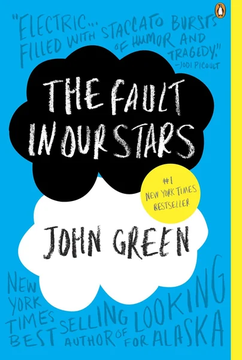
John Green
Best for: Readers aged 14 and up — and well beyond — who want a love story that takes mortality seriously, written with sharp wit and genuine literary intelligence rather than sentimental softening.
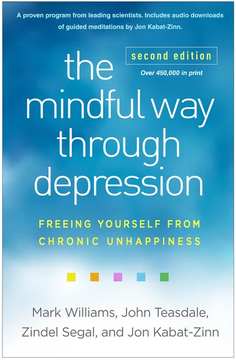
Mark Williams, John Teasdale, Zindel Segal, Jon Kabat-Zinn
Best for: People who have cycled through depression multiple times, have already received treatment, and are looking for a methodical, evidence-grounded self-help program to reduce the risk of relapse — particularly those open to integrating mindfulness practice into daily life.
