

9 min read
4.6
· 163,978 Amazon ratingsFeatured In
Share This Review
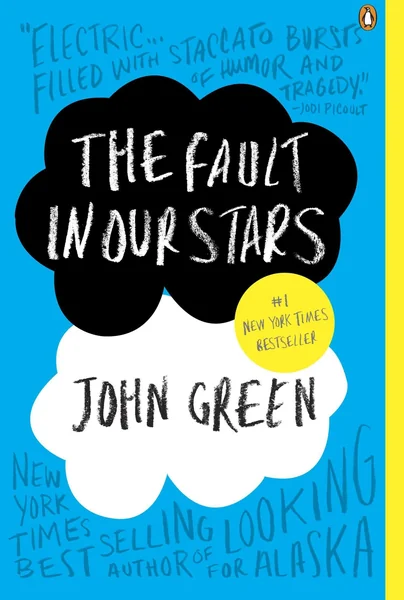
The Fault in Our Stars by John Green Review: A Gutting, Generation-Defining YA Novel
Originally published on January 10, 2012, and later reissued in a Penguin Books paperback edition, The Fault in Our Stars is John Green's fourth solo novel — a young adult love story between two teenagers living under the shadow of cancer that became one of the best-selling books of all time and cemented Green's place at the top of contemporary YA fiction.
LuvemBooks Verdict
Best for
Readers aged 14 and up — and well beyond — who want a love story that takes mortality seriously, written with sharp wit and genuine literary intelligence rather than sentimental softening.
Worth it if
You can accept a story that earns its emotional weight honestly, holding dark subject matter and genuine comedy in the same breath without flinching from the ending that premise demands.
Skip if
You're looking for consolation or a triumphant resolution — this novel is deliberately faithful to the realities of terminal illness, and readers hoping love will rewrite the outcome will find its refusal to do so a genuinely hard experience.
What readers & critics say
Kirkus Reviews awarded it a "Get It" verdict, praising how Green "seamlessly bridges the gap between the present and the existential" with razor-sharp characters brimming with "genuine intellect, humor and desire," while Bookmarks synthesises wider critical consensus that the novel is "smart, witty, profoundly sad, and full of questions worth asking." A Guardian reader review found it not merely amazing but "heart-breaking," noting that Green wrote "an incredibly inspiring book" about making the most of finite time.
“Green seamlessly bridges the gap between the present and the existential — readers will need more than one box of tissues.”
— Kirkus Reviews“It was heart-breaking — a girl trying not to fall in love because she knew she would eventually die and leave the one she loved behind.”
— The GuardianAge & Reading Level
Recommended age
Ages 12–18
Reading level
Young adult
2 content notes · who it suits
Content to know about
Best for: Ages 14+ — the novel's sustained engagement with terminal illness, mortality, and a deliberately unresolved ending suits readers mature enough to process grief without a comforting resolution.
Skip if you need a story that offers hope or resolution as its final emotional note.
The Fault in Our Stars by John Green is Trending
The Fault in Our Stars Is Back in Readers' Hands — Here's Why
John Green's iconic YA tearjerker is getting fresh attention right now, likely fueled by renewed interest in Green himself and ongoing conversations about the book's legacy. It's one of those stories that never really goes away — and right now, people are clearly picking it back up.
The Fault in Our Stars has been popping up in reader conversations again lately, and it seems tied to renewed buzz around John Green as an author. Wikipedia activity around both Green and the novel has spiked in the past couple of weeks, suggesting people are digging back into his catalog and his story.
Part of what keeps this book circulating is how much it meant to a generation of readers — and how that generation is now older and sharing it with younger siblings, friends, or even revisiting it themselves. The book's themes around illness, love, and living fully don't age out of relevance, and Green has always had a vocal, loyal fanbase that keeps his work alive online.
If you've never read it, now is as good a time as any. It's a fast, emotional read that lives up to its reputation — just maybe don't plan anything important for the afternoon you finish it.
In This Review
- What Works & What Doesn't
- What the Novel Is and What It Does
- Origins and Cultural Significance
- Craft and Voice
- Where the Novel Challenges Its Readers
- Who This Book Is For
What Works & What Doesn't
What Works
- Hazel Grace Lancaster's narration is praised by major critics, including critical coverage, for its finely wrought language and distinctive voice
- Tonal balance between dark subject matter and genuine humor — described by USA Today as an 'elegiac comedy' — gives the novel unusual range
- Grounded in real biographical experience: Green drew on his work as a student chaplain and dedicated the book to a friend who died of cancer at 16
- A global cultural phenomenon — one of the best-selling books of all time — that also inspired major film adaptations, reflecting the breadth of its emotional resonance
- Augustus Waters and Hazel's relationship is built around literature and ideas, giving the love story intellectual as well as emotional depth
What Doesn't
- The ending, faithful to the realities of terminal illness, withholds the resolution readers spend the novel hoping for — an intentional but genuinely hard experience for emotionally invested readers
- The novel's wit and philosophical register can set expectations for a certain kind of precocious teenage voice that will not suit every reader's taste
What the Novel Is and What It Does
Origins and Cultural Significance
Craft and Voice
Where the Novel Challenges Its Readers
Who This Book Is For
Frequently Asked Questions
Sources & Further Reading
The key facts and claims in this review are grounded in the retrieved, verified sources listed below.
- Cited in this review
- 1
en.wikipedia.org
- 2
- Further reading
- 3
John Green, Wikipedia
- 4
- 5
readerpants.net
- 6
thatartsyreadergirl.com
- 7
seattlepi.com
- 8
createdtoread.com
- 9
penguinrandomhouse.com
- 10
barnesandnoble.com
Related Reviews
Reviews of books we picked for readers who enjoyed The Fault in Our Stars.

Reader Comments
No comments yet
Be the first to share your thoughts!