8 min read
Share This Review
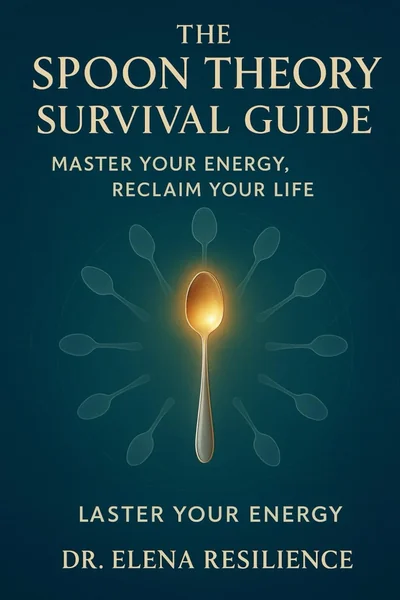
The Spoon Theory Survival Guide by Dr. Elena Resilience Review: A Structured Planner for Chronic Illness Energy
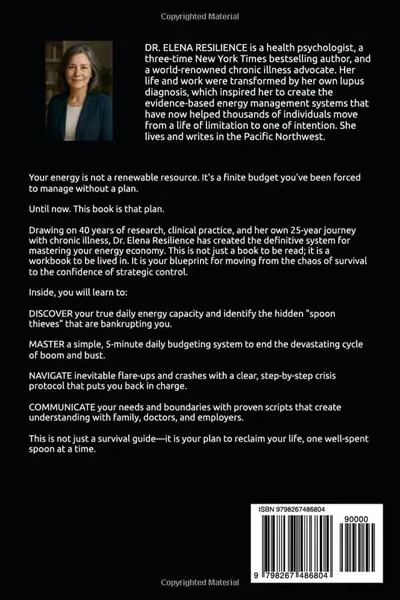
The Spoon Theory Survival Guide: A Comprehensive Daily Planning System for Chronic Illness Energy Management by Dr. Elena Resilience applies the widely recognized spoon theory metaphor to a structured daily planning framework designed for people living with chronic illness, disability, or fluctuating energy levels. The guide is built around the core premise that energy — represented as "spoons" — is finite for those with chronic conditions, and that intentional planning is essential to navigating daily life. While the verified record about this specific title is limited, the book's stated purpose and subject matter address a genuine and underserved need in the chronic illness community.
 Tap to enlarge
LuvemBooks Verdict
Best for
People living with chronic illness, disability, or variable energy levels who want a structured, named framework — rooted in spoon theory — to organize their daily lives and communicate their energy limitations to caregivers, family, or support networks.
Worth it if
The planning system inside proves genuinely developed and adaptable, moving meaningfully beyond explaining the spoon theory metaphor into practical, individualized tools for daily energy tracking, allocation, and prioritization.
Skip if
Readers already deeply familiar with spoon theory and settled into their own energy management routines may find the foundational framework covers ground they have long since mapped for themselves.
What readers & critics say
No dedicated critical reviews of this specific title were retrieved. The retrieved sources speak broadly and supportively to spoon theory as a framework: NCHPAD notes its power for helping people with chronic fatigue and pain plan and prioritize daily tasks and discover what works for their individual body and energy levels, while gipsychology.com highlights how the metaphor gives people with chronic illness a vivid, relatable way to explain daily energy calculations to family, caregivers, and support networks.
Sources: NCHPAD, GI PsychologyAsk LuvemBooks
Was this helpful?
- Is it worth reading?
- For readers living with chronic illness, disability, or variable energy levels who want a structured, named framework for daily planning, The Spoon Theory Survival Guide addresses a genuine and underserved need — few dedicated planning resources have tackled energy management in the chronic illness community this directly. Its dual function as both a personal tool and a communication aid for articulating limitations to family, employers, or caregivers gives it practical value beyond self-help alone. The key caveat is that readers already deeply familiar with spoon theory and their own management strategies may find the foundational framework covers familiar ground, and the depth and adaptability of the interior system will significantly determine its real-world usefulness.
- Who should read this?
- The Spoon Theory Survival Guide is designed primarily for people living with chronic illness, disability, or fluctuating energy levels who are seeking a structured, named framework for organizing daily life. It is equally well-suited to those who want concrete language and tools to communicate their energy limitations to caregivers, family members, employers, or support networks. Readers new to spoon theory will benefit from the foundational framework presented in a practical context, while those already familiar with the concept will find a system built to operationalize it. Advocates, healthcare supporters, and allies seeking to understand the invisible energy costs of chronic illness will also find it a meaningful resource.
- Similar books
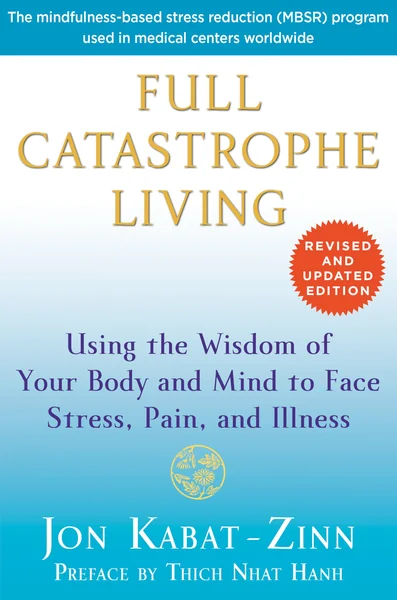
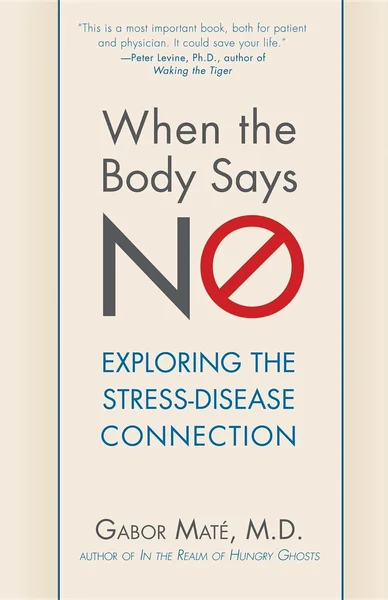
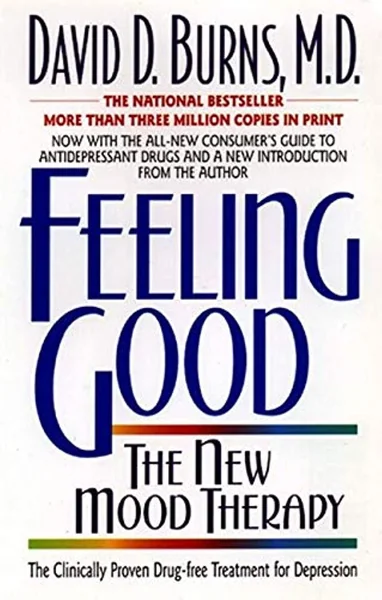
- Readers drawn to The Spoon Theory Survival Guide for its focus on the body-mind connection and managing illness will find resonant company in several titles. Jon Kabat-Zinn's Full Catastrophe Living: Using the Wisdom of Your Body and Mind to Face Stress, Pain, and Illness offers a mindfulness-based framework for living with chronic pain and stress. Gabor Maté M.D.'s When the Body Says No: Exploring the Stress-Disease Connection examines the deep links between stress, emotional repression, and chronic illness. For those interested in the psychological dimensions of managing long-term health challenges, David D. Burns' Feeling Good: Overcome Depression and Anxiety with Proven Techniques provides evidence-based cognitive tools, while Peter Attia MD's Outlive: The Science and Art of Longevity takes a rigorous look at optimizing long-term health and energy.
- What are the main themes?
- The central theme of The Spoon Theory Survival Guide is intentional energy management — the idea that for people with chronic illness, energy is a finite resource requiring deliberate allocation rather than an assumption of abundance. The book also foregrounds self-advocacy and communication, positioning the spoon theory framework as a tool for articulating invisible limitations to others, whether family, caregivers, or employers. A third thread is individualization: the system is designed to adapt to the reality that energy capacity varies significantly from person to person and day to day, resisting the one-size-fits-all prescriptions that often fail this community.
- How practical is the planning system?
- The book's stated design intent goes beyond explaining spoon theory into active application: tracking energy expenditure, allocating spoons to tasks, and building in planned rest periods throughout the day. This approach aligns with the recognized value of spoon theory as a planning and prioritization tool, as noted by organizations like NCHPAD. The system is framed around individual energy patterns rather than a rigid prescription, which is an important design consideration given how widely chronic illness conditions and daily capacity vary. However, the guide's real-world depth and adaptability will ultimately depend on how rigorously the interior system is developed — readers should evaluate how well it extends beyond the metaphor into actionable structure.
- How does this fit into the Spoonies community?
- The Spoon Theory Survival Guide positions itself squarely within the established tradition of the #Spoonies community — the large, active network of people with chronic illness and disability who use spoon theory as a shared language across social media platforms. Christine Miserandino's original metaphor has become one of the most resonant and widely adopted explanatory tools in the chronic illness and disability communities, and Dr. Elena Resilience's guide extends that shared language into a structured planning system. For a community that has long used the metaphor for both personal management and public communication, the guide offers a named, formalized framework that bridges the metaphor's conceptual power with day-to-day practical application.
Summarize this book
Follow up
Synthesized from verified book data & published reviews · How we review
Press Enter to ask. Answers come from our editorial Q&A — start typing to see related questions.
Age & Reading Level
Recommended age
Adult
Reading level
Adult
who it suits
Skip if you are looking for clinical or condition-specific medical guidance rather than a personal energy-management planning framework.
Our Review
What the Book Is and What It Sets Out to Do
The Framework It Draws From
Its Approach to Energy Planning
Genuine Limitations to Consider
Who This Guide Is For
Sources & Further Reading
The key facts and claims in this review are grounded in the retrieved, verified sources listed below.
- Cited in this review
- 1
- 2
- Further reading
- 3
Books like The Spoon Theory Survival Guide
Curated picks for readers who enjoyed The Spoon Theory Survival Guide, with our reasoning for each match.
If you liked The Spoon Theory Survival Guide