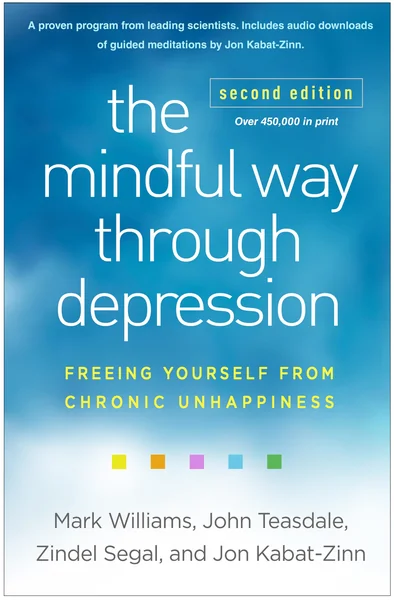
The Mindful Way through Depression: Freeing Yourself from Chronic Unhappiness
by Mark Williams and John Teasdale and Zindel Segal and Jon Kabat-Zinn
At a glance
About the Author
Mark Williams and John Teasdale and Zindel Segal and Jon Kabat-Zinn1 book reviewed
The Mindful Way through Depression
Freeing Yourself from Chronic Unhappiness
by Mark Williams and John Teasdale and Zindel Segal and Jon Kabat-Zinn
Ask LuvemBooks
Was this helpful?
- Is it worth reading?
- At 4.2/5, the reviewer considers it genuinely worth reading for the right audience. Its foundation in clinical research, the 'doing mode' versus 'being mode' distinction, and practical meditation instructions set it apart from typical mindfulness self-help. The main caveats are that it demands substantial daily commitment and is not designed for people in acute, severe depression — for them, professional treatment must come first.
- About Mark Williams and John Teasdale and Zindel Segal and Jon Kabat-Zinn
- The four co-authors are among the most influential researchers in mindfulness-based mental health. Mark Williams is a professor of clinical psychology at Oxford and a co-developer of MBCT. John Teasdale and Zindel Segal are similarly distinguished cognitive scientists who helped pioneer MBCT in clinical trials. Jon Kabat-Zinn founded the Mindfulness-Based Stress Reduction (MBSR) program at the University of Massachusetts and is best known for Full Catastrophe Living. Together they bring decades of peer-reviewed research to the book, resulting in writing that balances scientific authority with genuine compassion — notably avoiding both clinical coldness and pop-psychology enthusiasm.
- Similar books
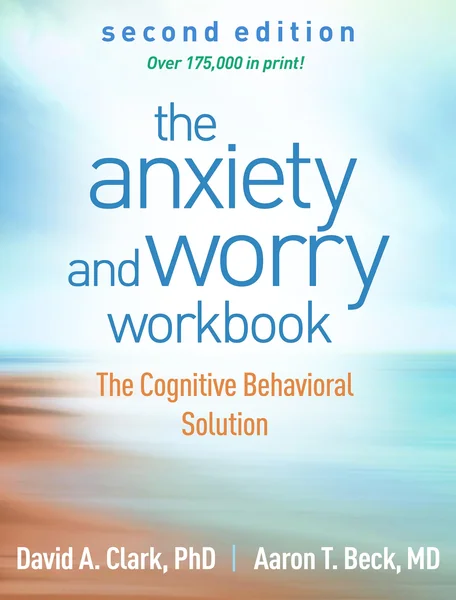
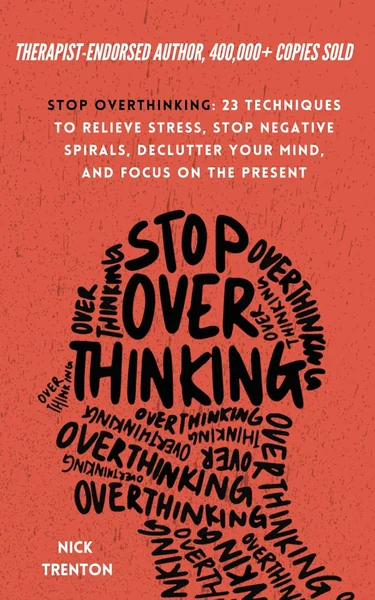
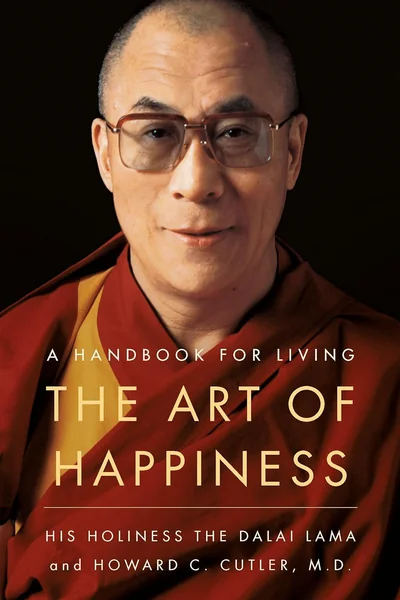
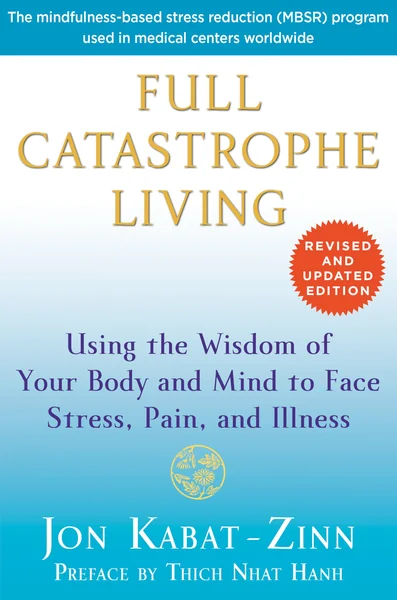
- If you want a more structured, exercise-driven version of the same program, The Mindful Way Workbook by John Teasdale, Mark Williams, and Zindel Segal is the natural companion. For a broader mindfulness foundation, Full Catastrophe Living by Jon Kabat-Zinn expands on the MBSR framework that underpins this book. Readers who prefer a cognitive-behavioral angle will find The Anxiety and Worry Workbook by David A. Clark and Aaron T. Beck highly compatible. Stop Overthinking by Nick Trenton covers rumination in a more accessible, less clinical style, and The Art of Happiness by the Dalai Lama offers a philosophical counterpart rooted in Buddhist tradition rather than clinical research.
- Who should read this?
- The reviewer identifies the ideal reader as someone experiencing mild to moderate depression, or anyone prone to rumination and chronic worry. It's particularly valuable for people who've found traditional cognitive approaches helpful but incomplete — the blend of Buddhist-derived meditation with clinical cognitive therapy adds depth that neither tradition offers alone. People in severe, active depression should use it only alongside a therapist familiar with MBCT, not as a standalone solution.
- What are the main themes?
- The central theme is the shift from 'doing mode' — the mind's instinct to problem-solve its way out of depression — to 'being mode,' which involves observing thoughts without engaging them. The book also explores how rumination perpetuates depressive cycles, the counterintuitive value of not fighting negative thoughts, and the integration of Buddhist meditation practice with Western cognitive science. A quieter theme is honest self-compassion: the authors never promise an easy fix and explicitly acknowledge the program's limits.
- Can this replace therapy?
- No — and the authors say so, though the reviewer notes this caveat should be more prominent. The program is designed for people already in remission or experiencing mild-to-moderate symptoms, not as a substitute for professional care during a severe episode. For best results, the reviewer recommends using it alongside a therapist who is familiar with MBCT, especially for anyone with a history of serious depressive episodes.
Summarize this book
Follow up
Synthesized from verified book data & published reviews · How we review
Press Enter to ask. Answers come from our editorial Q&A — start typing to see related questions.
Age & Reading Level
Recommended age
Adult
Reading level
Adult
2 content notes · who it suits
Content to know about
Best for: Adults — clinical subject matter around depression and cognitive patterns; not suitable as a primary resource during a severe depressive episode without professional support.
Skip if you're looking for a quick, motivational read or want broad lifestyle advice rather than a structured, time-intensive therapeutic program.
Editorial Review
A scientifically grounded approach to breaking depressive cycles through mindfulness, offering practical tools for chronic unhappiness but requiring significant commitment and best suited for mild to moderate depression.
Read the Full ReviewBooks like The Mindful Way through Depression
Curated picks for readers who enjoyed The Mindful Way through Depression, with our reasoning for each match.
If you liked The Mindful Way through Depression