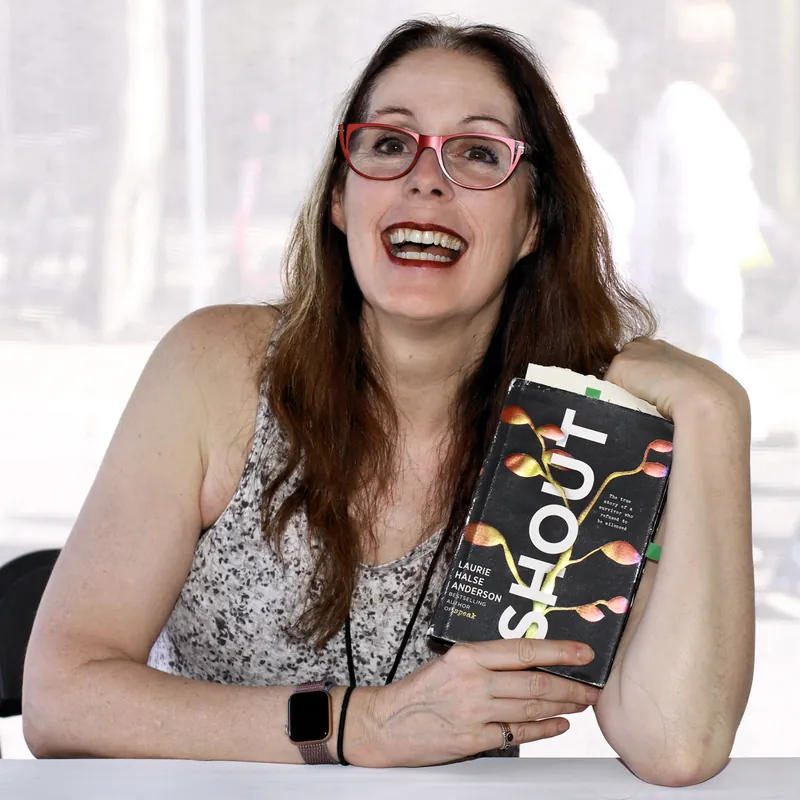
Her father's advice on book censorship
Anderson recalls that her father advised her to write thank-you notes to anyone attempting to censor her work, pointing out that challenges generate free publicity and sales.

8 min read
4.6
· 11,079 Amazon ratings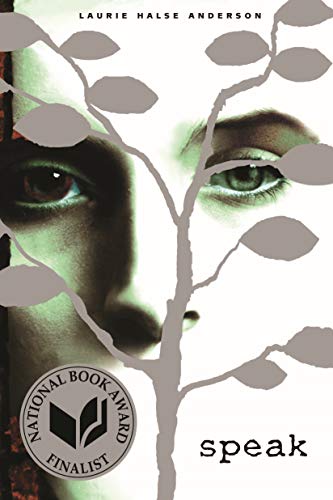
Our review
Speak by Laurie Halse Anderson Review: A Landmark YA Novel on Trauma and Voice
First published in 1999, Laurie Halse Anderson's Speak is a National Book Award Finalist and Michael L. Printz Honor Book that has sold more than 3.5 million copies and been translated into 35 languages — a genuine modern classic of young adult literature, and one of the most decorated and widely taught novels in its genre.
Best for
Young readers aged 12 and up — particularly those in grades 7–9 — navigating questions of consent, identity, and self-expression, as well as adults who want to understand why this novel has held such a singular place in YA literature for over two decades.
Worth it if
You value literary craft alongside emotional honesty and want a novel that takes both its protagonist and its subject — rape, survivor guilt, and the slow reclamation of identity — with complete seriousness and zero sentimentality.
Skip if
Readers or parents seeking a gentler introduction to themes of adolescent trauma should be aware that the novel's unflinching portrayal of sexual assault, depression, and social ostracism is genuinely demanding, and its fragmented, nonlinear diary structure will frustrate those who prefer a conventional narrative arc.
What readers & critics say
Kirkus Reviews calls it "a frightening and sobering look at the cruelty and viciousness that pervade much of contemporary high school life, as real as today's headlines," praising its gripping plot and powerfully drawn characters. Common Sense Media describes it as "one of the most devastatingly true and painful portrayals of high school to come along in a long time," highlighting Melinda's realistic and compelling healing process.
“A frightening and sobering look at the cruelty and viciousness that pervade much of contemporary high school life, as real as today's headlines.”
— kirkusreviews.com“One of the most devastatingly true and painful portrayals of high school to come along in a long time.”
— commonsensemedia.orgWas this helpful?
Summarize this book
Follow up
Synthesized from verified book data & published reviews · How we review
Answers come from our editorial notes on this book. If we haven't covered something, we'll say so.
Readers often ask
This review covers the book's content, premise and published critical reception, not a first-hand reading.

The key facts and claims in this review are grounded in the retrieved, verified sources listed below.
us.macmillan.com
thepigeonpress.org
Laurie Halse Anderson, LuvemBooks
en.wikipedia.org
frappesandfiction.com
yabookscentral.com
Recommended age
Ages 12–15
Reading level
Young adult
4 content notes · who it suits
Content to know about
Best for: Ages 12+ — the novel deals directly with the aftermath of rape, depression, and social ostracism; commonly taught in grades 7–9, but individual readiness should be considered for younger or more sensitive readers.
Skip if you're looking for a gentle or hopeful coming-of-age story — Speak is unflinching about trauma and does not soften its subject matter.
Laurie Halse Anderson discusses her poetic memoir 'Shout' and the 20th anniversary and frequent censorship of her breakout novel 'Speak'.
Uploaded by Salon, 2019 · Watch on YouTube
Anderson recalls that her father advised her to write thank-you notes to anyone attempting to censor her work, pointing out that challenges generate free publicity and sales.
Anderson says she came to understand that parents who try to censor books like Speak are often acting out of fear and looking to avoid awkward conversations with their kids.
Be one of the first readers to answer.
Read it? Was it right for you?
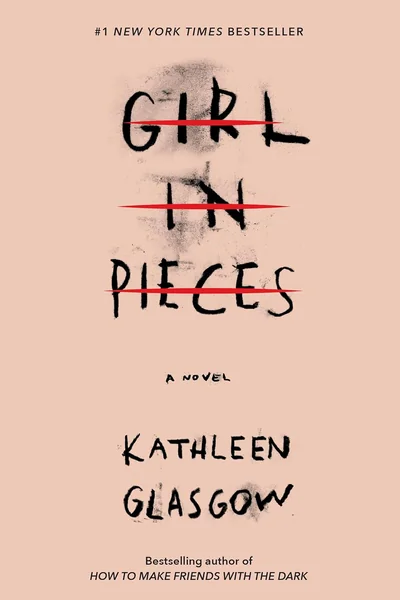
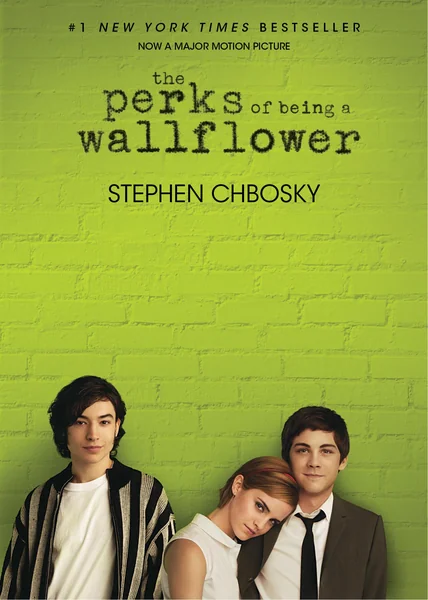
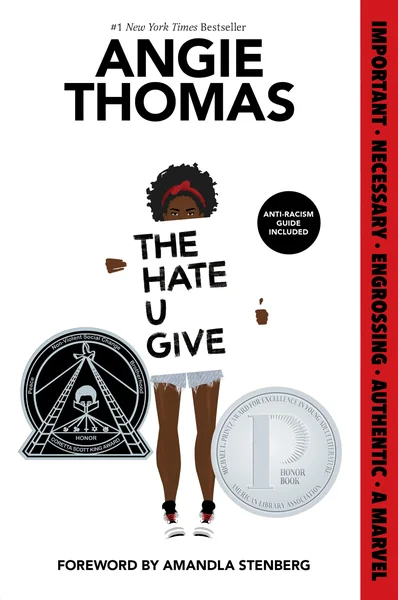
Curated picks for readers who enjoyed Speak, with our reasoning for each match.
More by Laurie Halse Anderson
If you liked Speak