

8 min read
4.4
· 286,542 Amazon ratingsFeatured In
Share This Review
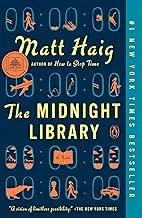
The Midnight Library by Matt Haig Review: A Thought-Provoking but Gentle Multiverse Fable
Matt Haig's speculative novel The Midnight Library follows Nora Seed through a liminal space between life and death where every unchosen path becomes a door — a richly imaginative premise that earned strong sales and generally positive critical reception, though some critics found its emotional resolution more comforting than challenging.
LuvemBooks Verdict
Best for
Readers navigating depression, burnout, or a sense of paths not taken who want an emotionally accessible speculative novel that literalises regret and the case for living — without demanding hard SF rigour or tonal darkness.
Worth it if
The episodic, conceit-driven structure appeals and you want a novel that makes the internal logic of despair inhabitable and then interrogatable through fantasy architecture rather than clinical realism.
Skip if
You need a protagonist who drives events, are allergic to moral resolutions that feel tidily life-affirming, or find episodic repetition (enter life, uncover hidden cost, exit) wearing before a novel earns its ending.
What readers & critics say
NPR's Jason Sheehan praised the novel's warmth and its imaginative central conceit while noting it is "a little too gentle and straightforward," and observed that Nora's structural passivity can make identification difficult across the episodic middle. Kirkus Reviews returned a positive verdict — flagging it as a "GET IT" title — describing it as a whimsical fantasy about learning what is important in life, a verdict broadly in line with the generally positive critical reception summarised by Wikipedia, which also noted that some critics found the novel's reflections on life occasionally overly simplistic.
“A little too gentle and straightforward — but warm, accessible, and imaginatively conceived.”
— NPR“A whimsical fantasy about learning what's important in life.”
— Kirkus ReviewsAge & Reading Level
Recommended age
Ages 16+
Reading level
Adult
4 content notes · who it suits
Content to know about
Best for: Adults / mature 16+ — the novel's central subject matter is suicide, suicidal ideation, and depression throughout
Skip if you want a protagonist who actively drives events and moral complexity that remains genuinely unresolved
The Midnight Library by Matt Haig is Trending
Florence Pugh Attached to Star in The Midnight Library Netflix Adaptation
A film version of The Midnight Library is in active development, with Florence Pugh signed on to star and produce. The project launched at Cannes and is being developed through Studiocanal and Blueprint Pictures, giving the beloved novel a major new moment in the spotlight.
If you've been hearing a lot about The Midnight Library lately, the Florence Pugh news is the reason. Pugh is attached to star in and produce the film adaptation of Matt Haig's novel, which is being developed by Studiocanal and Blueprint Pictures. The project made its splash at Cannes, and a Netflix connection has also been reported, with producer Greg Brenman involved — though some key creative roles like director and screenwriter are still being finalized.
That's a lot of momentum for a book that's already had a strong run. The Midnight Library won the Goodreads Choice Award and was a Sunday Times number-one bestseller, so it already had a devoted readership. Adding a high-profile star like Pugh brings it to a whole new audience — the kind of people who'll want to read the book before the movie arrives.
There's also a bit of extra Haig energy in the air right now: his spiritual follow-up to The Midnight Library, called The Midnight Train, came out in May 2026, which means fans of the original have fresh reasons to revisit Nora Seed's story. If you've been sitting on this one, now's a pretty good time to finally pick it up.
In This Review
- What Works & What Doesn't
- What the Novel Is and What It Does
- The Alternate Lives: Structure and Scope
- Significance and Reception
- What the Novel Does Well
- Genuine Limitations and Who May Be Frustrated
What Works & What Doesn't
What Works
- Richly imaginative central conceit — the library as a liminal space housing every unlived life — gives the novel a distinctive and memorable architecture
- Handles depression and suicidal ideation with acknowledged accessibility, making difficult subject matter broadly approachable
- Strong commercial and critical reception: over 733,000 UK copies sold by September 2023 and generally positive reviews from major outlets
- Each alternate life (rock stardom, Olympic swimming, glaciology, academia) is grounded in specific consequences, avoiding vague wish-fulfillment
- Mrs. Elm as a guiding figure rooted in Nora's real past adds emotional grounding to the novel's fantastical framework
What Doesn't
- The episodic structure — enter life, discover hidden cost, exit — follows a predictable rhythm that published reviews cautioned can feel taxing for patient readers
- NPR's critic noted that Nora's lack of a clear active want for much of the novel makes her a difficult protagonist to fully identify with
- Critics observed that some of the novel's reflections on life risk feeling overly simplistic
What the Novel Is and What It Does
The Alternate Lives: Structure and Scope
Significance and Reception
What the Novel Does Well
Genuine Limitations and Who May Be Frustrated
Frequently Asked Questions
Sources & Further Reading
The key facts and claims in this review are grounded in the retrieved, verified sources listed below.
- Cited in this review
- 1
en.wikipedia.org
- 2
- Further reading
- 3
Matt Haig, Wikipedia
- 4
- 5
matthaig.com
- 6
- 7
booksummaryinsight.com
- 8
- 9
lindasbookbag.com
- 10
- 11
americanliteraryreview.com
- 12
Related Reviews
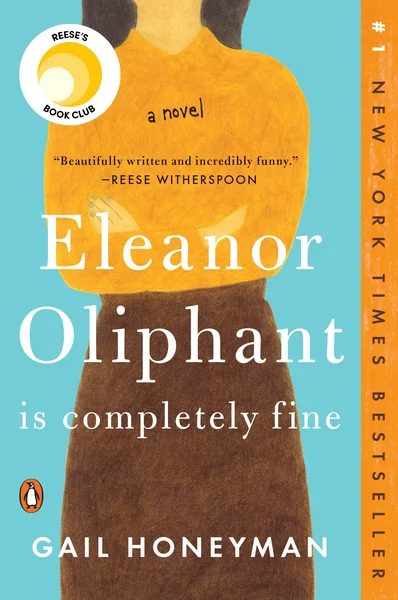
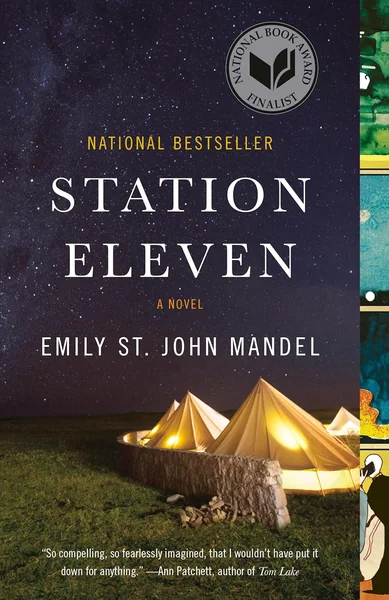
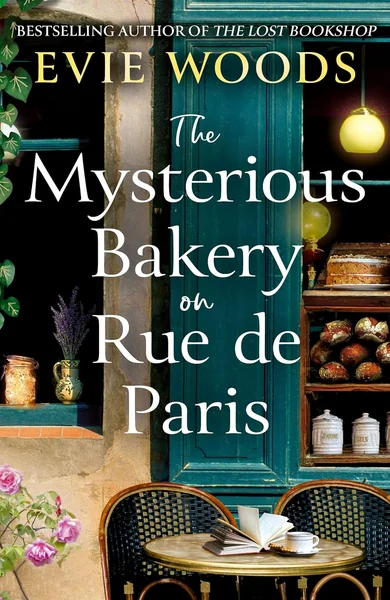
Reviews of books we picked for readers who enjoyed The Midnight Library.
Reader Comments
No comments yet
Be the first to share your thoughts!