8 min read
4.7
· 11,358 Amazon ratingsShare This Review
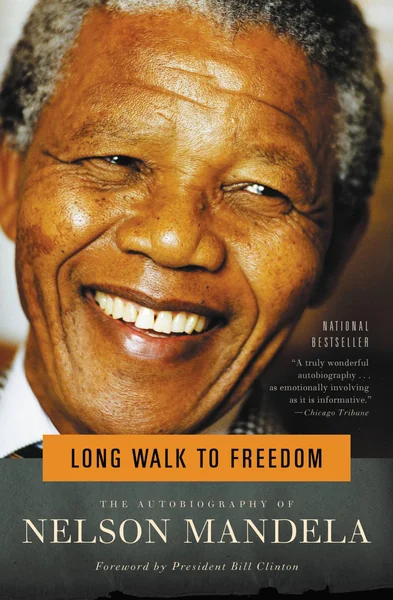
Long Walk to Freedom by Nelson Mandela Review: A Monumental Autobiography of Enduring Moral Force
Nelson Mandela's Long Walk to Freedom is a landmark autobiography tracing his journey from a childhood rooted in the royal Thembu dynasty, through 27 years of imprisonment under apartheid, to his election as South Africa's first democratically elected president — a record praised by Kirkus Reviews as "the work of a man who has led by action and example."
LuvemBooks Verdict
Best for
Readers drawn to political memoir, African history, or the moral architecture of transformative leadership who want a first-person account of apartheid resistance, the Rivonia Trial, and the negotiations that dismantled apartheid — told by the movement's most prominent figure.
Worth it if
Worth reading if you want an unparalleled first-person record of one of the twentieth century's most consequential lives, from Xhosa boyhood through 27 years of imprisonment to the presidency — a rare political autobiography that functions equally as human story and historical document.
Skip if
Skip, or supplement with other sources, if you're primarily seeking an equally candid and nuanced account of Mandela's presidential years, since critics have noted the post-1990 chapters are handled with less depth and candor than the prison-forged earlier sections.
What readers & critics say
Kirkus Reviews praised the memoir as "remarkably free of polemics, self-pity, and self-aggrandizement," calling it the work of a man who has led by example. Publishers Weekly, while finding the book a fluid and graceful memoir, observed that it "covers the period since Mandela's 1990 release with less nuance and candor than other recent accounts."
“This memoir is remarkably free of polemics, self-pity, and self-aggrandizement — the work of a man who has led by example.”
— Kirkus Reviews“This fluid memoir matches Mandela's stately grace with wise reflection on his life and the freedom struggle that defined it.”
— Publishers WeeklyAsk LuvemBooks
Was this helpful?
- Is it worth reading?
- For anyone interested in twentieth-century political history, the mechanics of resistance movements, or the personal cost of principled conviction, Long Walk to Freedom is essential reading — President Barack Obama called it "essential reading for anyone who wants to understand history – and then go out and change it." Its critical reception is exceptional: Kirkus Reviews praised its freedom from polemics and self-aggrandizement, while critics noted it is one of the few 500-plus-page political memoirs that reads as a page-turner. The honest caveat is that the post-1990 sections are less searching than the prison-era chapters, and readers seeking a candid account of Mandela's presidential years may want to supplement with Dare Not Linger: The Presidential Years.
- Similar books
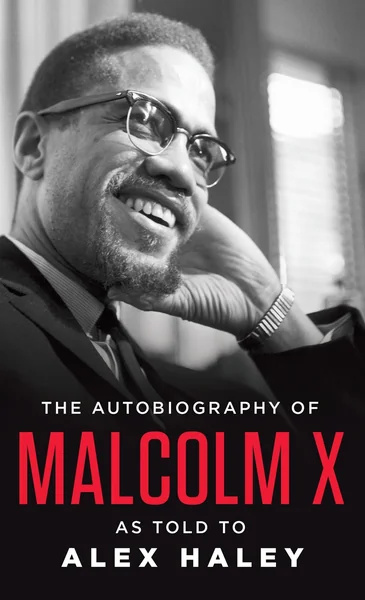
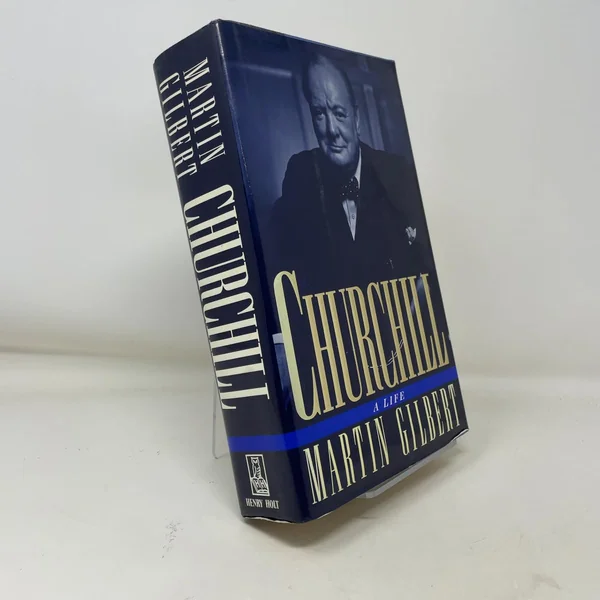
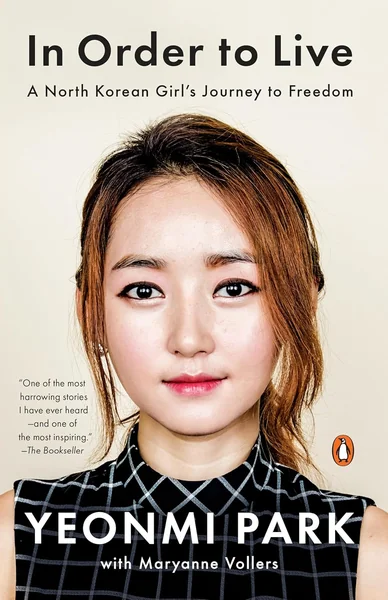
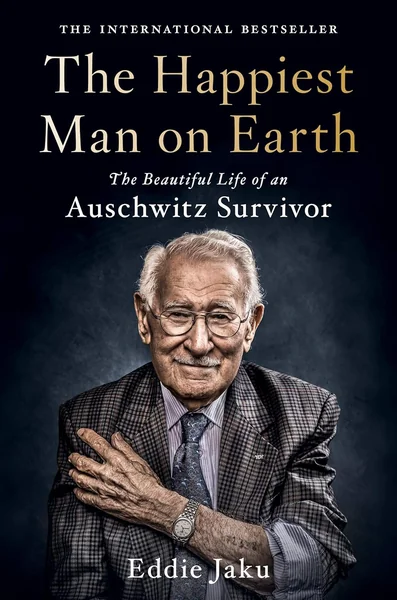
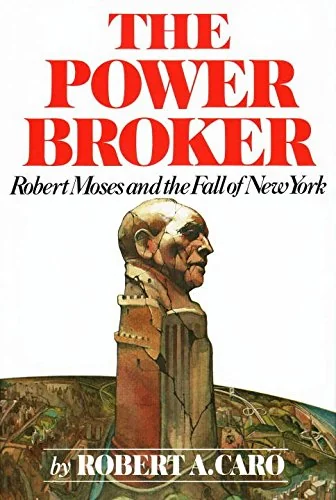
- Readers drawn to Long Walk to Freedom will find strong parallels in The Autobiography of Malcolm X by Malcolm X and Alex Haley, another landmark first-person account of a political life shaped by racial injustice and resistance. For political biography on a similarly epic scale, Churchill: A Life by Martin Gilbert and Master of the Senate by Robert A. Caro offer deeply researched portraits of transformative leaders. Those drawn to survival memoir and accounts of oppressive regimes may also find In Order to Live by Yeonmi Park and Maryanne Vollers resonant, while The Happiest Man on Earth by Eddie Jaku provides a complementary perspective on endurance and human dignity under historical persecution.
- Who should read this?
- Long Walk to Freedom is essential reading for anyone interested in twentieth-century political history, the anti-apartheid movement, or the personal architecture of transformative leadership. It works equally well as a political document and as a human story — its structure, moving from Mandela's Xhosa boyhood and traditional culture through legal activism, armed resistance, imprisonment, and governance, makes it accessible to readers drawn to memoir as a form, to African history, or to moral philosophy in practice. Readers seeking an intimate account of how resistance movements are actually built — from the ANC's formation to the founding of Umkhonto We Sizwe — will find it uniquely authoritative.
- About Nelson Mandela
- From anti-apartheid revolutionary to Nobel Peace Prize winner and South Africa's first Black president, Nelson Mandela transformed from political prisoner to global icon of reconciliation and human dignity.
- Tell me about the adaptation
- Long Walk to Freedom inspired the major motion picture Mandela: Long Walk to Freedom, which brought Mandela's story to a global cinematic audience. The film extends the autobiography's reach beyond the page, though as with most adaptations of a 500-plus-page memoir, the book's sustained first-person reflection — particularly the prison-era chapters begun by Mandela himself in 1975 — offers a depth of interiority that the film cannot fully replicate.
- What are the main themes?
- The autobiography's central themes are resistance and the personal cost of political conviction, the moral architecture of transformative leadership, and the tension between cultural identity and political modernity. Mandela's grounding of his Xhosa upbringing — including his respect for the royal Thembu dynasty and traditional culture — alongside his commitment to multiracial democracy gives the book its distinctive texture. A passage Mandela wrote about his early formation captures a core theme directly: "Democracy meant all men to be heard, and the decision was taken together as a people."
Summarize this book
Follow up
Synthesized from verified book data & published reviews · How we review
Press Enter to ask. Answers come from our editorial Q&A — start typing to see related questions.
Age & Reading Level
Recommended age
Ages 16+
Reading level
Adult
3 content notes · who it suits
Content to know about
Best for: Adults / mature 16+ — the book engages with systemic racial oppression, political violence, armed resistance, and 27 years of imprisonment at a level of historical and moral complexity best suited to older readers.
Skip if you are looking for an equally candid and detailed account of Mandela's presidential years — the post-1990 sections are notably less searching than the earlier chapters.
Our Review
What the Book Is and What It Covers
Historical Significance and Place in the Canon
Strengths: Voice, Moral Clarity, and Narrative Range
A Notable Limitation: Uneven Depth in Its Final Sections
Who This Book Is For
Sources & Further Reading
The key facts and claims in this review are grounded in the retrieved, verified sources listed below.
- Cited in this review
- 1
publishersweekly.com
- 2
en.wikipedia.org
- Further reading
- 3
- 4
hachettebookgroup.com
- 5
kirkusreviews.com
- 6
literatibookstore.com
- 7
- 8
journalofdemocracy.org
- 9
- 10
mcgoodwin.net
- 11
Books like Long Walk to Freedom
Curated picks for readers who enjoyed Long Walk to Freedom, with our reasoning for each match.
If you liked Long Walk to Freedom