

8 min read
4.8
· 84,118 Amazon ratingsFeatured In
Share This Review
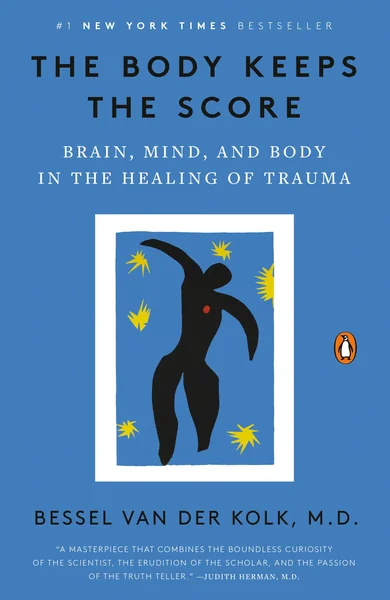
The Body Keeps the Score by Bessel van der Kolk Review: Landmark Trauma Science With Real Caveats
Bessel van der Kolk's The Body Keeps the Score is a widely-read popular science book on psychological trauma that has earned both broad acclaim and substantive scholarly criticism — essential reading for anyone seeking to understand trauma's reach, but one that deserves to be approached alongside current evidence-based literature.
LuvemBooks Verdict
Best for
Readers — whether lay or clinical — seeking an accessible, narrative-driven introduction to the idea that trauma reshapes the body and brain, and who want a broad survey of treatment approaches including EMDR, yoga, and limbic system therapy.
Worth it if
Worth reading if you are approaching it as a gateway text or map of lived experience rather than a definitive clinical reference, and are willing to supplement it with more recent peer-reviewed literature.
Skip if
Skip it as a standalone clinical guide if you need a reliable summary of the current evidence base — the book has been documented as misrepresenting research conclusions, discouraging well-evidenced CBT, and relying on outmoded studies.
What readers & critics say
According to Wikipedia, the book became a bestseller for many years, has been published in 36 languages, and a 2024 Financial Times article described it as "an improbable" phenomenon — yet that same Wikipedia summary documents consistent scholarly criticism for misrepresenting research conclusions, using outmoded research, and discouraging well-supported treatments such as CBT. A review archived on sb.rfpa.org captures the tension neatly, describing the book as simultaneously "one of the most intriguing, informative, and compelling reads" and "a very dangerous book."
Sources: Wikipedia, sb.rfpa.orgAge & Reading Level
Recommended age
Adult
Reading level
Adult
4 content notes · who it suits
Content to know about
Skip if you want a hopeful self-help narrative with clear, evidence-based treatment recommendations rather than a contested science survey
In This Review
- What Works & What Doesn't
- What the Book Is and What It Argues
- Cultural Reach and Reception
- Strengths: Scope, Accessibility, and Clinical Narrative
- Scholarly Criticism and Scientific Limitations
- Who This Book Is For — and How to Read It
What Works & What Doesn't
What Works
- A rare work of science communication that brought the neurobiology of trauma to a mainstream audience, earning a starred review and translation into 36 languages
- Combines clinical patient histories with neuroscience and attachment theory, giving readers both conceptual frameworks and human context
- Covers a wide spectrum of proposed interventions — including EMDR, yoga, and limbic system therapy — making it a broad survey of trauma treatment approaches
- Rooted in van der Kolk's decades of direct clinical research and practice, offering the perspective of a long-serving practitioner in the field
What Doesn't
- Documented scholarly criticism for misrepresenting research conclusions, citing studies that do not support its claims, and relying on outmoded research — concerns raised in multiple academic contexts including a 2023 editorial in Research on Social Work Practice
- Actively discourages readers from pursuing cognitive behavioural therapy (CBT), a well-supported evidence-based treatment for trauma, which is a significant limitation for readers seeking clinical guidance
- Its foundational 1994 source article was critiqued in detail by psychologist Richard McNally, who concluded the underlying theory was one 'in search of a phenomenon'
What the Book Is and What It Argues
Cultural Reach and Reception
Strengths: Scope, Accessibility, and Clinical Narrative
Scholarly Criticism and Scientific Limitations
Who This Book Is For — and How to Read It
Frequently Asked Questions
Sources & Further Reading
The key facts and claims in this review are grounded in the retrieved, verified sources listed below.
- Cited in this review
- 1
en.wikipedia.org
- 2
- Further reading
- 3
Bessel van der Kolk, Wikipedia
- 4
- 5
besselvanderkolk.com
- 6
- 7
psychotherapy.net
Related Reviews
Reviews of books we picked for readers who enjoyed The Body Keeps the Score.

Reader Comments
No comments yet
Be the first to share your thoughts!