


8 min read
4.6
· 11,847 Amazon ratingsShare This Review
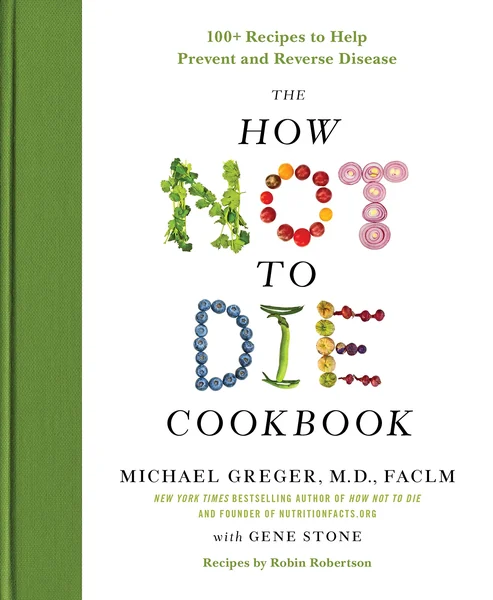
The How Not to Die Cookbook by Michael Greger and Gene Stone Review: A Science-Backed Plant-Based Kitchen Companion
Published by Flatiron Books in December 2017, The How Not to Die Cookbook is the practical, recipe-driven follow-up to Michael Greger's New York Times bestselling book How Not to Die, delivering more than 120 plant-based recipes for meals, snacks, and beverages designed to help prevent and reverse disease — grounded in Greger's Daily Dozen framework and intended for health-conscious home cooks ready to put science-backed nutrition into action.
 Tap to enlarge
LuvemBooks Verdict
Best for
Readers of Michael Greger's How Not to Die who want a structured, science-backed recipe companion to put its whole-food, plant-based dietary recommendations into daily practice.
Worth it if
You are committed to — or actively moving toward — a whole-food, plant-based diet and want your cooking organised around a repeatable, physician-designed daily framework rather than culinary trends or cuisine categories.
Skip if
You want a broad, all-purpose cookbook that works alongside a conventional or omnivore diet, or if culinary creativity and flavour-first cooking matter more to you than a clinical, disease-prevention structure.
What readers & critics say
Publisher descriptions retrieved via Porchlight Books and Barnes & Noble position the book as a "beautifully-designed, comprehensive cookbook" with more than 120 plant-based recipes and frame it as an ideal gift for health-conscious eaters. Reader comments retrieved from Walmart note that practical items such as overnight oatmeal, breakfast bites, and smoothies have become regular staples, with reviewers describing easy-to-follow recipes and accessible new tastes for the whole family. A snippet retrieved via books.google.com, citing the Daily Mail, characterises it as "a lavish, beautifully illustrated cookbook full of delicious recipes based on the groundbreaking nutritional science of the original book."
Sources: Porchlight Books, Walmart Reviews, Barnes & Noble, Google BooksAge & Reading Level
Recommended age
Adult
Reading level
Adult
who it suits
Skip if you want an all-purpose or omnivore-friendly cookbook where culinary creativity and flavour exploration take centre stage.
In This Review
- What Works & What Doesn't
- What the Book Is and What It Sets Out to Do
- Its Place in the Plant-Based Cookbook Landscape
- Strengths: Structure, Scope, and the Daily Dozen Framework
- Honest Limitations: Audience Fit and Dietary Scope
- Who This Book Is Genuinely For
What Works & What Doesn't
What Works
- Directly extends Michael Greger's New York Times bestselling How Not to Die into practical daily cooking, giving that book's large readership an actionable companion
- Organised around the Daily Dozen framework, providing structural coherence and a repeatable daily eating pattern rather than a loose anthology of recipes
- Covers meals, snacks, and beverages across more than 120 recipes, making the plant-based, disease-prevention approach applicable throughout the full day
- Backed by the medical authority and credibility of Greger's work at NutritionFacts.org and his standing as a founding Fellow of the American College of Lifestyle Medicine
- Described by the publisher as a comprehensive, beautifully designed volume, positioning it as both a gift title and an everyday kitchen reference for health-conscious eaters
What Doesn't
- Exclusively plant-based and built around a specific nutritional framework, making it a poor fit for cooks seeking a broad, all-purpose or omnivore-friendly recipe collection
- The clinical, disease-prevention orientation means culinary creativity and flavour exploration are secondary to nutritional goals — a mismatch for readers who prioritise cooking-first approaches
What the Book Is and What It Sets Out to Do

Its Place in the Plant-Based Cookbook Landscape
Strengths: Structure, Scope, and the Daily Dozen Framework
Honest Limitations: Audience Fit and Dietary Scope
Who This Book Is Genuinely For
Frequently Asked Questions
Sources & Further Reading
The key facts and claims in this review are grounded in the retrieved, verified sources listed below.
- Cited in this review
- 1
- Further reading
- 2
- 3
- 4
- 5
Related Reviews
Reviews of books we picked for readers who enjoyed The How Not to Die Cookbook.


Reader Comments
No comments yet
Be the first to share your thoughts!