Our reviews
1,017 books, each with who it's for, who should skip it, reading level and content notes, and every source we used.
405 reviews match
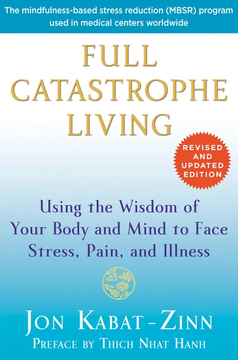
Jon Kabat-Zinn
Best for: Anyone dealing with chronic stress, pain, or illness — whether as a patient, clinician, or serious general reader — who wants a rigorous, science-backed, eight-week program guide rather than a breezy wellness primer.
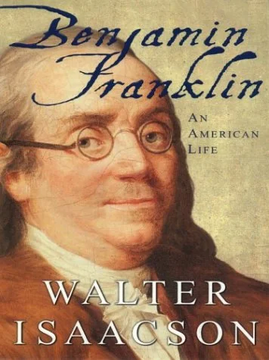
Walter Isaacson
Best for: Readers who want a single, sweeping authoritative biography of Benjamin Franklin that covers his full range as printer, scientist, inventor, diplomat, and Founding Father — and who are drawn to narrative-driven, accessible biography over academic scholarship.
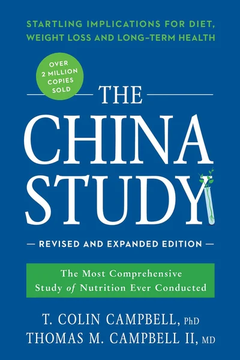
T. Colin Campbell and Thomas M. Campbell
Best for: Readers already curious about or committed to whole-food, plant-based eating who want a thorough, epidemiologically grounded argument — complete with mechanistic reasoning and a critique of reductionist nutrition science — for eliminating animal products from their diet.
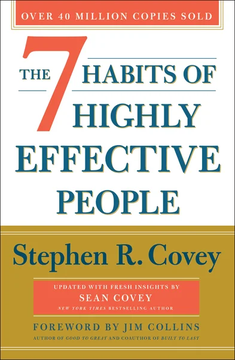
Stephen R. Covey
Best for: Professionals, managers, or motivated self-improvers who want a cohesive, principle-grounded framework for personal and interpersonal effectiveness — and are willing to invest patience in a dense, philosophically serious read rather than a quick-fix checklist.
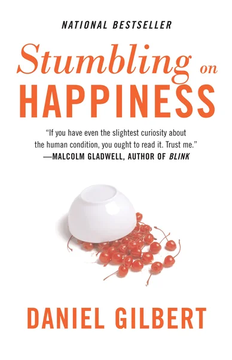
Daniel Gilbert
Best for: Readers curious about the psychology of prediction and self-deception who want a rigorous, research-grounded account of why humans are poor judges of what will make them happy — and who are content to leave without a prescriptive plan.
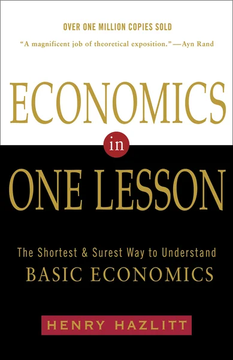
Henry Hazlitt
Best for: Curious general readers with no economics background who want a concise, principle-driven introduction to free-market thinking and a reusable framework for evaluating economic policy claims.
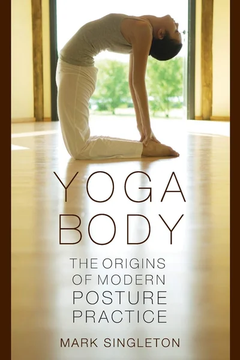
Mark Singleton
Best for: Scholars, historians, and serious yoga practitioners who want a rigorously documented, interdisciplinary account of how modern postural yoga actually emerged — and are prepared to have its claimed ancient lineage challenged head-on.
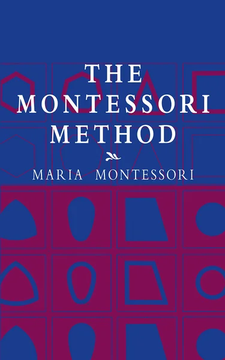
Maria Montessori
Best for: Educators training in or curious about the Montessori tradition, researchers in the history of pedagogy, and parents who want to engage with Montessori's own foundational arguments rather than secondhand summaries or derivative guides.
Jonathan Haidt
Best for: Readers genuinely curious about why political and religious opponents believe what they do — particularly those with an interest in social psychology, moral philosophy, or political science who want a rigorously argued, research-backed explanation rather than a polemic.
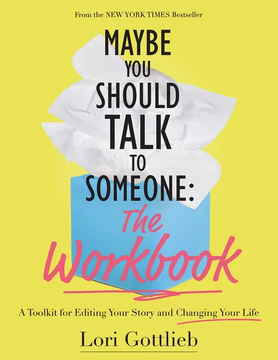
Lori Gottlieb
Best for: Readers who loved and heavily annotated the original Maybe You Should Talk to Someone memoir and want a structured, narrative-driven workbook to actively apply its therapeutic concepts — particularly those drawn to journaling-style self-reflection, book clubs, or therapists seeking a supplemental client resource.
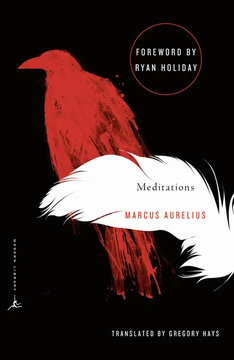
Marcus Aurelius
Best for: Readers drawn to practical Stoic philosophy who want an authentic, unguarded window into ancient self-examination — particularly those who prefer wisdom literature they can dip into repeatedly over a linear philosophical argument.
Daniel J. Siegel and Tina Payne Bryson
Best for: Parents and caregivers — especially those without a secure attachment background themselves — who want a neuroscience-grounded, conceptually clear framework for understanding how consistent emotional presence shapes a child's developing brain.
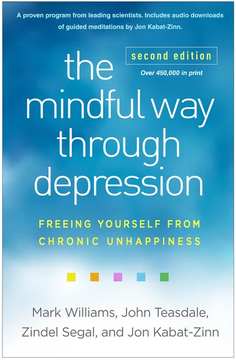
Mark Williams, John Teasdale, Zindel Segal, Jon Kabat-Zinn
Best for: People who have cycled through depression multiple times, have already received treatment, and are looking for a methodical, evidence-grounded self-help program to reduce the risk of relapse — particularly those open to integrating mindfulness practice into daily life.
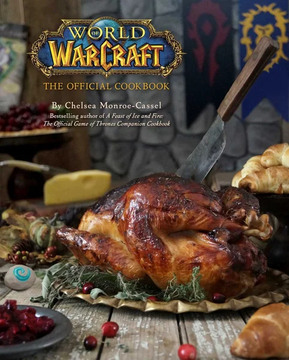
Chelsea Monroe-Cassel
Best for: WoW players who also cook — or want a reason to start — and who want to bring recognisable Azeroth dishes and brews into their own kitchen, with the book doubling as a lore-faithful collectible for dedicated franchise fans.
James Clear
Best for: Readers who have already absorbed Atomic Habits and want a structured, hands-on system — with templates, journaling prompts, and habit-tracking guides — to actively implement James Clear's Four Laws of Behavior Change in their daily life.
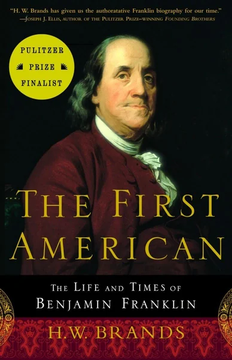
H. W. Brands
Best for: Serious readers of American history — students of the Revolutionary and Constitutional periods, or anyone seeking a single, comprehensive account of Franklin's full arc from Boston printer to elder statesman — who want depth, primary-source rigour, and narrative confidence in one volume.
Thomas J. Stanley and William D. Danko
Best for: Readers new to personal finance who want to engage with the foundational, research-backed text behind the "live below your means" argument — rather than one of its many derivative summaries — and who are ready to apply the PAW/UAW self-diagnostic framework to their own financial situation.
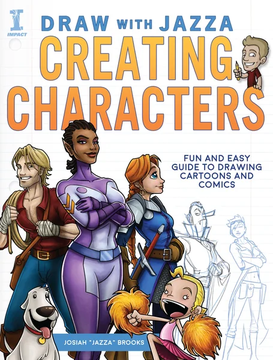
Josiah Brooks
Best for: Self-taught artists, hobbyists, and students with little formal training who want a clear, genre-flexible, repeatable system for designing original characters across comics, cartoons, and video games.
Francis Fukuyama
Best for: Readers with a grounding in political science or comparative history who want a rigorous, historically sweeping diagnosis of how liberal democracies decay from within — particularly those who have already read The Origins of Political Order and want to complete Fukuyama's two-volume project.
Adam Smith
Best for: Students of economics, political philosophy, or intellectual history who want to engage with the original primary text — unmediated, in full — rather than a summary or secondary account of Smith's ideas.
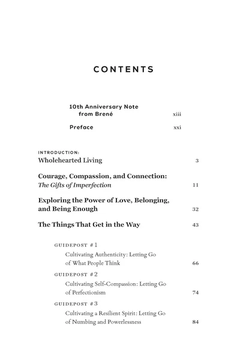
Brené Brown
Best for: Readers new to Brené Brown's work who want a compact, research-grounded introduction to wholehearted living — particularly those wrestling with perfectionism, shame, or the need for external approval — as well as book clubs seeking a structured framework for personal reflection.
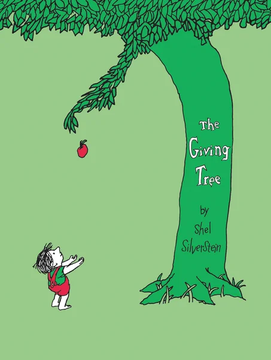
Shel Silverstein
Best for: Parents, caregivers, and educators who want a picture book that sparks genuine, open-ended conversation about generosity, relationships, and what it means to give — and who are comfortable sitting with ambiguity rather than a tidy moral resolution.
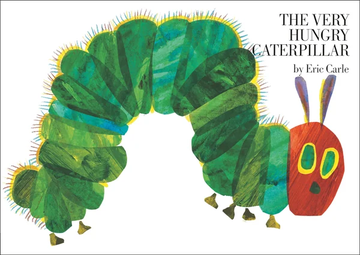
Eric Carle
Best for: Parents, caregivers, and gift-givers looking for a first picture book for babies and toddlers who are just beginning to learn counting, days of the week, and sequencing through an irresistibly simple, tactile story.
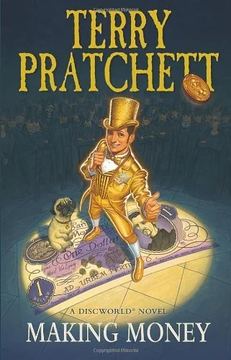
Terry Pratchett
Best for: Committed Discworld readers — particularly those who have already met Moist von Lipwig in Going Postal — and anyone drawn to comic fantasy that treats economic systems and the philosophy of money as genuine satirical and narrative material.
