Our reviews
1,017 books, each with who it's for, who should skip it, reading level and content notes, and every source we used.
399 reviews match
Maria Montessori
Best for: Educators training in or curious about the Montessori tradition, researchers in the history of pedagogy, and parents who want to engage with Montessori's own foundational arguments rather than secondhand summaries or derivative guides.
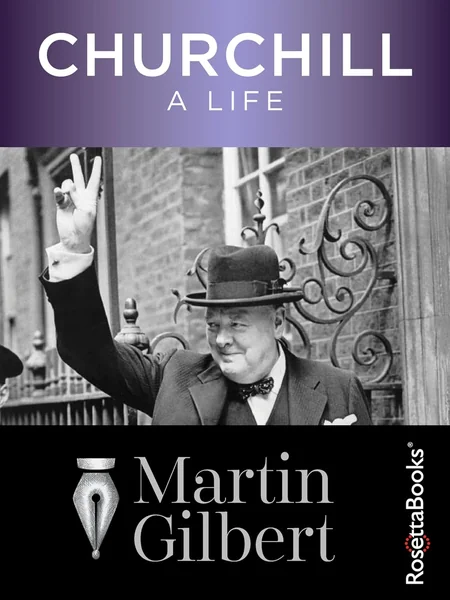
Martin Gilbert
Best for: Serious readers of history or biography who want the single most authoritative, fully documented account of Churchill's entire public life — from schoolboy and soldier to wartime leader and elder statesman — and are willing to invest the time a roughly 1,000-page scholarly synthesis demands.
Lori Gottlieb
Best for: Readers who loved and heavily annotated the original Maybe You Should Talk to Someone memoir and want a structured, narrative-driven workbook to actively apply its therapeutic concepts — particularly those drawn to journaling-style self-reflection, book clubs, or therapists seeking a supplemental client resource.
Marcus Aurelius
Best for: Readers drawn to practical Stoic philosophy who want an authentic, unguarded window into ancient self-examination — particularly those who prefer wisdom literature they can dip into repeatedly over a linear philosophical argument.
Daniel J. Siegel and Tina Payne Bryson
Best for: Parents and caregivers — especially those without a secure attachment background themselves — who want a neuroscience-grounded, conceptually clear framework for understanding how consistent emotional presence shapes a child's developing brain.
Lou Schuler and Cassandra Forsythe and Alwyn Cosgrove
Best for: Women who are ready to commit to strength training as their primary modality and want a single, research-backed resource covering programming, conditioning, and nutrition — with a direct, no-nonsense voice rather than aspirational lifestyle framing.
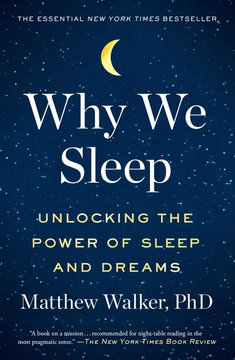
Matthew Walker
Best for: General readers with no background in sleep science who want a structured, accessible, and genuinely persuasive introduction to what sleep deprivation is doing to their body and mind.
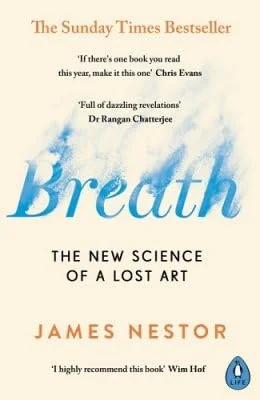
James Nestor
Best for: Curious general readers who want to understand how breathing affects their health and are open to a journey through ancient wisdom, modern pulmonology, and one journalist's self-experimentation — without needing clinical-grade evidence at every turn.
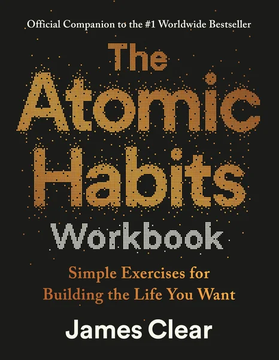
James Clear
Best for: Readers who have already absorbed Atomic Habits and want a structured, hands-on system — with templates, journaling prompts, and habit-tracking guides — to actively implement James Clear's Four Laws of Behavior Change in their daily life.
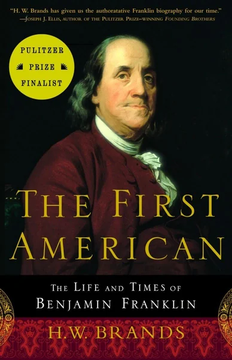
H. W. Brands
Best for: Serious readers of American history — students of the Revolutionary and Constitutional periods, or anyone seeking a single, comprehensive account of Franklin's full arc from Boston printer to elder statesman — who want depth, primary-source rigour, and narrative confidence in one volume.
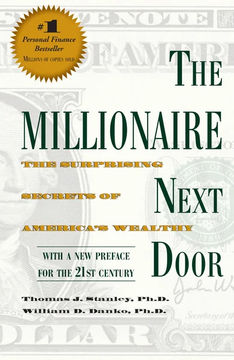
Thomas J. Stanley and William D. Danko
Best for: Readers new to personal finance who want to engage with the foundational, research-backed text behind the "live below your means" argument — rather than one of its many derivative summaries — and who are ready to apply the PAW/UAW self-diagnostic framework to their own financial situation.
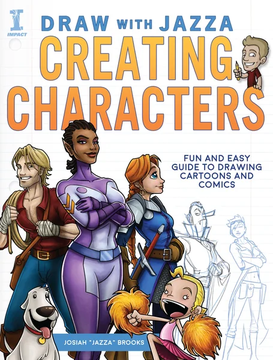
Josiah Brooks
Best for: Self-taught artists, hobbyists, and students with little formal training who want a clear, genre-flexible, repeatable system for designing original characters across comics, cartoons, and video games.
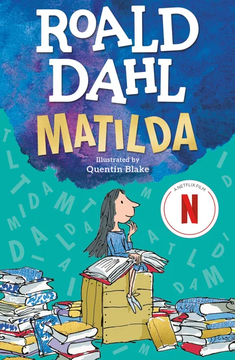
Roald Dahl
Best for: Middle-grade readers (grades 3–7) who love books and stories, and adults selecting a perennial classroom or library essential that champions childhood intelligence and self-determination.
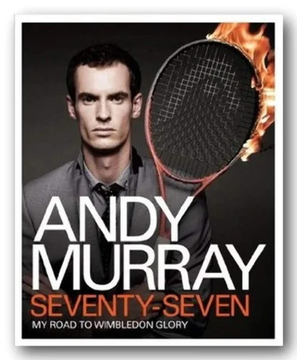
Andy Murray
Best for: Andy Murray fans and British sports biography readers who want an immersive, first-person account of the historic 2012–2013 period that ended a 77-year wait for a British men's Wimbledon champion.
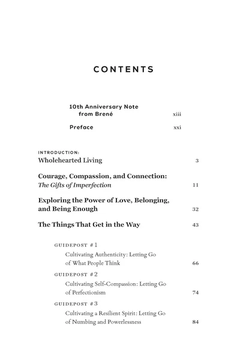
Brené Brown
Best for: Readers new to Brené Brown's work who want a compact, research-grounded introduction to wholehearted living — particularly those wrestling with perfectionism, shame, or the need for external approval — as well as book clubs seeking a structured framework for personal reflection.
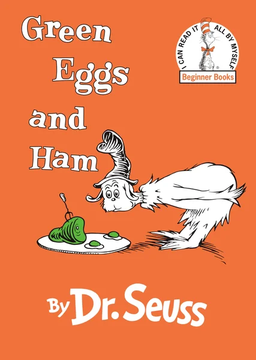
Dr. Seuss
Best for: Parents, caregivers, and early-years educators looking for a rhythmically irresistible, vocabulary-controlled read-aloud that builds early reading confidence in children ages 3–7 through joyful repetition and a gentle openness-to-new-things lesson.
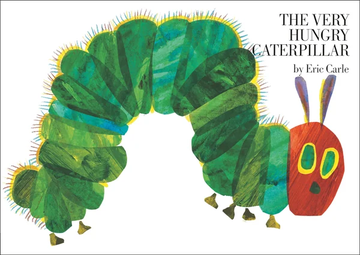
Eric Carle
Best for: Parents, caregivers, and gift-givers looking for a first picture book for babies and toddlers who are just beginning to learn counting, days of the week, and sequencing through an irresistibly simple, tactile story.
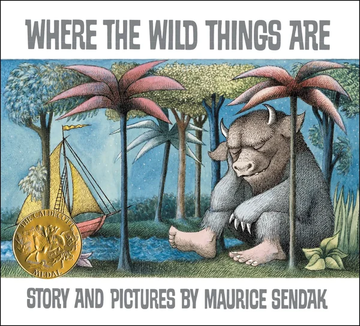
Maurice Sendak
Best for: Parents, caregivers, and early-years educators looking for a foundational picture book that honestly addresses childhood anger and the power of imagination, to share with preschool through early-elementary readers.
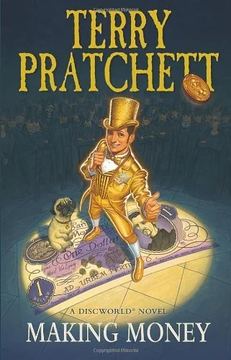
Terry Pratchett
Best for: Committed Discworld readers — particularly those who have already met Moist von Lipwig in Going Postal — and anyone drawn to comic fantasy that treats economic systems and the philosophy of money as genuine satirical and narrative material.
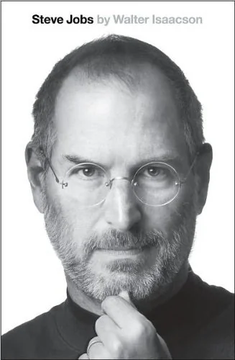
Walter Isaacson
Best for: Readers drawn to business history, technology, or biography who want the most comprehensively sourced portrait of Steve Jobs available — particularly those curious about the psychology of creative leadership and how a single personality reshaped multiple industries.
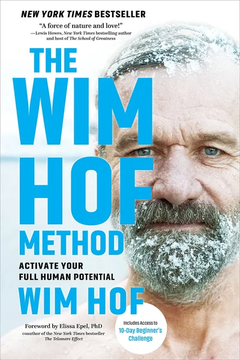
Wim Hof
Best for: Readers curious about breathwork, cold therapy, or mind-body resilience who want the definitive, first-person account of the Wim Hof Method — especially those drawn to a blend of personal memoir, practical step-by-step instruction, and accessible wellness science.
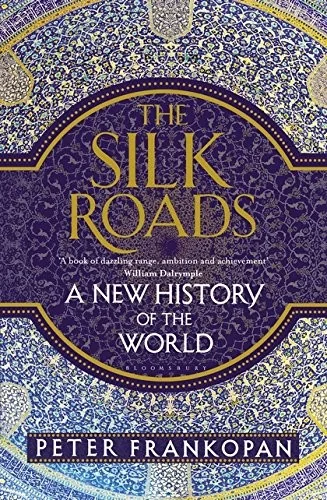
Peter Frankopan
Best for: Historically curious general readers who find the conventional Western-centric narrative of world history unsatisfying and want a sustained, accessible argument for why Central Asia, the Middle East, and the Silk Roads — not the Mediterranean — have been the true engine of civilisation.
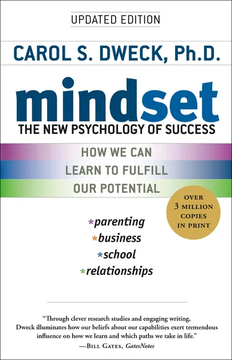
Carol S. Dweck
Best for: Curious general readers — whether in education, business, sport, or parenting — who want a research-grounded introduction to how beliefs about ability shape achievement across virtually every life domain.
Gretchen Rubin
Best for: Readers who want to maintain a long-term personal record but have repeatedly abandoned traditional journals — particularly those already engaged with Gretchen Rubin's work on habits and happiness.
