Our reviews
1,017 books, each with who it's for, who should skip it, reading level and content notes, and every source we used.
409 reviews match
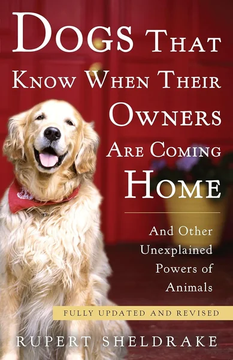
Rupert Sheldrake
Best for: Pet owners and readers at the intersection of animal cognition, consciousness studies, and fringe biology who have witnessed inexplicable animal behavior and want a credentialed scientist to take those experiences seriously and situate them within a genuine theoretical framework.
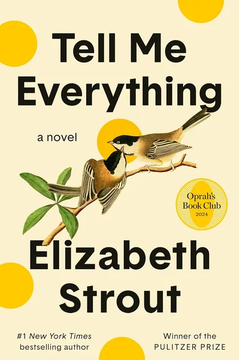
Elizabeth Strout
Best for: Readers already invested in Elizabeth Strout's Amgash/Crosby, Maine universe — particularly fans of Olive Kitteridge, Lucy Barton, or Bob Burgess — who will find the long-awaited convergence of these characters a genuine and emotionally weighty literary event.
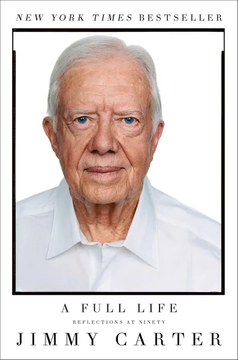
Jimmy Carter
Best for: Readers new to Jimmy Carter's extensive bibliography who want a single, accessible volume spanning his full life — from rural Georgia poverty to the presidency, Nobel Prize, and decades of humanitarian work through The Carter Center.
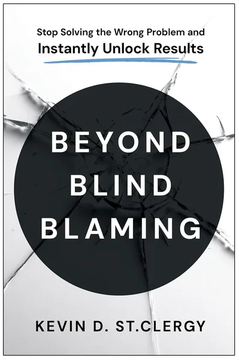
Kevin St.Clergy
Best for: Entrepreneurs and business owners who feel persistently stuck despite genuine effort and sound strategy, and suspect the real issue may be that they're solving the wrong problem rather than the right one badly.
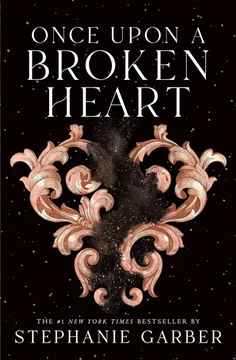
Stephanie Garber
Best for: Readers aged 13–18 who love dark fairytale romance, morally ambiguous supernatural figures, and emotionally driven heroines — whether they're already fans of the Caraval trilogy or looking for a compelling entry point into Garber's world.
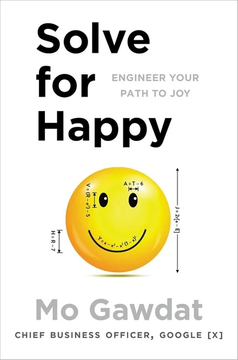
Mo Gawdat
Best for: Readers who want a self-help book that earns its optimism — specifically those who have experienced serious loss or persistent low-level unhappiness and respond best to a structured, logic-driven framework rather than motivational anecdote.
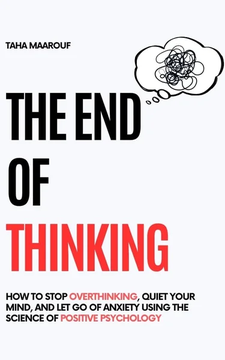
Taha Maarouf
Best for: Readers who feel mentally overwhelmed by everyday anxiety, emotional contagion, or self-sabotage and want a short, action-oriented framework rooted in positive psychology rather than a lengthy clinical text.
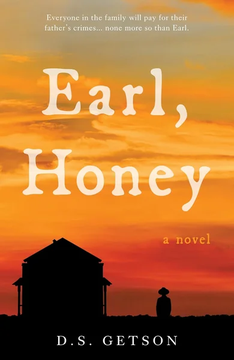
D S Getson
Best for: Readers drawn to Southern Gothic coming-of-age fiction who want a historically grounded story of family trauma, redemption, and moral weight — particularly those who respond to prose-driven narratives rooted in real events rather than genre invention.
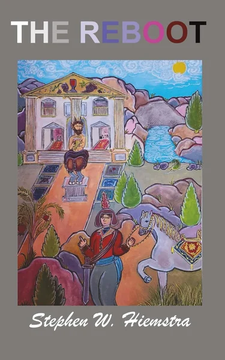
Stephen W. Hiemstra
Best for: Young adult readers aged 12–18 — and parents, educators, or youth-group leaders choosing for them — who want genre adventure set across first-century Israel and Rome and are open to fiction that places Christian questions of calling and identity at the centre of the plot.
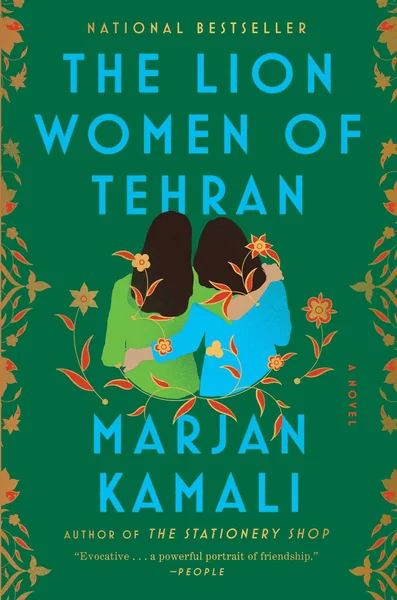
Marjan Kamali
Best for: Readers who love sweeping, historically grounded friendship sagas — particularly those drawn to modern Iranian history and women's resistance narratives — who responded to Kamali's earlier The Stationery Shop and are ready to invest in a seven-decade story.
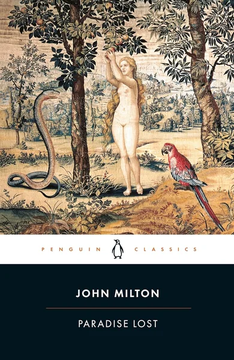
John Milton
Best for: Students, first-time readers seeking scholarly support, and returning readers who want to engage seriously with one of the greatest and most demanding poems in the English language — particularly in this Penguin Classics edition with John Leonard's editorial introduction and apparatus.
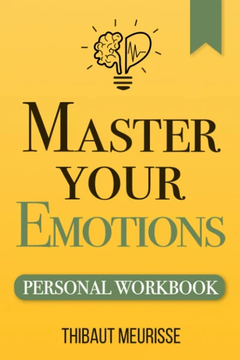
Thibaut Meurisse
Best for: Readers new to emotional self-management who want an entry-level, jargon-free workbook for tackling specific challenges like persistent self-criticism, resentment, or low motivation — and who are ready to actively work through structured exercises rather than simply read.
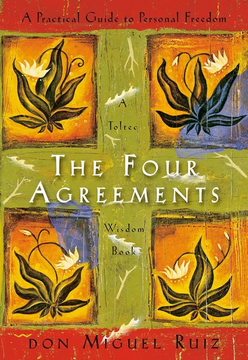
Don Miguel Ruiz
Best for: Readers new to spiritually grounded self-help who want a concise, plain-language framework for re-examining their internal belief systems and habitual patterns of thought — especially those drawn to wisdom-tradition literature or who have encountered the four agreements in popular culture and want to engage with the source text.
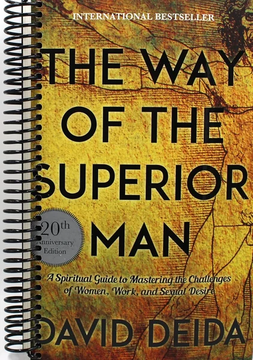
David Deida
Best for: Men drawn to a spiritually rooted, integrative framework — one that connects purpose and vocation with intimate relationships and sexual dynamics — who are open to exploring masculine and feminine as complementary energetic poles rather than seeking guidance grounded in empirical psychology or gender research.
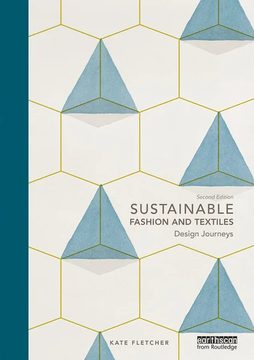
Kate Fletcher
Best for: Design students, fashion educators, textile researchers, and sustainability practitioners who need a rigorous, systems-level academic framework covering the full lifecycle of fashion and textiles — from materials science and ethical production through to slow fashion theory and participatory design.
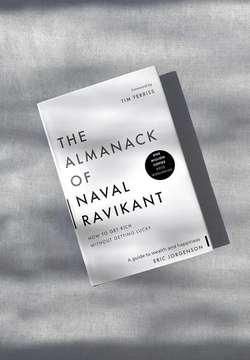
Eric Jorgenson
Best for: Ambitious readers — whether early-career or at a point of reassessment — who want a single structured reference distilling over a decade of Naval Ravikant's public thinking on building wealth and cultivating happiness, and who are comfortable with aphoristic, first-principles reasoning rather than linear, evidence-driven argument.
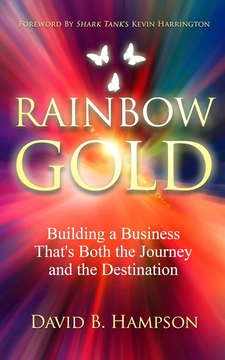
David Hampson
Best for: Aspiring entrepreneurs and early-stage small business owners who feel alienated by the startup world's obsession with speed and quick exits, and who want a grounded, experience-led perspective from someone who built across radically different industries and geographies.
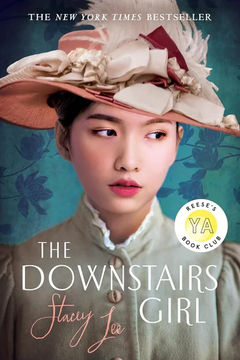
Stacey Lee
Best for: Young adult readers aged 13 and up who love historical fiction with an activist edge — particularly those drawn to protagonists navigating dual identities, racial and gender injustice, and the power of anonymous speech in a richly detailed post-Reconstruction Atlanta setting.
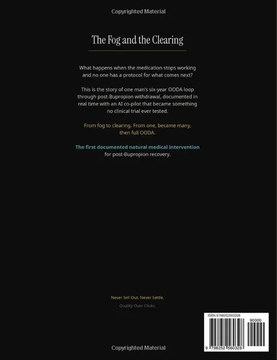
Marc Cianciolo
Best for: Policy thinkers, technologists, educators, and curious general readers who want a concise, provocative entry point into the human-AI relationship rather than a comprehensive technical or academic treatment.
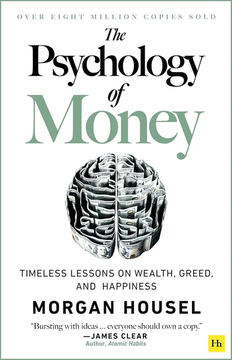
Morgan Housel
Best for: Readers who want to understand the emotional and behavioural forces that shape their financial decisions — particularly those who have bounced off jargon-heavy personal finance books and prefer short, story-driven essays they can read in any order.
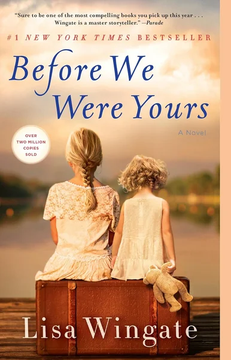
Lisa Wingate
Best for: Readers of historical fiction who are drawn to dual-timeline family sagas, investigative narratives, and stories rooted in real social injustice — particularly those who want their fiction to carry documented historical weight.
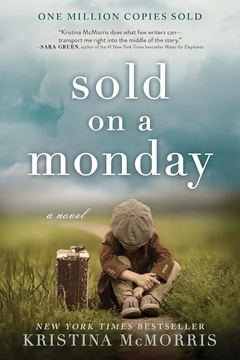
Kristina McMorris
Best for: Readers drawn to emotionally intense Depression-era historical fiction who want a story grounded in documented tragedy, centred on moral complexity, family bonds under duress, and the personal cost of doing the right thing.
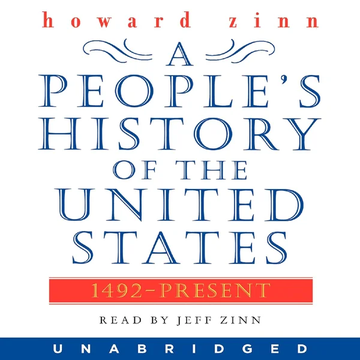
Howard Zinn
Best for: Readers drawn to bottom-up American history — labor movements, Indigenous perspectives, civil rights, and the tradition of political dissent — who want a foundational text that reoriented what counts as history and who counts as a historical subject.

Ross Meador
Best for: Readers drawn to the human and emotional dimensions of the Vietnam War era — particularly the fate of war orphans — who want a ground-level civilian perspective on Operation Babylift rather than a military or policy-centred account.
