7 min read
4.5
· 31 Amazon ratingsShare This Review
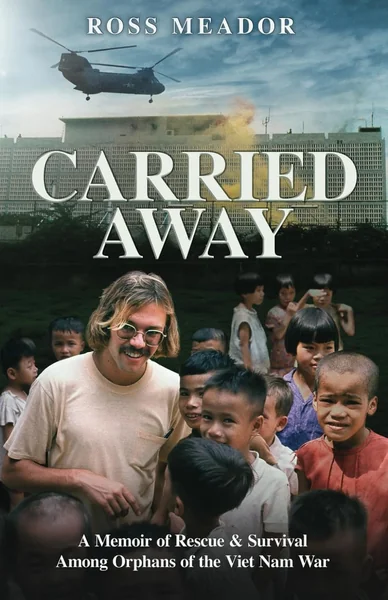
Carried Away: A Memoir of Rescue by Ross Meador Review: A Gripping Eyewitness Account of Operation Babylift
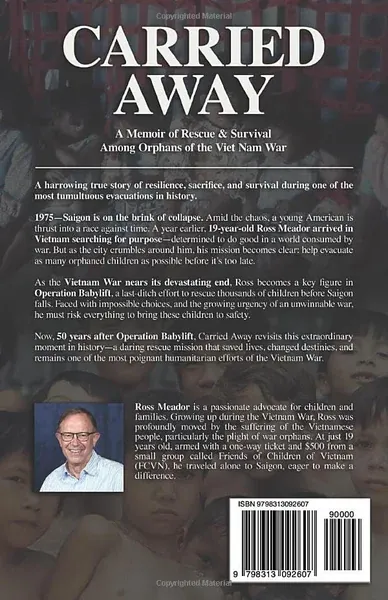
Ross Meador's memoir delivers a rare ground-level perspective on Operation Babylift and the fall of Saigon, told by a 19-year-old volunteer who was already embedded in South Vietnam's orphanages long before the official evacuation began.
 Tap to enlarge
LuvemBooks Verdict
Best for
Readers drawn to the human and emotional dimensions of the Vietnam War era — particularly the fate of war orphans — who want a ground-level civilian perspective on Operation Babylift rather than a military or policy-centred account.
Worth it if
You're interested in memoirs of moral courage under extreme pressure, the history of international adoption and humanitarian relief, or accounts of how an ordinary person — without institutional backing — acts on conviction in the middle of a historical catastrophe.
Skip if
You're looking for a comprehensive strategic or institutional history of Operation Babylift at the command level — this memoir's deliberately personal, civilian-volunteer vantage point does not cover that ground, and its independent publication means it lacks the editorial infrastructure of a major press.
What readers & critics say
Novelsalive.com praises Meador's tone as "raw and full of emotion," noting the memoir offers a rare, deeply human view of the mission and draws a timely parallel between the Operation Babylift debate and more recent discussions about Ukrainian orphans. Veteransbreakfastclub.org, citing the Novels Alive review, describes the memoir as treading "unfamiliar territory in Vietnam War literature" and offering "a rare glimpse into a lesser-known front of compassion and courage."
Sources: novelsalive.com, veteransbreakfastclub.orgAsk LuvemBooks
Was this helpful?
- Is it worth reading?
- For readers interested in the human dimensions of the Vietnam War, Carried Away offers something genuinely difficult to find elsewhere: a ground-level civilian account of Operation Babylift from someone already woven into Saigon's orphanage communities before the evacuation was authorized. Reviewers at novelsalive.com note that Meador's tone is raw and emotionally direct, and the memoir's emphasis on the reciprocal transformation between rescuer and rescued gives it depth beyond a straightforward eyewitness account. Those seeking the strategic or institutional history of Operation Babylift at the command level will need to look elsewhere, but as a document of moral courage under extreme pressure, it stands on its own.
- Similar books
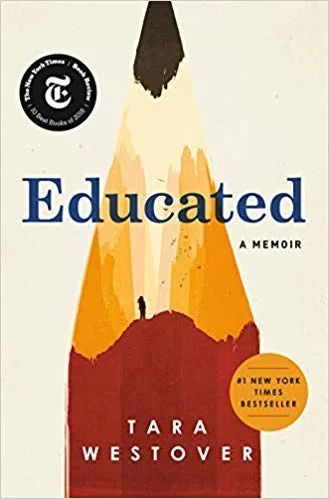
- Readers drawn to Carried Away may also find resonance in several works that explore displacement, survival, and identity shaped by extreme historical circumstance. Dina Nayeri's The Ungrateful Refugee examines the experience of refugees navigating Western societies, while Kien Nguyen's The Unwanted: A Memoir of Childhood offers another intimate Vietnamese-war-era perspective from inside the country. Karl Marlantes's Matterhorn is a landmark fictional account of the Vietnam War itself. For readers whose interest is in memoirs of radical self-reinvention under adversity, Tara Westover's Educated — in LuvemBooks' catalogue — offers a compelling parallel: an ordinary person, without institutional support, forging a life shaped by extraordinary circumstances.
- Who should read this?
- Carried Away is well suited to readers interested in the human dimensions of the Vietnam War era, the history of international adoption and humanitarian relief, and memoirs of moral courage under extreme pressure. It is a natural companion for broader Vietnam War reading, and its contemporary parallel to debates surrounding Ukrainian orphans extends its relevance to readers engaged with current humanitarian policy. Those who respond most strongly to accounts in which an ordinary person — without institutional backing — acts on conviction in the middle of a historical catastrophe will find Meador's story especially compelling.
- About Ross Meador
- Ross Meador is the author of Carried Away: A Memoir of Rescue and Survival Among the Orphans of the Viet Nam War. Profoundly moved by the suffering of Vietnamese war orphans while growing up during the Vietnam War, he traveled to South Vietnam at just 19 years old with Friends of Children of Viet Nam (FCVN), helping deliver supplies to orphanages and finding families for hundreds of children.
- What are the main themes?
- Carried Away engages with several interlocking themes: the humanitarian crisis facing South Vietnamese war orphans and the civilian volunteers who fought to help them; the ethics and controversy surrounding Operation Babylift and international adoption; and the reciprocal transformation between those who give aid and those who receive it. The memoir also draws a deliberate contemporary parallel between the Operation Babylift debate and more recent discussions about Ukrainian orphans, framing these as enduring rather than purely historical questions. Underlying all of this is the portrait of a young person — acting without institutional backing — whose life was irrevocably shaped by the moral weight of what he witnessed.
- Do I need Vietnam War background to enjoy it?
- Carried Away is written from an experiential rather than an analytical vantage point, so readers without deep knowledge of Vietnam War history can follow Meador's personal story without difficulty. That said, some familiarity with the fall of Saigon and Operation Babylift will enrich the reading — the memoir's power partly rests on understanding what the rooftop evacuation of the U.S. Embassy on April 30, 1975 meant in the broader sweep of the war. Readers wanting to build that context can treat the memoir as a companion to more comprehensive historical accounts rather than a standalone history.
Summarize this book
Follow up
Synthesized from verified book data & published reviews · How we review
Press Enter to ask. Answers come from our editorial Q&A — start typing to see related questions.
Age & Reading Level
Recommended age
Ages 16+
Reading level
Adult
2 content notes · who it suits
Content to know about
Best for: Adults / mature 16+ — the memoir covers a war-zone humanitarian crisis, the fate of orphaned children in extreme circumstances, and the chaos of the fall of Saigon; the emotional weight and historical complexity suit mature readers.
Skip if you are looking for a comprehensive strategic or institutional history of Operation Babylift rather than a personal, experiential account.
Our Review
What the Book Is and What It Covers

Historical Significance and Perspective
Strengths: Voice, Emotion, and Intimacy
Limitations and Potential Frustrations
Who This Book Is For
Sources & Further Reading
The key facts and claims in this review are grounded in the retrieved, verified sources listed below.
- 1
carriedawaybook.com
- 2
storeybookreviews.com
- 3
novelsalive.com
- 4
- 5
veteransbreakfastclub.org
- 6
Books like Carried Away
Curated picks for readers who enjoyed Carried Away, with our reasoning for each match.
If you liked Carried Away