8 min read
4.5
· 1,107 Amazon ratingsShare This Review

Master Your Emotions by Thibaut Meurisse Review: A Compact, Widely-Translated Self-Help Guide
Master Your Emotions by Thibaut Meurisse is a self-help guide designed to help readers understand the mechanics of their emotions and apply practical strategies to overcome negativity — a concise, accessible entry point that has found a remarkably wide global audience, selling over 500,000 copies and appearing in more than 30 languages.
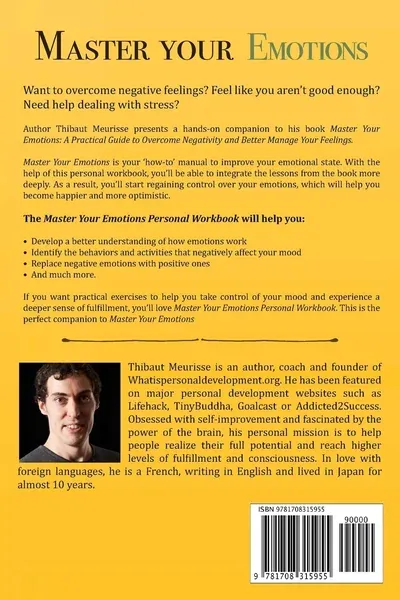 Tap to enlarge
LuvemBooks Verdict
Best for
Readers new to emotional self-management who want an entry-level, jargon-free workbook for tackling specific challenges like persistent self-criticism, resentment, or low motivation — and who are ready to actively work through structured exercises rather than simply read.
Worth it if
Worth it if you're looking for plainspoken, immediately actionable guidance on negative emotions and are willing to engage with the written exercises the book is built around.
Skip if
Skip it if you're already familiar with cognitive-behavioural frameworks or mindfulness literature, as the introductory scope is unlikely to add substantial new ground.
What readers & critics say
Readers Favorite describes the writing as "simple and beautiful" with a "confident and authoritative" voice, praising the book's life-changing lessons on transforming emotions. Sobrief.com, aggregating over 18,000 ratings from Goodreads and Amazon, notes the book receives an average of 4.14/5, with positive reviews consistently citing its practical exercises, accessible writing style, and usefulness for improving self-awareness, alongside some mixed responses.
Sources: Readers Favorite, sobrief.com, heartsaysalot.comAsk LuvemBooks
Was this helpful?
- Is it worth reading?
- For readers who are new to emotional self-management and want an accessible, structured entry point without clinical language, Master Your Emotions earns its reputation. Its sales record — over 500,000 copies across more than 30 languages — reflects sustained, genuine appetite rather than a fleeting trend. The key caveat is engagement: the book is designed as a workbook, and readers who approach it passively are unlikely to get the outcomes Meurisse intends. Readers already familiar with cognitive-behavioral frameworks or comprehensive emotional-intelligence literature may find its scope too introductory to offer substantially new ground.
- Similar books
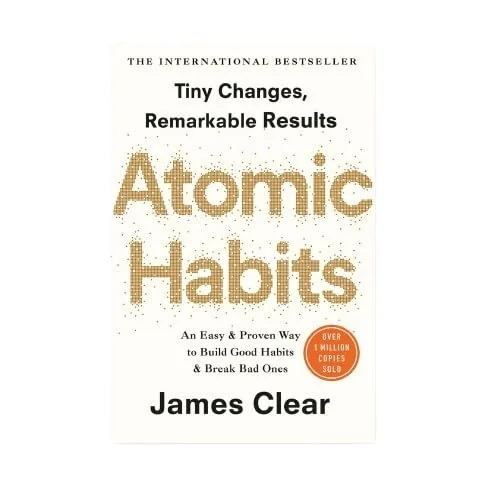
- Readers drawn to Master Your Emotions will find strong companions in several titles. Stop Overthinking by Nick Trenton targets the same jargon-free, practical register, focusing specifically on techniques to break negative thought spirals. For readers ready to go deeper into the cognitive-behavioral framework that underpins much of Meurisse's approach, The Anxiety and Worry Workbook by David A. Clark and Aaron T. Beck offers a more clinically grounded workbook experience. Atomic Habits by James Clear complements the emotional work with a behavioral-change system — useful for readers who want to translate emotional insight into lasting habit. The Courage to Be Disliked by Ichiro Kishimi and Fumitake Koga approaches emotional freedom from an Adlerian philosophical angle and pairs well with Meurisse's identity-separation premise.
- Who should read this?
- Master Your Emotions is calibrated for readers who are new to emotional self-management and want an entry-level guide without clinical complexity. It is especially well-suited to someone dealing with a specific, immediate challenge — persistent self-criticism, unresolved resentment, or low motivation — who wants structured, practical guidance quickly. Readers who find clinical or academic self-help language alienating will particularly benefit from Meurisse's deliberate avoidance of psychological jargon. Those already familiar with cognitive-behavioral frameworks or comprehensive emotional-intelligence literature are likely to find the material too introductory.
- Where should I start with Thibaut Meurisse?
- Master Your Emotions is the first book in Meurisse's Mastery Series and is widely considered the natural entry point into his work. It introduces the core methodology — examining and redirecting negative emotions through practical, jargon-free exercises — that threads through the rest of the series. Readers who connect with its approach are positioned to continue through the subsequent six titles in the series, with Master Your Thinking serving as another notable entry in the sequence.
- Do I have to do the exercises?
- The honest answer from reader commentary is: yes, meaningfully so. The book is structured as a workbook, and its value is in active use — reader feedback aggregated from Amazon reviews explicitly notes that working through the written exercises and applying them to everyday life is what produces results. Readers who read it cover-to-cover without engaging with the exercises are unlikely to experience the outcomes the book is designed to produce. LuvemBooks flags this as an important expectation to set before purchase.
- Is this a good book club pick?
- Master Your Emotions can work well for a book club focused on personal development, particularly one whose members are new to emotional self-management. Its short format and structured exercises give a group concrete material to discuss and even work through together — the topics of self-blame, resentment, and low motivation are broadly relatable. That said, readers already familiar with cognitive-behavioral or mindfulness frameworks may find the discussion less generative, and the workbook format rewards individual engagement as much as group conversation.
Summarize this book
Follow up
Synthesized from verified book data & published reviews · How we review
Press Enter to ask. Answers come from our editorial Q&A — start typing to see related questions.
Age & Reading Level
Recommended age
Adult
Reading level
Adult
who it suits
Skip if you are already well-versed in cognitive-behavioral therapy, mindfulness, or emotional-intelligence frameworks and want something beyond an introductory level.
Our Review
What the Book Is and What It Covers

Scale and Significance in the Self-Help Landscape
Core Strengths: Accessibility and Empathetic Tone
How Engagement with the Material Affects Outcomes
Who This Book Is — and Isn't — For
Sources & Further Reading
The key facts and claims in this review are grounded in the retrieved, verified sources listed below.
- Cited in this review
- 1
- 2
- Further reading
- 3
- 4
Books like Master Your Emotions
Curated picks for readers who enjoyed Master Your Emotions, with our reasoning for each match.
If you liked Master Your Emotions