9 min read
4.4
· 6,315 Amazon ratingsShare This Review
The Downstairs Girl by Stacey Lee Review: A Witty, Timely Historical YA Novel
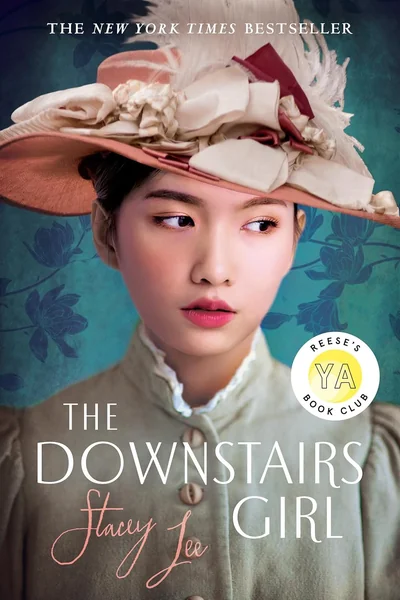
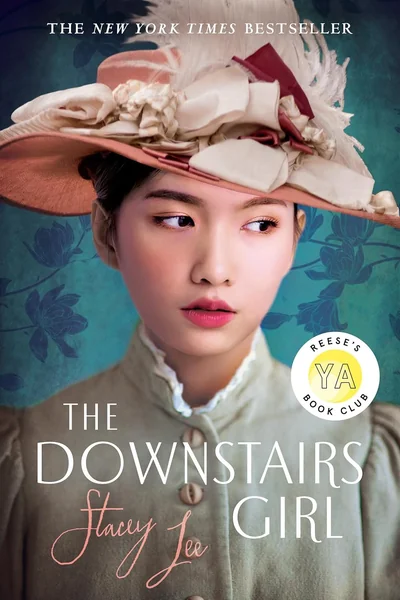
A New York Times Bestseller and Reese's Book Club YA Pick, Stacey Lee's The Downstairs Girl is a historical YA novel set in the New South that follows seventeen-year-old Jo Kuan — by day a lady's maid, by night the anonymous voice behind the "Dear Miss Sweetie" newspaper advice column — as she wields the power of the press to challenge racial and gender injustice while searching for the truth about her own origins. Praised by critical coverage, critical coverage, and NPR, and recognized on year-end lists from People Magazine to School Library Journal, it stands as one of Lee's most decorated works.
LuvemBooks Verdict
Best for
Young adult readers aged 13 and up who love historical fiction with an activist edge — particularly those drawn to protagonists navigating dual identities, racial and gender injustice, and the power of anonymous speech in a richly detailed post-Reconstruction Atlanta setting.
Worth it if
You want a YA historical novel that balances genuine social weight with narrative momentum and a sharp, witty protagonist — and you appreciate a story whose 1890s themes speak directly to present-day questions of identity, visibility, and speaking truth to power.
Skip if
Readers at the younger end of the 12–17 range who prefer a single, streamlined plot may find the novel's multiple converging threads — the secret columnist arc, the search for biological parents, and an escalating criminal threat — a lot to track simultaneously.
What readers & critics say
Penguinteen.com, relaying blurbs from critical coverage and critical coverage, reports the novel is "vividly rendered" and "holds a mirror to our present issues while giving us a detailed and vibrant picture of life in the past," with Penguin's own characterisation of Lee's prose as "witty, insightful, and at times heartbreaking." Parnassus Books surfaces a starred critical coverage notice calling it "an optimistic, sophisticated portrayal of one facet of Chinese-American — and simply American — history," and Reese Witherspoon's book club site endorses it as "clever, poignant and funny."
Sources: penguinteen.com, parnassusbooks.net, reesesbookclub.comAsk LuvemBooks
Was this helpful?
- Is it worth reading?
- For readers drawn to historical YA fiction with an activist dimension, The Downstairs Girl earns its exceptional breadth of recognition. The novel's dual-identity premise — Jo Kuan as servant by day and pseudonymous newspaper columnist by night — is noted by critics for keeping readers "riveted as witty, observant Jo deals with the dangers of questioning power." That the story engages directly with racism, class hierarchy, and gender constraint in post-Reconstruction Atlanta without sacrificing narrative momentum or Jo's sharp voice is itself a notable craft achievement. The main caveat: readers who prefer a single, tightly focused plot may find the simultaneous management of the Miss Sweetie storyline, the biological-parents search, and a criminal threat a demanding combination.
- Similar books
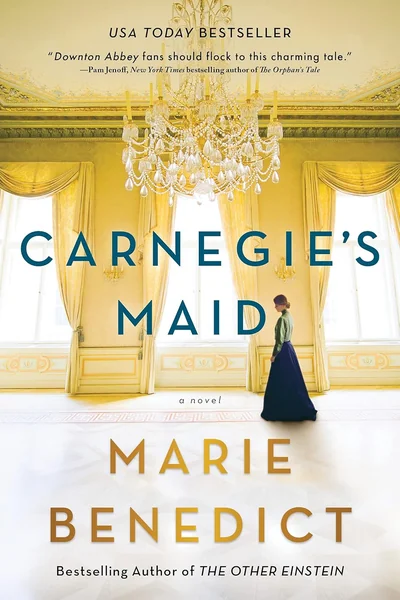
- Readers who respond to The Downstairs Girl's blend of historical drama and social justice themes will find strong companions in the curated selection below. The Good Lord Bird by James McBride and March by Geraldine Brooks both use the American past to interrogate race and moral courage with literary force. For historical fiction centering an underestimated young woman navigating a class-bound world, Carnegie's Maid by Marie Benedict offers a closely parallel setup. The Color Purple by Alice Walker shares the theme of a marginalized woman finding her voice against systemic oppression. For younger readers seeking a YA historical story about young women defying social constraints, The Secret Sewing Society by Siobhan Curham is a fitting introduction. Note that another Stacey Lee title, Luck of the Titanic, is a natural next read from the same author but is not currently in the LuvemBooks catalogue.
- Who should read this?
- The novel is an especially strong fit for teen and adult readers who enjoy historical fiction with an activist dimension and protagonists who are wry and morally clear-eyed. Educators, librarians, and parents seeking YA fiction that engages substantively with American history and social justice — without sacrificing storytelling energy — are well served by its broad institutional endorsement from YALSA, the New York Public Library, and the Bank Street College of Education. Readers who appreciate journalism-and-identity narratives, or who are drawn to stories about speaking truth under a pseudonym, will find Jo Kuan's Miss Sweetie arc particularly resonant. Those who prefer a single tightly plotted narrative over converging storylines may find the multiple high-stakes threads demanding.
- What age is it for?
- Best for ages 12 and up, with the novel's greatest rewards likely landing for readers aged 14–17 and adults. The book is published for ages 12–17, but its richly detailed period context, layered social critique, and multiple converging plot lines may feel dense for readers at the younger end of that range. The content engages directly with racial injustice, class hierarchy, and gender constraint in post-Reconstruction Atlanta — themes handled with literary seriousness rather than graphic depiction.
- About Stacey Lee
- Stacey Heather Lee is an American author of young adult fiction, best known for Under a Painted Sky and Outrun the Moon.
- What are the main themes?
- The novel's core themes are identity, voice, and the costs of challenging entrenched power. Jo Kuan's anonymous "Miss Sweetie" column becomes a vehicle for examining who gets to be heard in a racially and gender-stratified society, while her simultaneous search for her biological parents raises questions about what identity means when one's origins are unknown. Critics noted that the novel "holds a mirror to our present issues" — particularly around the ethics of anonymity, visibility, and speaking truth to power — even as it delivers a detailed portrait of life in the post-Reconstruction South. The review identifies race, class hierarchy, and gender constraint as the three structural forces Jo navigates across both storylines.
- What awards has it won?
- The Downstairs Girl has accumulated an exceptionally broad constellation of honors. Beyond its New York Times Bestseller status and selection as a Reese's Book Club YA Pick, it was named a Best Book of the Year by People Magazine, a Best Children's Book of the Year by The Washington Post, and a Best Book of the Year by School Library Journal, Publishers Weekly, BookPage, and Booklist. It earned recognition from YALSA, the New York Public Library, and the Bank Street College of Education, and won the Crystal Kite Award. That spread — spanning mainstream media, library associations, and trade publications — marks it as a standout validated across multiple literary communities, not merely a single corner of the YA world.
Summarize this book
Follow up
Synthesized from verified book data & published reviews · How we review
Press Enter to ask. Answers come from our editorial Q&A — start typing to see related questions.
Age & Reading Level
Recommended age
Ages 12–18
Reading level
Young adult
3 content notes · who it suits
Content to know about
Best for: Ages 12+ — multi-threaded historical plotting and layered social themes suit confident readers; the richest experience is likely for ages 14 and up.
Skip if you want a single-focus, tightly linear plot rather than multiple converging storylines.
Our Review
What the Novel Is and What Happens
Significance and Recognition
Craft and Strengths
Thematic Depth and Contemporary Resonance
Who This Novel Is For
Sources & Further Reading
The key facts and claims in this review are grounded in the retrieved, verified sources listed below.
- Cited in this review
- 1
- 2
penguinteen.com
- 3
reesesbookclub.com
- Further reading
- 4
Stacey Lee, Wikipedia
- 5
parnassusbooks.net
- 6
penguinteen.com
- 7
- 8
- 9
Books like The Downstairs Girl
Curated picks for readers who enjoyed The Downstairs Girl, with our reasoning for each match.
If you liked The Downstairs Girl