Our reviews
1,017 books, each with who it's for, who should skip it, reading level and content notes, and every source we used.
216 reviews match
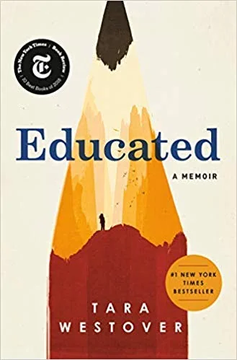
Tara Westover
Best for: Readers drawn to memoir that works simultaneously as family narrative, intellectual history, and ethical inquiry — particularly those interested in education, memory, and the cost of self-determination.
Will Patrick
Best for: Busy beginners and intermediate trainees who want a single, evidence-informed framework that integrates both training and nutrition without overwhelming them with jargon or complexity.
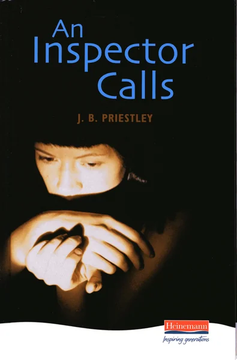
J.B. Priestley
Best for: Students tackling the play as a GCSE or IGCSE set text, and general readers seeking a compact, high-stakes theatrical argument about class, responsibility, and moral complicity that can be absorbed in a single sitting.
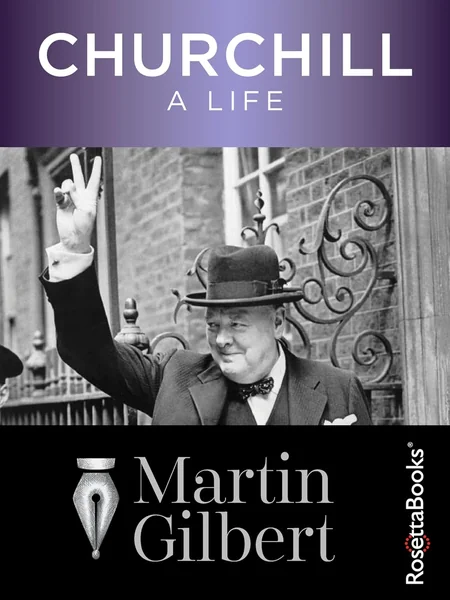
Martin Gilbert
Best for: Serious readers of history or biography who want the single most authoritative, fully documented account of Churchill's entire public life — from schoolboy and soldier to wartime leader and elder statesman — and are willing to invest the time a roughly 1,000-page scholarly synthesis demands.
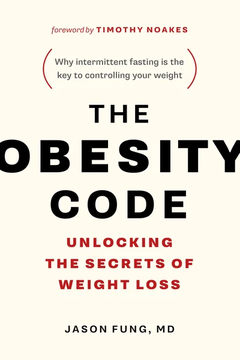
Jason Fung
Best for: Readers who feel that conventional "eat less, move more" advice has failed them and are encountering the hormonal/insulin framework for obesity for the first time.
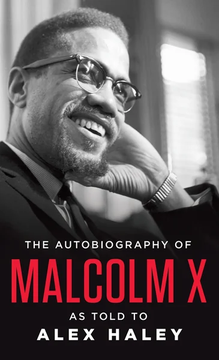
Malcolm X and Alex Haley
Best for: Readers — whether general or students of American history, civil rights, religion, or autobiography as a literary form — who want to encounter Malcolm X's philosophy, his break with the Nation of Islam, and the arc of his thinking in his own constructed voice rather than through a secondary account.
Barbara W. Tuchman
Best for: Readers curious about the origins of the First World War who want a single, authoritative volume that combines rigorous military and diplomatic history with vivid character portraiture of the statesmen and commanders who stumbled into catastrophe in August 1914.
Matt Haig
Best for: Readers navigating depression, burnout, or a sense of paths not taken who want an emotionally accessible speculative novel that literalises regret and the case for living — without demanding hard SF rigour or tonal darkness.
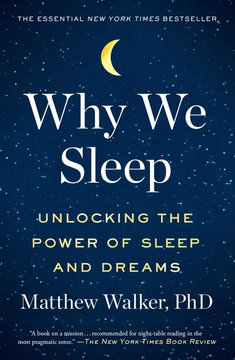
Matthew Walker
Best for: General readers with no background in sleep science who want a structured, accessible, and genuinely persuasive introduction to what sleep deprivation is doing to their body and mind.
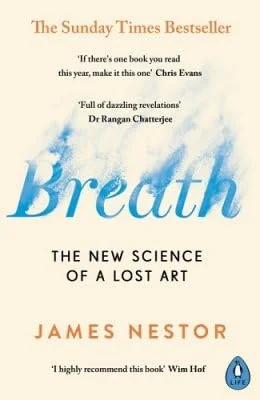
James Nestor
Best for: Curious general readers who want to understand how breathing affects their health and are open to a journey through ancient wisdom, modern pulmonology, and one journalist's self-experimentation — without needing clinical-grade evidence at every turn.
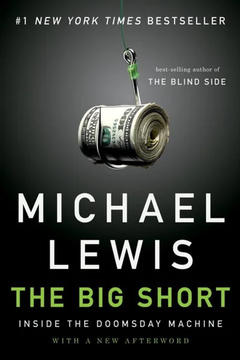
Michael Lewis
Best for: Curious general readers who want to understand how the 2008 financial crisis actually happened — told through the vivid, character-driven stories of the contrarian traders who saw it coming — without needing any prior background in finance.
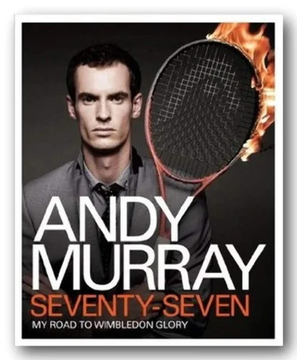
Andy Murray
Best for: Andy Murray fans and British sports biography readers who want an immersive, first-person account of the historic 2012–2013 period that ended a 77-year wait for a British men's Wimbledon champion.
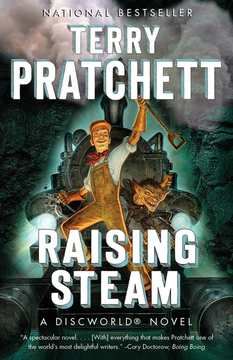
Terry Pratchett
Best for: Long-term Discworld readers who have followed Moist von Lipwig through Going Postal and Making Money, and who want to watch Ankh-Morpork cross the irreversible threshold into the industrial age — with all the political weight and elegiac resonance that carries given its place as the penultimate novel in Pratchett's series.
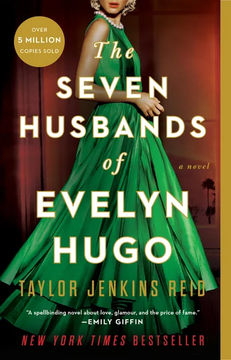
Taylor Jenkins Reid
Best for: Readers who love morally complex, plot-driven historical fiction with LGBTQ+ themes and a glamorous Old Hollywood setting — particularly those who enjoy compulsive, binge-worthy narratives built around a charismatic, deeply secretive protagonist.
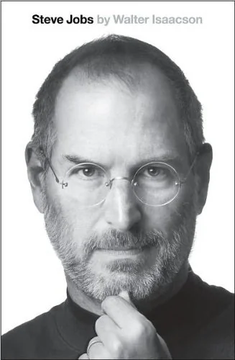
Walter Isaacson
Best for: Readers drawn to business history, technology, or biography who want the most comprehensively sourced portrait of Steve Jobs available — particularly those curious about the psychology of creative leadership and how a single personality reshaped multiple industries.
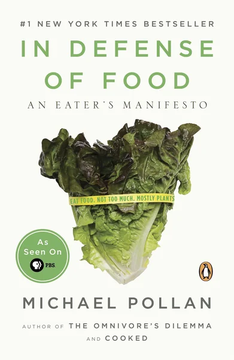
Michael Pollan
Best for: Readers who feel confused or overwhelmed by the ever-shifting landscape of dietary advice and want a clear, historically grounded framework for eating — without calorie-counting or nutritional jargon.
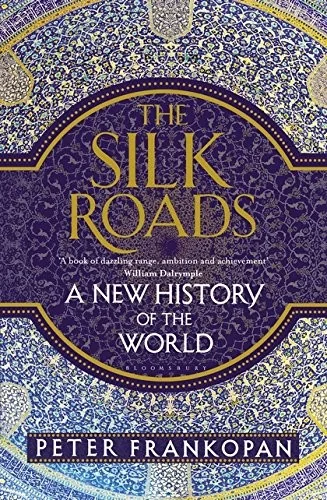
Peter Frankopan
Best for: Historically curious general readers who find the conventional Western-centric narrative of world history unsatisfying and want a sustained, accessible argument for why Central Asia, the Middle East, and the Silk Roads — not the Mediterranean — have been the true engine of civilisation.
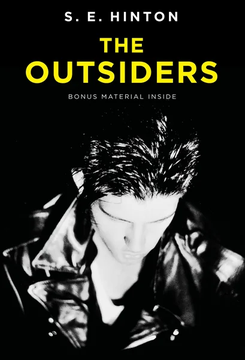
S. E. Hinton
Best for: Middle- and high-school readers — and adults revisiting their school years — who want a short, emotionally honest coming-of-age story about class, loyalty, and identity that still feels urgent decades after it was written.
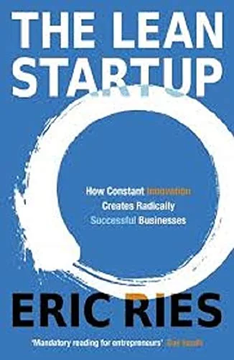
Eric Ries
Best for: Founders, product managers, and intrapreneurs who need a structured, repeatable methodology for launching and iterating on new products under uncertainty — particularly those working in tech or knowledge-based industries where rapid prototyping is feasible.
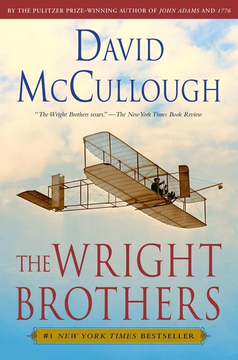
David McCullough
Best for: General readers drawn to American history and innovation who want a rigorously researched but accessible narrative — particularly those coming to the Wright brothers' story for the first time and who appreciate McCullough's humanising, family-centred approach to popular history.
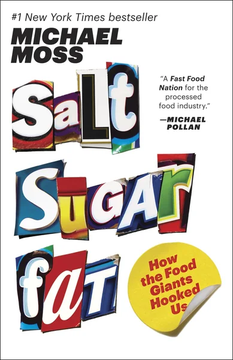
Michael Moss
Best for: Readers drawn to corporate accountability journalism and public health — particularly those who want a rigorously sourced, named-source investigation into how Kraft, Frito-Lay, Nestlé, Coca-Cola, and their peers deliberately engineered processed food to override human self-regulation.
Yuval Noah Harari
Best for: Intellectually curious general readers who want a single, coherent framework for understanding how Homo sapiens came to dominate the planet — from prehistoric origins through empire, capitalism, and the threshold of a post-human future — and who bring no prior background in history, biology, or economics.
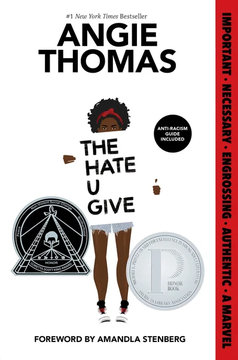
Angie Thomas
Best for: High school readers and adults drawn by the film or cultural conversation who want a character-driven story that tackles race, code switching, and systemic injustice through one teenager's specific grief and choices rather than through abstraction.
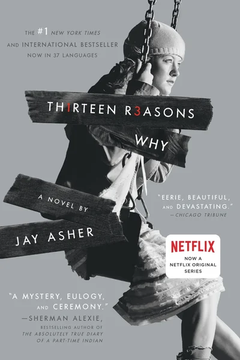
Jay Asher
Best for: Teenage readers and educators looking for a structurally inventive, conversation-starting novel about the ripple effects of social cruelty, bullying, and indifference on a young person's life — best approached with a discussion framework in place.
