7 min read
Share This Review
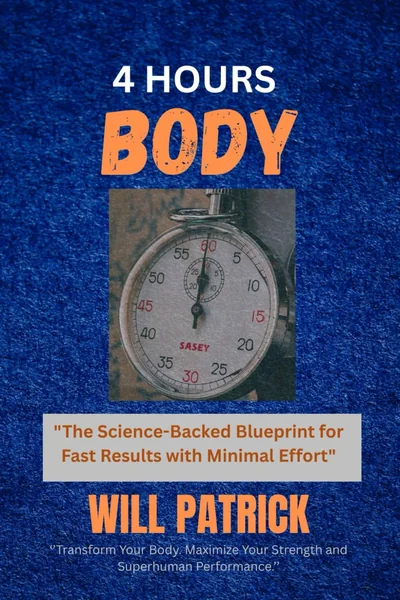
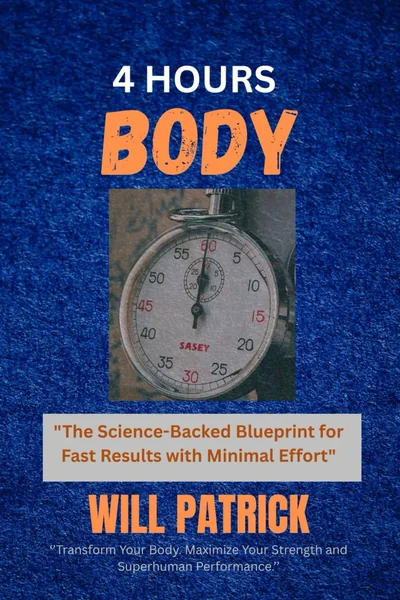
The 4-Hour Body by Will Patrick Review: Efficient Fitness Blueprint for Time-Pressed Readers
Will Patrick's independently published fitness guide positions itself as a science-backed antidote to punishing workout culture, organizing both exercise protocols and meal planning around the concept of "minimum effective dose." The book earns a 3.5/5 from LuvemBooks' editorial review — a solid, practical resource for beginners and intermediate trainees, though the "minimal effort" framing in its subtitle may oversell the commitment that sustainable physical transformation genuinely demands.
 Tap to enlarge
LuvemBooks Verdict
Best for
Busy beginners and intermediate trainees who want a single, evidence-informed framework that integrates both training and nutrition without overwhelming them with jargon or complexity.
Worth it if
You're time-constrained, new to evidence-based fitness, and want a unified system that addresses both exercise and meal planning in one place — particularly if you've previously burned out on extreme programmes.
Skip if
You're an advanced trainee, competitive athlete, or anyone with sport-specific performance goals, or if the promise of "minimal effort" is what's drawing you in — the protocols demand genuine, consistent commitment regardless of how efficiently they're designed.
What readers & critics say
LuvemBooks notes that Patrick's approach "works well for beginners and intermediate trainees," with the protocols reducing the barrier to entry and aiming to break the typical boom-bust cycle of extreme fitness programmes, while advanced trainees may find them insufficient for continued progression (luvembooks.com). No broader critical consensus from major outlets was available in retrieved sources.
Sources: LuvemBooksAsk LuvemBooks
Was this helpful?
- Is it worth reading?
- For its intended audience — busy beginners and intermediate trainees who want an evidence-informed, unified approach to training and nutrition — the LuvemBooks editorial assessment finds the book a solid and practical resource. The minimum effective dose framework genuinely helps people who have historically either overdone it and burned out or underdone it and stalled. The main caveat is that the "minimal effort" subtitle sets an expectation the content cannot fully honour: real, consistent commitment is still required, and advanced trainees or competitive athletes will likely find the protocols insufficient for their goals.
- Who should read this?
- The book is most honestly recommended to busy beginners and intermediate trainees who want an evidence-informed starting point that integrates both training and nutrition without overwhelming them. It is particularly well-suited to people who have previously fallen into the boom-bust cycle of extreme fitness programs and are looking for a more sustainable, structured approach. It is not for competitive athletes, experienced lifters, or readers who need progressive, sport-specific programming — that audience will find the protocols insufficient for continued advancement.
- Similar books
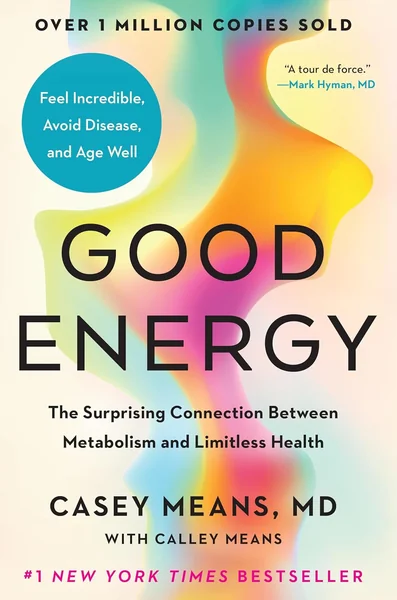
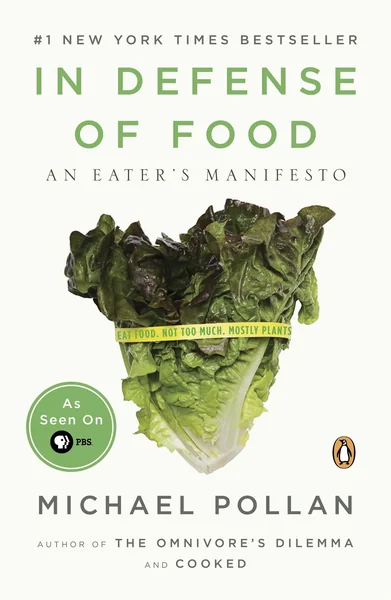
- Readers drawn to Patrick's evidence-based, efficiency-first approach will find strong companions in the curated selection below. Mark Rippetoe's Starting Strength: Basic Barbell Training offers a similarly beginner-oriented, principle-driven framework focused on foundational barbell movements. Peter Attia MD's Outlive: The Science and Art of Longevity shares the commitment to rigorous physiological science while broadening the lens to long-term health and longevity. For the nutritional side, Jason Fung's The Obesity Code: Unlocking the Secrets of Weight Loss digs into metabolic science in an accessible way, and Michael Pollan's In Defense of Food: An Eater's Manifesto offers a complementary, no-nonsense philosophy around eating. Casey Means MD and Calley Means' Good Energy: The Surprising Connection Between Metabolism is another strong pairing for readers interested in the metabolic underpinnings of physical performance.
- What are the book's main limitations?
- The most significant limitation, as identified by the LuvemBooks review, is embedded in the subtitle itself: the phrase "minimal effort" overpromises. Sustainable physical transformation — however efficiently the protocols are designed — requires genuine, consistent commitment and real behavioural change, and readers drawn in by a promise of low effort may find the reality more demanding than the cover implies. Beyond that, the minimum effective dose model is not calibrated for advanced trainees: athletes and experienced lifters with sport-specific performance goals or the need to break through established plateaus will find the approach insufficient.
- How credible are the science claims?
- The LuvemBooks editorial assessment finds the science integration meaningful rather than merely decorative: Patrick grounds recommendations in physiological concepts such as muscle protein synthesis and metabolic adaptation, and the review notes he explains the science rather than just citing it. The book earns its "science-backed" subtitle for beginners and intermediate readers, though the review stops short of endorsing it as a reference for advanced exercise science — its primary contribution is making established research accessible, not advancing new findings.
- Is this a good book club pick?
- The 4-Hour Body could work well for a health and wellness-focused reading group, particularly one whose members are at varied fitness experience levels — the tension between the book's efficiency promise and the reality of sustained effort is itself a productive discussion point. The unified training-plus-nutrition framework also lends itself to shared accountability, where members can trial the protocols together. That said, the book is more practical manual than narrative-driven read, so groups expecting rich thematic discussion may find it better suited to a challenge format than a traditional literary book club.
Summarize this book
Follow up
Synthesized from verified book data & published reviews · How we review
Press Enter to ask. Answers come from our editorial Q&A — start typing to see related questions.
Age & Reading Level
Recommended age
Adult
Reading level
Adult
who it suits
Skip if you're an advanced athlete or competitive lifter looking for progressive, sport-specific programming.
Our Review
What the Book Is and What It Argues

Its Place in the Fitness Landscape
Genuine Strengths
Limitations and Who May Be Frustrated
Who This Book Is For
Sources & Further Reading
The key facts and claims in this review are grounded in the retrieved, verified sources listed below.
- 1
luvembooks.com
Books like The 4-Hour Body
Curated picks for readers who enjoyed The 4-Hour Body, with our reasoning for each match.
If you liked The 4-Hour Body