

9 min read
4.4
· 28,312 Amazon ratingsShare This Review
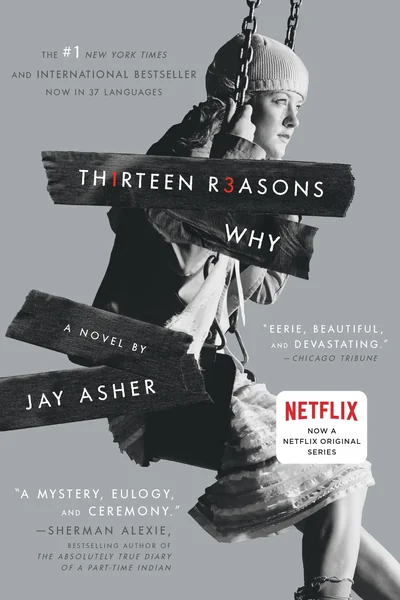
Thirteen Reasons Why by Jay Asher Review: A Haunting Young Adult Novel About Teen Grief
Thirteen Reasons Why is a young adult novel by Jay Asher, first published in 2007, that follows Clay Jensen as he listens to a series of cassette tapes left behind by his deceased classmate Hannah Baker, each one naming one of the thirteen people she holds responsible for her suicide. The novel became a New York Times bestseller and a widely discussed — and debated — touchstone of contemporary young adult fiction, later adapted as a Netflix original series.
LuvemBooks Verdict
Best for
Teenage readers and educators looking for a structurally inventive, conversation-starting novel about the ripple effects of social cruelty, bullying, and indifference on a young person's life — best approached with a discussion framework in place.
Worth it if
You're drawn to propulsive dual-narrative storytelling that forces genuine self-reflection about how everyday actions affect others, and you're prepared to engage thoughtfully with its unresolved and debated framing of suicide.
Skip if
You're looking for a straightforward, uncomplicatedly redemptive story about grief and loss, or you have concerns about consuming content that mental health advocates have criticised for potentially modelling a harmful narrative around suicide.
What readers & critics say
Kirkus Reviews awarded the novel a starred review and Editor's Choice, with theguardian.com describing it as "mysterious" and "eerie" while also calling it "hard hitting and powerful," noting the dual narration gives the story balance. Wikipedia's overview records it as a New York Times bestseller for over three years and the third-most banned book in the United States between 2010 and 2019, reflecting both its extraordinary reach and the sustained controversy over its depiction of suicide.
“Mysterious, eerie yet hard hitting and powerful — the dual narration gives the story real balance.”
— The Guardian“Her pain is gut-wrenchingly palpable — a very intimate feel as Hannah explains herself.”
— Kirkus ReviewsAge & Reading Level
Recommended age
Ages 12–18
Reading level
Young adult
3 content notes · who it suits
Content to know about
Best for: Ages 14+ — the novel's central depiction of suicide and its framing as a directed message, along with themes of sexual assault and social cruelty, carry significant emotional and thematic weight beyond what the publisher's listed reading age of 10–13 suggests; parental guidance or structured discussion is widely recommended by educators.
Skip if you're looking for a straightforward, redemptive story about grief without unresolved moral complexity.
In This Review
- What Works & What Doesn't
- What the Novel Is and What It Contains
- Place in the Genre and Cultural Footprint
- Narrative Strengths the Sources Document
- The Controversy and Genuine Limitations
- Who This Book Is Designed For and How It Reads Today
What Works & What Doesn't
What Works
- Structurally inventive dual-narrative — Hannah's cassette-tape voice and Clay's real-time reactions provide documented balance and momentum
- Kirkus Reviews awarded it a starred review and Editor's Choice; critics called it impossible to put down
- A New York Times bestseller that has been translated into 35 languages, reflecting broad and sustained readership
- Addresses concrete social pressures — cruelty, reputational harm, broken trust — through specific named events rather than vague themes
- Credited by Guardian reviewers as prompting genuine self-reflection in readers about how their actions affect others
What Doesn't
- Its depiction of suicide has drawn sustained criticism from mental health advocates and educators, contributing to it becoming one of the most banned books in the United States between 2010 and 2019
- The framing of Hannah's death as a directed message to those who wronged her is a subject of ongoing, unresolved debate about responsible storytelling around suicide
- The subject matter and thematic weight make it a book many educators and parents approach with structured discussion rather than independent reading alone
What the Novel Is and What It Contains
Place in the Genre and Cultural Footprint
Narrative Strengths the Sources Document
The Controversy and Genuine Limitations
Who This Book Is Designed For and How It Reads Today
Frequently Asked Questions
Sources & Further Reading
The key facts and claims in this review are grounded in the retrieved, verified sources listed below.
- Cited in this review
- 1
- 2
publishersweekly.com
- 3
- Further reading
- 4
Jay Asher, Wikipedia
- 5
- 6
en.wikipedia.org
- 7
thischickreads.com
- 8
- 9
barnesandnoble.com
Related Reviews
Reviews of books we picked for readers who enjoyed Thirteen Reasons Why.
Reader Comments
No comments yet
Be the first to share your thoughts!