8 min read
4.6
· 113 Amazon ratingsShare This Review
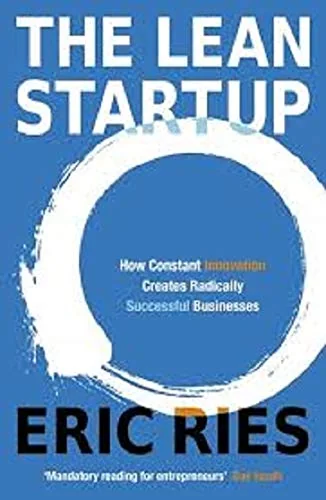
The Lean Startup by Eric Ries Review: A Foundational Business Methodology Manual
Eric Ries's business book The Lean Startup introduced a framework — built on rapid prototyping, validated learning, and iterative product releases — that has since sold over one million copies, been translated into more than thirty languages, and become required reading in entrepreneurship programs worldwide. This review covers the book's content and published reception; as a functional methodology guide, its real-world effectiveness is best evaluated through direct application.
LuvemBooks Verdict
Best for
Founders, product managers, and intrapreneurs who need a structured, repeatable methodology for launching and iterating on new products under uncertainty — particularly those working in tech or knowledge-based industries where rapid prototyping is feasible.
Worth it if
You are building or managing a new product or innovation initiative and want a practitioner-oriented framework — grounded in lean manufacturing and agile development — for testing assumptions quickly, reducing waste, and making disciplined pivot-or-persevere decisions.
Skip if
You work in a heavily regulated industry, a field with prohibitively high prototyping costs, or an academic context requiring peer-reviewed empirical support — in those cases, the framework's documented limitations are likely to outweigh its utility.
What readers & critics say
Wikipedia notes the book outlines a methodology that prioritizes rapid prototyping, validated learning, and iterative product releases, drawing on lean manufacturing and agile development. The winchellhouse.com review highlights the "Build-Measure-Learn" cycle as the book's central and most actionable idea, emphasizing its continuous, feedback-driven approach to product evolution.
Sources: Wikipedia, Winchell HouseAsk LuvemBooks
Was this helpful?
- Is it worth reading?
- For its target audience — founders, product managers, and intrapreneurs — The Lean Startup earns its status as a standard classroom and boardroom text. It debuted at #2 on The New York Times Best Sellers list in 2011, surpassed one million copies sold, and a 2020 Harvard Business Review article described it as having become 'a bible for business practitioners.' The caveat is real: Wharton professor Ethan Mollick has raised concerns about applying the framework to novel technologies where users don't yet know what they want, and a 2019 The Conversation article identified high-prototyping-cost industries and inexperienced teams as poor fits. For the right reader, though, the book's combination of conceptual rigor and practitioner-oriented prose makes it a genuinely useful starting point.
- Similar books
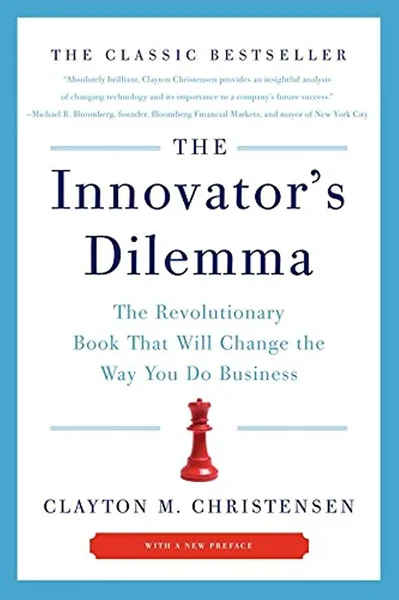
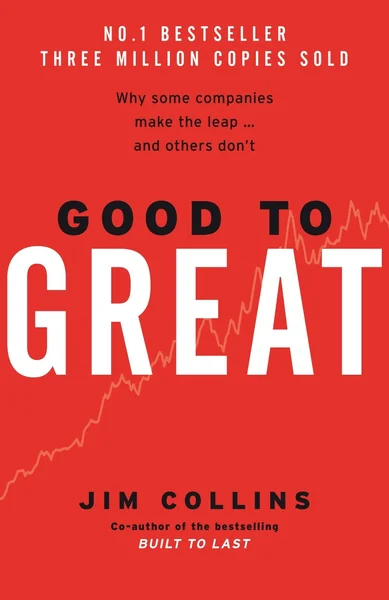
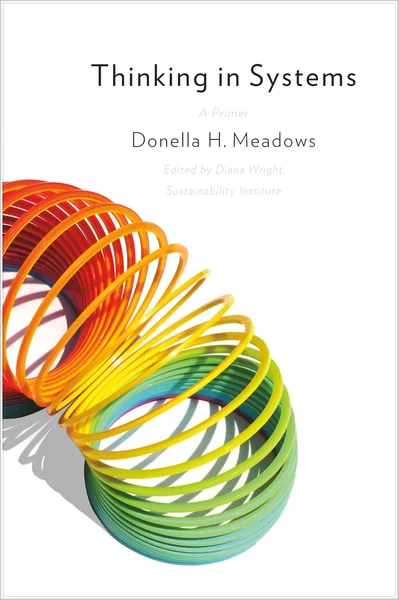
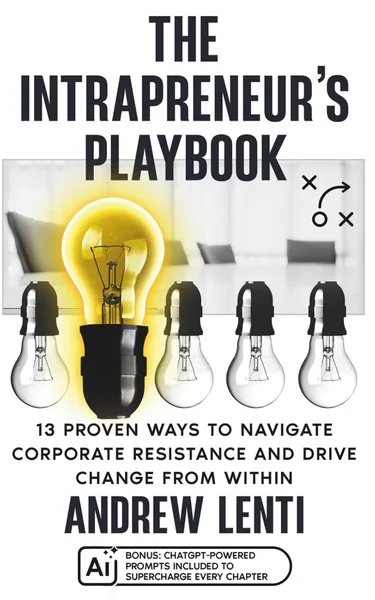
- Readers who responded to The Lean Startup's framework-driven approach will find strong company in the curated titles below. Clayton Christensen's The Innovator's Dilemma examines how established organizations struggle to respond to disruptive innovation — a natural complement to Ries's startup-centric view. Jim Collins's Good to Great offers a data-driven investigation into what separates enduring companies from average ones. For those interested in systemic thinking as applied to organizations, Donella H. Meadows's Thinking in Systems provides foundational tools. Andrew Lenti's The Intrapreneur's Playbook addresses the related challenge of driving innovation inside large corporations, while James Sinclair's Starting a StartUp targets early-stage founders directly.
- Who should read this?
- The Lean Startup is designed primarily for founders, product managers, intrapreneurs, and anyone responsible for bringing a new product or service to market under uncertainty. The review also identifies a natural fit with readers who prefer methodology-driven business books — those offering a repeatable system rather than a collection of anecdotes. Those in industries with high prototyping costs, heavily regulated fields where iterative public testing is constrained, or academic readers seeking peer-reviewed support for the model will find the framework's limits more pronounced. It has also become required reading in entrepreneurship programs worldwide, making it relevant for students of business and innovation.
- About Eric Ries
- Eric Ries is an American entrepreneur, blogger, and author of The Lean Startup, a book on the lean startup movement.
- What are the key concepts?
- The Lean Startup is built on three interlocking practices: building a minimum viable product (MVP) to test assumptions with real users as quickly as possible, using validated learning — testing real hypotheses before committing significant resources — to guide decisions, and releasing products iteratively rather than executing a fixed long-term business plan. The framework also places particular emphasis on the pivot-or-persevere decision, treating it as a disciplined, data-driven choice. Underpinning all of this is a reframing of startup success as a process of disciplined experimentation rather than visionary certainty, drawing on lean manufacturing and agile development for conceptual grounding.
- What are the main criticisms?
- Academic reception of The Lean Startup is mixed. Wharton professor Ethan Mollick has raised concerns about the framework's reliance on early customer input when novel technologies are involved — in those cases, users may not yet know what they want, making feedback potentially misleading rather than guiding. He also noted limitations in associated tools such as the business model canvas. Researchers Bocken and Snihur have argued that the process of experimentation the methodology prescribes remains under-studied, pointing to a gap between its practitioner appeal and its empirical foundations. A 2019 The Conversation article further identified three scenarios where the model is poorly suited: industries with prohibitively high prototyping costs, situations where testing costs outweigh the benefits, and teams that lack the experience needed to interpret experimental results accurately.
- Is it used in business schools?
- Yes — a 2019 article in The Conversation noted that The Lean Startup quickly became a foundational work in entrepreneurship classes, and a 2025 article in the same publication observed that the book has been used by millions of entrepreneurs around the world. Its sales surpassing one million copies and translation into more than thirty languages reflect a reach that extends well beyond academic settings into startup communities and boardrooms globally. A 2020 Harvard Business Review article described it as having become 'a bible for business practitioners.'
Summarize this book
Follow up
Synthesized from verified book data & published reviews · How we review
Press Enter to ask. Answers come from our editorial Q&A — start typing to see related questions.
Age & Reading Level
Recommended age
Adult
Reading level
Adult
who it suits
Skip if you want an empirically validated, peer-reviewed framework rather than a practitioner-oriented methodology guide.
Our Review
What the Book Actually Argues
Significance and Cultural Reach
Genuine Strengths
Limitations and Critiques
Who This Book Is For
Sources & Further Reading
The key facts and claims in this review are grounded in the retrieved, verified sources listed below.
- Cited in this review
- 1
- 2
winchellhouse.com
- Further reading
- 3
Eric Ries, Wikipedia
- 4
en.wikipedia.org
- 5
ia800509.us.archive.org
- 6
- 7
- 8
- 9
tylerdevries.com
Books like The Lean Startup
Curated picks for readers who enjoyed The Lean Startup, with our reasoning for each match.
If you liked The Lean Startup