Our reviews
1,017 books, each with who it's for, who should skip it, reading level and content notes, and every source we used.
152 reviews match
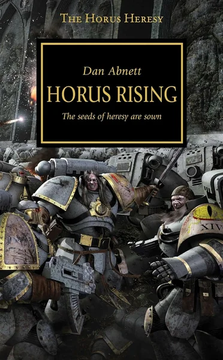
Dan Abnett
Best for: Readers new to Warhammer 40,000 who want a character-driven, novelistic entry point into the lore, as well as committed fans of long-form military science fantasy willing to invest in a 54-book saga with genuine thematic depth.
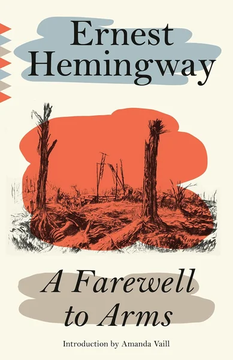
Ernest Hemingway
Best for: Students, first-time readers of Hemingway, and general readers building a shelf of canonical American fiction who will benefit from Amanda Vaill's contextual introduction in this 2025 Vintage Classics edition.
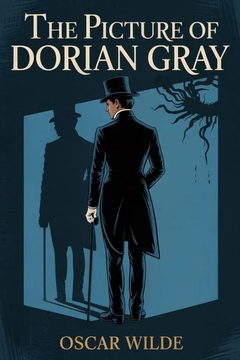
Oscar Wilde
Best for: Readers drawn to ideas as much as plot — particularly those interested in Gothic fiction, Victorian literature, or philosophical horror — who want a richly layered novel that works simultaneously as moral fable, aesthetic manifesto, and supernatural tale.
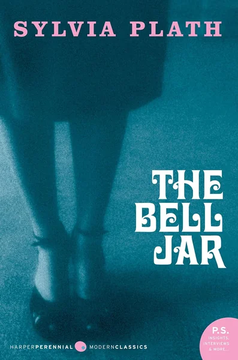
Sylvia Plath
Best for: Readers drawn to confessional literature, mid-century American fiction, or first-person psychological narratives who want a novel that functions simultaneously as a feminist critique of 1950s societal expectations and a raw, roman à clef account of a young woman's breakdown and recovery.
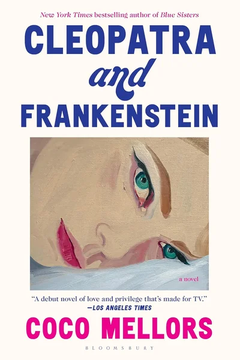
Coco Mellors
Best for: Readers drawn to emotionally charged relationship fiction set against a vividly rendered urban backdrop — especially those who loved Sally Rooney's Conversations with Friends and want a novel that treats addiction, grief, and marital unravelling with candor rather than sentimentality.
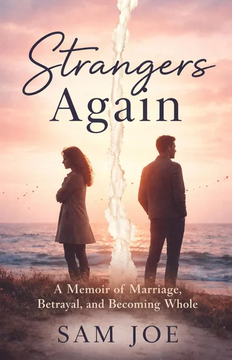
Sam Joe
Best for: Readers navigating or reflecting on marital betrayal and the interior work of rebuilding a sense of self, particularly those who gravitate toward independent voices and compact, unmediated first-person memoir forms.
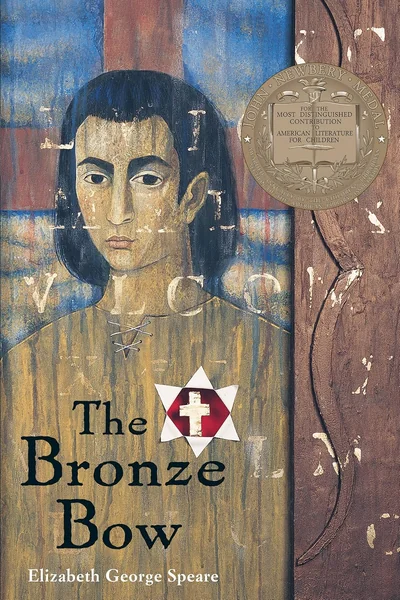
Elizabeth George Speare
Best for: Middle-grade readers aged ten and up — particularly those in grades five through seven — who are drawn to character-driven historical fiction exploring the psychological cost of hatred, revenge, and moral transformation against the backdrop of Roman-occupied first-century Galilee.
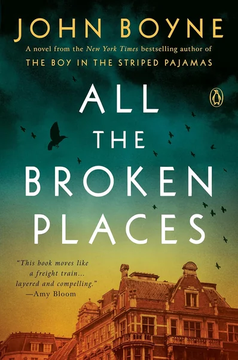
John Boyne
Best for: Readers of serious Holocaust fiction who are drawn to perpetrator-adjacent moral perspectives, particularly those already familiar with The Boy in the Striped Pyjamas and interested in exploring questions of complicity, generational guilt, and late-in-life reckoning across a dual-timeline narrative.
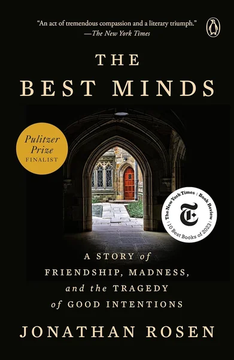
Jonathan Rosen
Best for: Readers drawn to literary memoir that works simultaneously as cultural history — particularly those interested in mental illness, American meritocracy, the limits of friendship, and the policy failures of late twentieth-century deinstitutionalization.
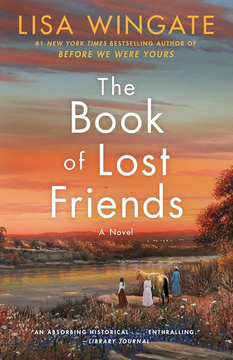
Lisa Wingate
Best for: Readers drawn to American history beyond the standard Civil War canon — particularly teachers, book clubs, and fans of Lisa Wingate's Before We Were Yours — who want an emotionally driven, dual-timeline story rooted in the real, underrepresented history of post–Civil War "Lost Friends" newspaper advertisements.
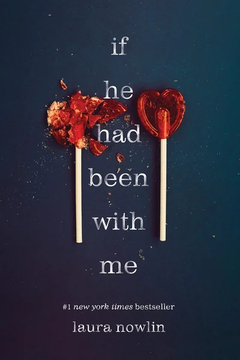
Laura Nowlin
Best for: Teenage and young adult readers who love slow-burn romances rooted in long childhood friendship and are drawn to emotionally internal, coming-of-age stories that take mental health and identity seriously.
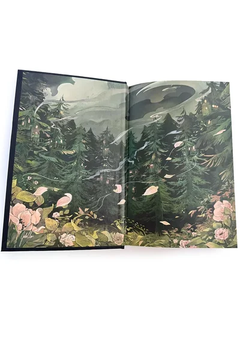
Devney Perry
Best for: Readers who love epic romantasy in the vein of Sarah J. Maas and Rebecca Yarros — specifically those who want a monster-populated fantasy world, a slow-burn enemies-to-lovers central romance, and a princess-rising-to-power arc spread across a planned trilogy.
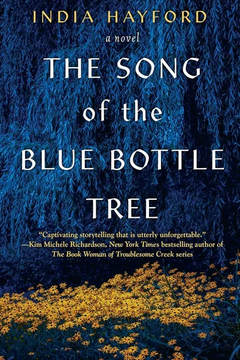
India Hayford
Best for: Readers who love literary Southern Gothic — particularly fans of Delia Owens or Barbara Kingsolver — and want a debut rooted in genuine place-knowledge, folk magic, and a protagonist whose entire life has been lived outside conventional belonging.
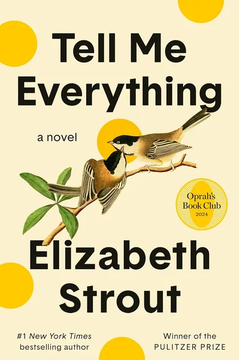
Elizabeth Strout
Best for: Readers already invested in Elizabeth Strout's Amgash/Crosby, Maine universe — particularly fans of Olive Kitteridge, Lucy Barton, or Bob Burgess — who will find the long-awaited convergence of these characters a genuine and emotionally weighty literary event.
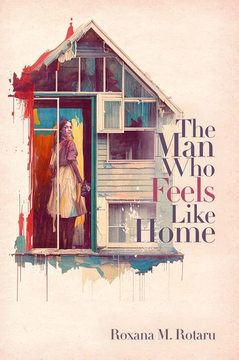
Roxana Rotaru
Best for: Readers who enjoy introspective, character-driven romantic fiction and are drawn to coming-of-age stories that honestly examine what makes a relationship healthy, compatible, and genuinely comforting.
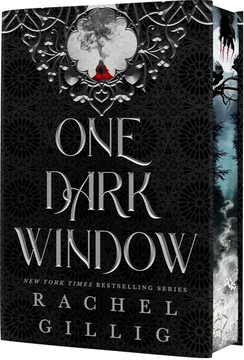
Rachel Gillig
Best for: Readers drawn to lushly gothic, atmosphere-first dark fantasy — especially those who loved Naomi Novik's Uprooted — who want a psychologically complex protagonist, a magic system with genuine moral weight, and a completed duology they can binge straight through to its conclusion.
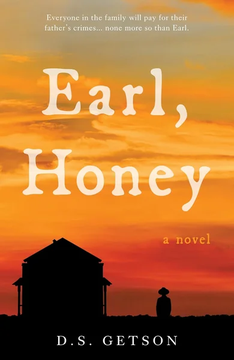
D S Getson
Best for: Readers drawn to Southern Gothic coming-of-age fiction who want a historically grounded story of family trauma, redemption, and moral weight — particularly those who respond to prose-driven narratives rooted in real events rather than genre invention.
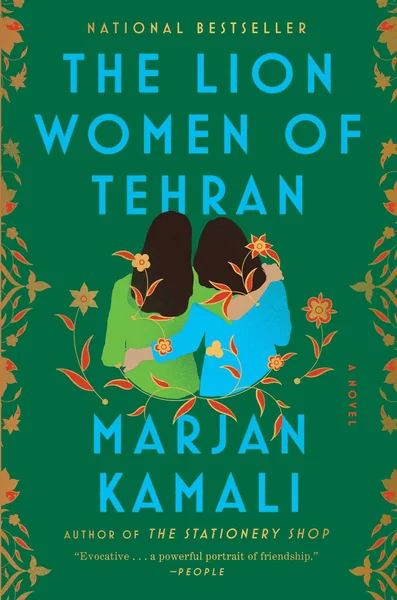
Marjan Kamali
Best for: Readers who love sweeping, historically grounded friendship sagas — particularly those drawn to modern Iranian history and women's resistance narratives — who responded to Kamali's earlier The Stationery Shop and are ready to invest in a seven-decade story.
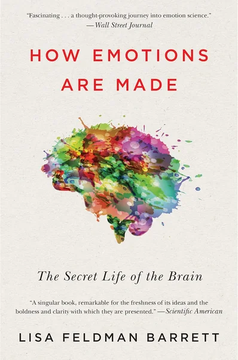
Lisa Barrett
Best for: Curious, educated lay readers — as well as researchers, clinicians, and professionals in law, psychiatry, or education — who want a fully developed, research-grounded account of what contemporary affective neuroscience actually says about how emotions work, rather than what popular culture has long assumed.
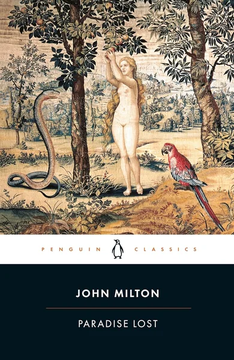
John Milton
Best for: Students, first-time readers seeking scholarly support, and returning readers who want to engage seriously with one of the greatest and most demanding poems in the English language — particularly in this Penguin Classics edition with John Leonard's editorial introduction and apparatus.
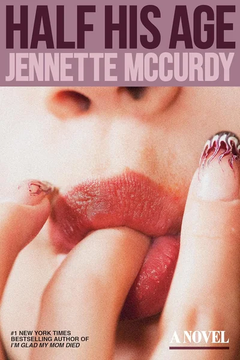
Jennette McCurdy
Best for: Readers drawn to female-interiority fiction built around rage, desire, and moral ambiguity — particularly fans of McCurdy's memoir I'm Glad My Mom Died who want to follow her into literary fiction on similarly uncomfortable emotional terrain.
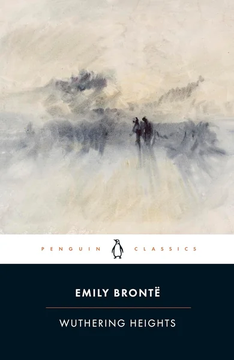
Emily Brontë, Pauline Nestor
Best for: Students, serious general readers, and anyone returning to Wuthering Heights who wants scholarly grounding — Pauline Nestor's introduction and Lucasta Miller's preface make this edition especially well-suited to academic and classroom contexts.
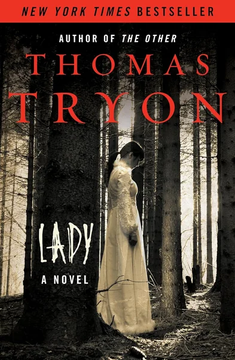
Thomas Tryon
Best for: Readers who love immersive 1930s American small-town atmosphere and character-driven storytelling, and who are willing to invest in a slow, patient build-up for a genuinely surprising and emotionally resonant payoff at the close.
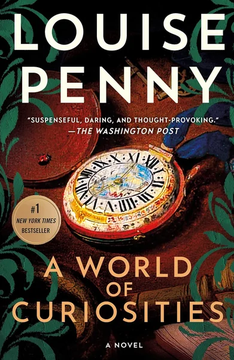
Louise Penny
Best for: Devoted fans of the Gamache series who have followed Armand and Jean-Guy Beauvoir through all seventeen previous novels and are ready for the long-awaited, emotionally charged backstory of their partnership.
