

8 min read
Share This Review
Lady: A Novel by Thomas Tryon Review: A Slow-Burn Small-Town Drama with a Dark Twist
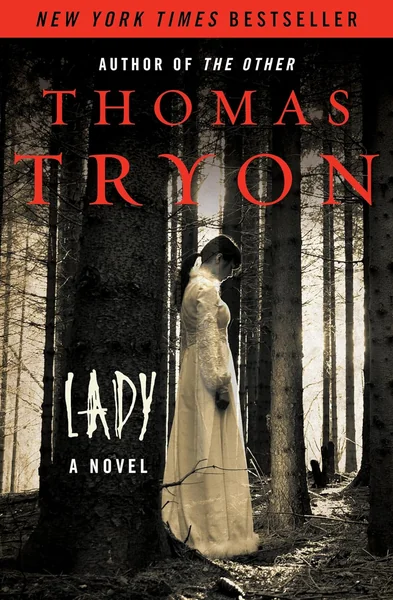
Thomas Tryon's Lady is the third novel set in the fictional Connecticut village of Pequot Landing, following the New York Times bestseller The Other and Harvest Home. Narrated through the adoring eyes of a boy named Woody, it unspools as an unhurried portrait of 1930s American small-town life before pivoting to a deeply shadowed revelation about the elegant, mysterious Lady Harleigh. The novel sits in the tradition of richly atmospheric popular fiction — think Peyton Place and Kings Row — and rewards patient readers willing to let Tryon build his slow crescendo toward its genuinely surprising close.
LuvemBooks Verdict
Best for
Readers who love immersive 1930s American small-town atmosphere and character-driven storytelling, and who are willing to invest in a slow, patient build-up for a genuinely surprising and emotionally resonant payoff at the close.
Worth it if
Worth reading if you can embrace an unhurried, nostalgia-rich pace for three-quarters of a novel, trusting that Tryon's carefully seeded foreshadowing will culminate in a dark, melodramatic revelation that earns its emotional gut-punch.
Skip if
Skip it if you're coming to Lady expecting the supernatural menace of The Other or Harvest Home, or if slow-burn domestic fiction without consistent tension tends to lose you before a late-arriving twist can land.
What readers & critics say
Kirkus Reviews at publication called the novel "rather uneventful (until the crowded close)," noting its nostalgic period texture while acknowledging the emotional payoff arrives very late; openroadmedia.com surfaces the Des Moines Register's blurb describing it as "a spellbinder with a twisted ending… You can't put it down," reflecting the more enthusiastic popular reception the book enjoyed on release and reissue.
“Tryon's rather uneventful (until the crowded close) novel is full of all those nostalgic fillers of the '30s — a copacetic stroll down memory lane.”
— Kirkus ReviewsAge & Reading Level
Recommended age
Adult
Reading level
Adult
2 content notes · who it suits
Content to know about
Skip if you want consistent supernatural tension or horror in the vein of The Other and Harvest Home.
Lady: A Novel by Thomas Tryon is Trending
Readers Rediscovering Thomas Tryon's Atmospheric Small-Town Mysteries
Thomas Tryon's quiet-but-unsettling brand of literary suspense is finding new readers again, likely thanks to renewed interest in his back catalog. If you liked The Other or Harvest Home, Lady is the natural next step — and it holds up.
Thomas Tryon has been getting fresh attention lately, with readers and researchers circling back to his work and legacy. His name has been popping up in conversations about classic American suspense fiction, and that renewed curiosity naturally pulls people toward titles like Lady — the third book in his Pequot Landing series and arguably his most emotionally layered.
Tryon built a small but devoted corner of literary horror with The Other and Harvest Home, both of which spent time on the New York Times bestseller list. Lady sits in that same world — the fictional Connecticut village of Pequot Landing — but trades outright dread for something slower and sadder. It's the kind of book that rewards readers who've already fallen for Tryon's voice and want more of it.
If you're coming to Lady fresh, know that it's less a thriller and more a melancholy coming-of-age story that earns its dark turn by making you care deeply first. It's a good entry point for readers who find gothic fiction a little too overwrought — Tryon keeps things grounded and human before he pulls the rug out.
In This Review
- What Works & What Doesn't
- What the Novel Is and What It Contains
- Atmosphere, Setting, and Period Detail
- The Structural Twist and Tryon's Craft
- Place in Tryon's Career and the Wider Genre
- Who This Novel Is For and Where It Falls Short
What Works & What Doesn't
What Works
- Carefully constructed slow-burn narrative with foreshadowing that holds up on reflection, rewarding attentive readers
- Rich, specific period detail from 1930s small-town America creates an immersive sense of place and era
- The central figure of Lady Harleigh is genuinely compelling — elegant, withheld, and ultimately tragic
- A Literary Guild selection that built on Tryon's track record as a New York Times bestselling author, with real popular pedigree
- Completes the Pequot Landing trilogy, offering readers a third distinct angle on Tryon's fictional Connecticut world
What Doesn't
- The novel's first three-quarters are deliberately unhurried — Kirkus Reviews called it 'rather uneventful (until the crowded close)', and readers expecting consistent tension may find the pacing slow
- Readers drawn in by Tryon's reputation from The Other and Harvest Home will find Lady largely absent of supernatural elements, making it a tonal departure from those works
- The climactic revelations carry a degree of melodrama that Kirkus placed closer to popular romance fiction than psychological suspense
- The emotional payoff, though real, arrives very late — patience is a genuine prerequisite
What the Novel Is and What It Contains
Atmosphere, Setting, and Period Detail
The Structural Twist and Tryon's Craft
Place in Tryon's Career and the Wider Genre
Who This Novel Is For and Where It Falls Short
Frequently Asked Questions
Sources & Further Reading
The key facts and claims in this review are grounded in the retrieved, verified sources listed below.
- Cited in this review
- 1
- 2
kirkusreviews.com
- 3
barnesandnoble.com
- Further reading
- 4
Thomas Tryon, Wikipedia
- 5
thriftbooks.com
- 6
app.thestorygraph.com
- 7
bookclubs.com
- 8
kindlenationdaily.com
- 9
openroadmedia.com
Related Reviews
Reviews of books we picked for readers who enjoyed Lady.
Reader Comments
No comments yet
Be the first to share your thoughts!