
9 min read
4.3
· 38,442 Amazon ratingsShare This Review
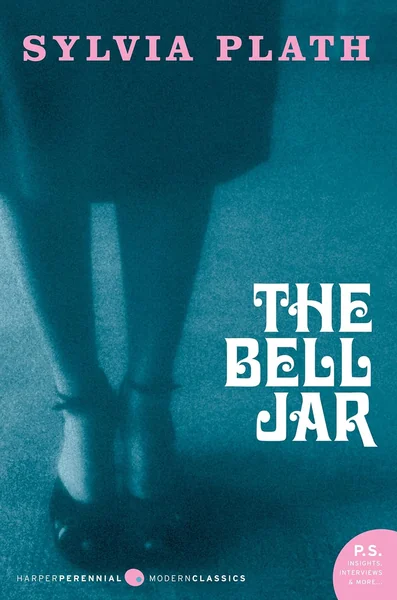
The Bell Jar by Sylvia Plath Review: A Searing, Enduring Psychological Classic
Sylvia Plath's only novel, The Bell Jar, follows nineteen-year-old Esther Greenwood from a promising summer internship in New York City into a harrowing descent through mental illness and institutionalization — a thinly veiled autobiography that became an instant bestseller in the United States and has since been translated into more than forty languages. First published in January 1963 under the pseudonym "Victoria Lucas," and later issued under Plath's real name, the novel endures as a landmark of psychological fiction and a defining coming-of-age text, praised by USA Today for its "perfectly wrought prose and the freshness of Plath's voice."
LuvemBooks Verdict
Best for
Readers drawn to confessional literature, mid-century American fiction, or first-person psychological narratives who want a novel that functions simultaneously as a feminist critique of 1950s societal expectations and a raw, roman à clef account of a young woman's breakdown and recovery.
Worth it if
You are ready to meet its unflinching emotional severity on its own terms — the prose is sardonic, precise, and genuinely distinctive, and the novel sustains both a feminist reading and a psychological one across more than six decades without resolving the tension between them.
Skip if
Readers seeking a gentler or more redemptive coming-of-age arc should approach with caution: the depictions of suicidal ideation, electroconvulsive therapy, and institutional psychiatry are rendered without softening, and the book's inescapable biographical shadow can make purely literary engagement difficult.
What readers & critics say
The Guardian, in its 100 Best Novels series, traces how the novel's early reception was damaged by its entanglement with Plath's suicide but notes it became a modern classic upon reissue under her own name, praising its "blistering" honesty. The New York Times called it "a fine novel, as bitter and remorseless as her last poems — the kind of book Salinger's Franny might have written about herself 10 years later, if she had spent those 10 years in Hell," while Britannica situates it as a thinly veiled autobiography that chronicles breakdown and recovery alongside a probing examination of societal expectations of women in the 1950s.
“Republished under Plath's own name in 1966, it became a modern classic — told with blistering honesty.”
— The GuardianAge & Reading Level
Recommended age
Ages 16+
Reading level
Adult
4 content notes · who it suits
Content to know about
Best for: Adults / mature 16+ — unflinching depictions of suicidal ideation, suicide attempt, electroconvulsive therapy, and psychiatric institutionalization rendered without softening
Skip if you're looking for a hopeful or redemptive coming-of-age story
In This Review
- What Works & What Doesn't
- What the Novel Actually Is and What It Contains
- Publication History and Cultural Significance
- Craft and Voice
- Themes and Societal Critique
- Who This Book Is For — and Where It Challenges
What Works & What Doesn't
What Works
- One of American literature's most celebrated and enduring psychological novels, translated into more than forty languages and named among Critics Novels
- USA Today credits 'the perfectly wrought prose and the freshness of Plath's voice' as the engine of the novel's lasting appeal
- Operates simultaneously as a coming-of-age narrative, a feminist critique of 1950s societal expectations, and a roman à clef — sustaining multiple readings across decades
- The Boston Globe has called it 'a coming-of-age masterpiece,' and its critical reputation has only solidified since its American debut as an instant bestseller in 1971
What Doesn't
- The unflinching depiction of suicidal ideation, electroconvulsive therapy, and psychiatric institutionalization — rendered without softening — makes this a demanding read that is not suited to every mood or moment
- The novel's tight biographical entanglement with Plath's own life and death means the text is rarely encountered outside that shadow, which can overshadow purely literary engagement with the story
What the Novel Actually Is and What It Contains
Publication History and Cultural Significance
Craft and Voice
Themes and Societal Critique
Who This Book Is For — and Where It Challenges
Frequently Asked Questions
Sources & Further Reading
The key facts and claims in this review are grounded in the retrieved, verified sources listed below.
- Cited in this review
- 1
en.wikipedia.org
- 2
literatibookstore.com
- Further reading
- 3
Sylvia Plath, Wikipedia
- 4
- 5
- 6
- 7
penguinbookshop.com
- 8
- 9
- 10
bookmarks.reviews
- 11
americanliterature.com
- 12
audible.com
Related Reviews
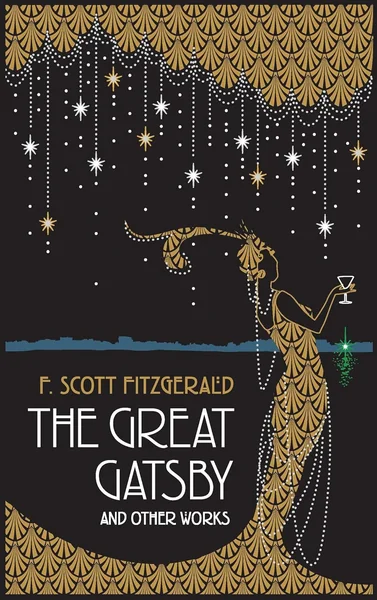
Reviews of books we picked for readers who enjoyed The Bell Jar.
Reader Comments
No comments yet
Be the first to share your thoughts!