Our reviews
1,017 books, each with who it's for, who should skip it, reading level and content notes, and every source we used.
1,017 reviews
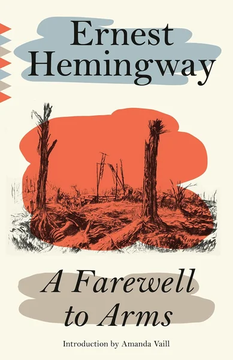
Ernest Hemingway
Best for: Students, first-time readers of Hemingway, and general readers building a shelf of canonical American fiction who will benefit from Amanda Vaill's contextual introduction in this 2025 Vintage Classics edition.
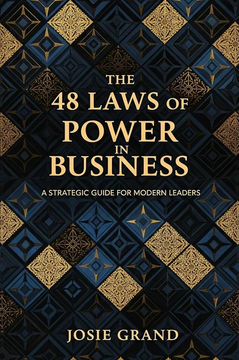
Josie Grand
Best for: First-time executives, entrepreneurs navigating investor relationships, and managers facing organizational politics who want a systematic, business-specific translation of the 48 Laws framework rather than a reading of Greene's original.
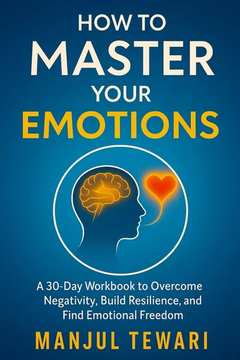
Manjul Tewari
Best for: Readers who prefer an active, pen-in-hand approach to personal development and respond well to consistent, time-bounded daily commitments — particularly those interested in applied positive psychology and everyday emotional patterns rather than clinical intervention.

Whitney Leigh Morris
Best for: Renters, urban dwellers, and anyone already living in or actively planning for a compact space — studio apartments, micro apartments, tiny houses, or small city homes — who want a dense, room-by-room toolkit of immediately actionable ideas rather than a conceptual design philosophy.
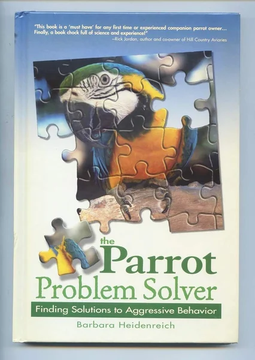
Barbara Heidenreich
Best for: Parrot owners already dealing with aggression, biting, or self-mutilation who want a science-grounded, credential-backed guide from a professional animal trainer rather than hobbyist advice.

Oscar Wilde
Best for: Readers drawn to ideas as much as plot — particularly those interested in Gothic fiction, Victorian literature, or philosophical horror — who want a richly layered novel that works simultaneously as moral fable, aesthetic manifesto, and supernatural tale.
James Sinclair
Best for: Early-stage founders — whether on company one or company five — who are pre-product and pre-revenue, serious about execution, and want a structured, validation-first process rather than startup motivation or inspiration.
Randall Wood
Best for: Dedicated Half a World series readers who have followed all seven preceding volumes and want to see Jake, Anna, and the Shepherds reach their convergent, saga-closing climax.
Casey Means, Calley Means
Best for: Readers who feel let down by conventional medicine and want a single, evidence-referenced framework — plus a concrete four-week action plan — for understanding how metabolic health connects to chronic symptoms like fatigue, mood instability, hormonal disruption, and weight resistance.

Susan Lumpkin, John Seidensticker
Best for: Wildlife educators, nature writers, and curious generalists — including engaged secondary-level students — who want a rigorous yet readable scientific grounding in rabbit biology, ecology, behavior, and conservation.
Larry Bossidy, Ram Charan, Charles Burck
Best for: Senior leaders, newly appointed managers, and business professionals who want a practitioner-grounded framework for closing the gap between strategy and results in large, hierarchically structured organisations.
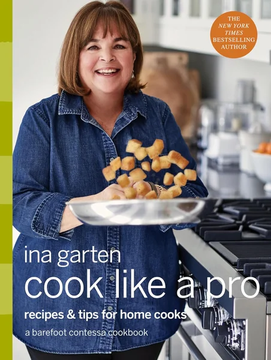
Ina Garten
Best for: Home cooks who already enjoy Ina Garten's Barefoot Contessa style and want to stretch their skills toward more ambitious, dinner-party-worthy dishes — without abandoning the warm, approachable sensibility they love.
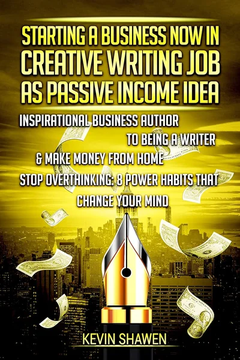
Kevin Shawen, Marco Elisei
Best for: Aspiring writers with no prior publishing experience who want a concise, habit-driven entry point into self-publishing and passive income on digital platforms like Amazon.
![[By Clea Shearer] The Home Edit by Clea Shearer and Joanna Teplin book cover](https://cdn.luvembooks.com/media/images/By_Clea_Shearer_The_Home_Edit_A_Guide_to_Org.max-360x360_R5Anphx.png)
Clea Shearer and Joanna Teplin
Best for: Readers who want a visually rich, room-by-room system for decluttering and organising their home and are drawn to the idea that organisation can also function as interior design.
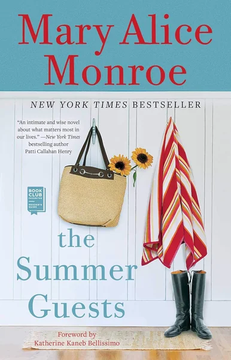
Mary Alice Monroe
Best for: Readers who love ensemble women's fiction with a strong sense of Southern place and a deep emotional investment in the human-animal bond — particularly fans of Elin Hilderbrand, Wendy Wax, or Monroe's own Beach House series looking for a propulsive, crisis-driven story about connection and renewal.
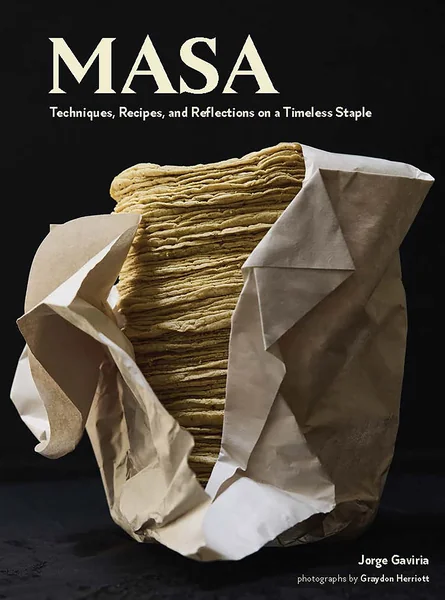
Jorge Gaviria
Best for: Serious home cooks, culinary professionals, and food-culture enthusiasts who want an authoritative, encyclopedic guide to masa — from its Mesoamerican origins and the science of nixtamalization through 50 recipes spanning tortillas to Tamal Gnocchi.

Meredith Baird, Katerina Schneider
Best for: Skeptical general readers — especially families — who want a single, consolidated wellness reference grounded in science rather than fads, covering everyday concerns like sleep, hydration, skin, gut health, and nutrition in one accessible volume.
Sylvia Plath
Best for: Readers drawn to confessional literature, mid-century American fiction, or first-person psychological narratives who want a novel that functions simultaneously as a feminist critique of 1950s societal expectations and a raw, roman à clef account of a young woman's breakdown and recovery.
Mark Roberge
Best for: Founders, Chief Revenue Officers, and early-stage investors in venture-backed SaaS companies who need a structured, metrics-based system for determining whether — and how fast — to scale sales, rather than relying on gut feel or investor timing pressure.
Mary Nhin
Best for: Readers seeking a motivationally framed, conversational entry point into the psychology of eating, snacking behavior, and body confidence — especially those drawn to the cultural language of self-image and "snack" identity.
Sam Silverstein
Best for: Readers who already recognise self-limiting excuse patterns in their own leadership, relationships, or daily life and want a concrete, low-barrier system — rather than a theoretical framework — for breaking that cycle.
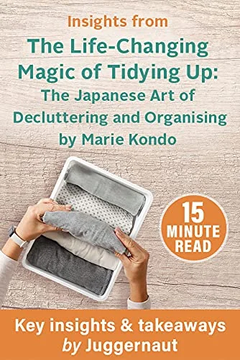
Juggernaut
Best for: Busy readers who want a rapid, high-level orientation to Marie Kondo's KonMari Method before deciding whether to commit to the full original book.
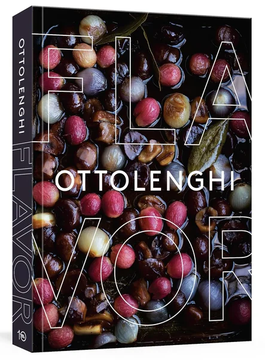
Yotam Ottolenghi, Ixta Belfrage, Tara Wigley
Best for: Curious, committed home cooks — vegetarian or not — who want to genuinely understand why vegetables taste the way they do and are ready to engage with a structured framework (process, pairing, produce) rather than simply follow a recipe list.
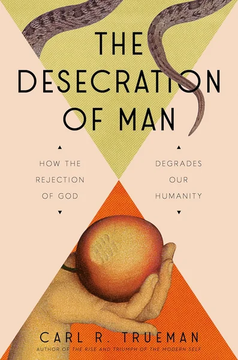
Carl Trueman
Best for: Pastors, theologians, and engaged Christian laypeople — especially those familiar with Trueman's earlier work — who want a tightly argued, theologically grounded diagnosis of modern culture's crisis of meaning rooted in the rejection of the imago Dei.
