7 min read
4.8
· 22 Amazon ratingsShare This Review
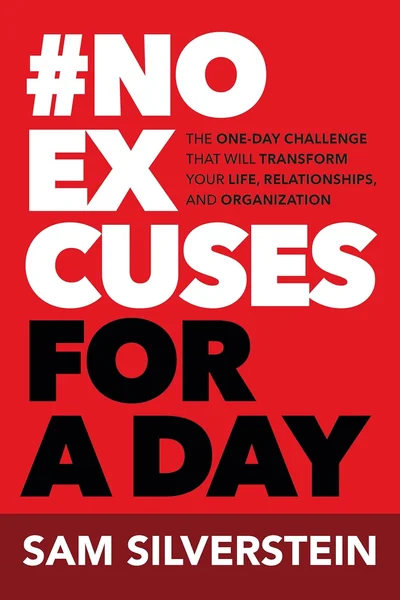
No Excuses for a Day by Sam Silverstein Review: A Practical Accountability Manifesto for Daily Growth
Sam Silverstein's No Excuses for a Day is a self-help manifesto built around a deceptively straightforward premise: spend a single day making zero excuses, observe the results, and repeat. Published by Sound Wisdom on April 15, 2026, the book is designed to guide readers through understanding why excuses form, how to recognize them in daily patterns, and how to replace them with accountability — spanning applications in leadership, relationships, and personal life.
LuvemBooks Verdict
Best for
Readers who already recognise self-limiting excuse patterns in their own leadership, relationships, or daily life and want a concrete, low-barrier system — rather than a theoretical framework — for breaking that cycle.
Worth it if
You're motivated to shift a habit of self-justification and want a structured, repeatable challenge with a defined method rather than open-ended motivational reading.
Skip if
You're looking for deep engagement with the psychological, systemic, or contextual dimensions of self-justification — the manifesto format deliberately prioritises mobilisation over nuance, and no single domain (leadership, relationships, personal life) receives extended specialist treatment.
Ask LuvemBooks
Was this helpful?
- Is it worth reading?
- For readers who are already motivated to break a pattern of self-limiting thinking and need a concrete entry point, No Excuses for a Day is a focused and purposefully actionable resource. The one-day framing is the book's most distinctive rhetorical move — it makes accountability feel accessible rather than daunting — and the structured progression from awareness to a defined system gives it more substance than a standard motivational read. The key caveat is that the manifesto format is not designed for nuanced engagement with systemic barriers, mental health factors, or contexts where personal accountability is genuinely constrained; readers seeking that depth will need supplementary material.
- Similar books
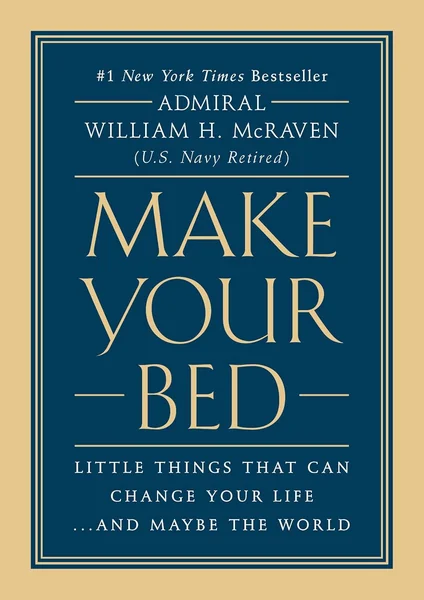
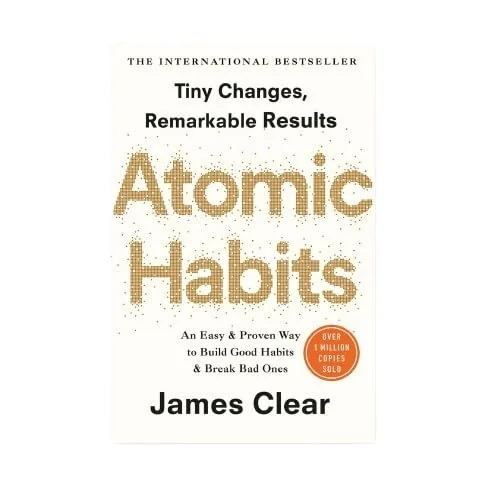
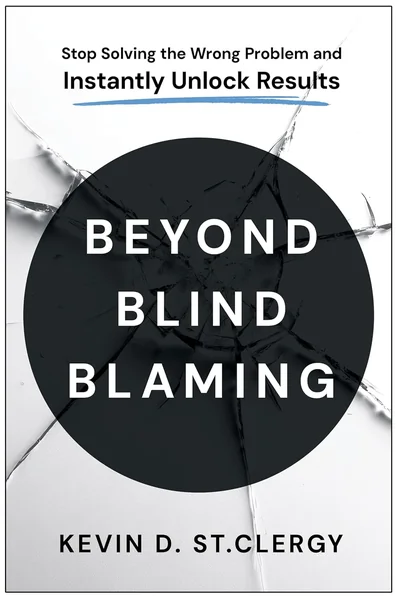
- Readers drawn to No Excuses for a Day will find strong company in several books on the hub's related shelf. James Clear's Atomic Habits shares the compounding-small-commitment logic — building meaningful change from repeatable, low-friction actions — and offers deeper behavioral science grounding. Admiral William H. McRaven's Make Your Bed operates in similar territory: a short, challenge-forward manifesto built on discipline and personal responsibility. Stephen R. Covey's The 7 Habits of Highly Effective People provides a broader, more structured framework for accountability across life and leadership, while Mel Robbins' The Let Them Theory approaches self-determination from the angle of releasing what you can't control. Kevin St.Clergy's Beyond Blind Blaming is also thematically adjacent, targeting the pattern of misplacing responsibility.
- Who should read this?
- No Excuses for a Day is built for readers who are already motivated to change a pattern of self-limiting thinking but need a concrete entry point and a repeatable system to act on that motivation. Silverstein specifically addresses individuals in leadership roles, people navigating personal relationships, and anyone who has recognized — as the publisher's description puts it — that they have 'heard someone make an excuse and knew instantly they were giving up on what really mattered,' then recognized the same habit in themselves. It is also a natural next step for readers already familiar with Silverstein's prior work on accountability, given its consistent focus and direct, challenge-forward approach.
- What are the main themes?
- The book's central themes are personal accountability, the hidden cost of excuse-making, and the power of a single repeatable daily commitment. Silverstein argues that excuses — including the ones that feel like valid reasons — quietly accumulate into a life that was never consciously chosen, and that interrupting this cycle for even one day begins building clarity and ownership. Broader themes include accountability in leadership, the relationship between self-justification and personal growth, and the principle that sustained behavioral change comes from small, compounding choices rather than wholesale transformation.
- Where should I start with Sam Silverstein?
- Sam Silverstein is a professional speaker and author with a career built around the theme of accountability, and No Excuses for a Day fits squarely within that body of work. The review notes it is consistent with his established approach — direct, challenge-forward, and oriented toward personal responsibility — making it a natural entry point for new readers and a coherent next step for those already familiar with his accountability-focused catalog. Readers new to Silverstein would find this book a good introduction to his core ideas, as it distills his accountability framework into a single, accessible challenge.
- Is this a good book club pick?
- No Excuses for a Day could work well as a book club or team read, particularly for groups focused on professional development, leadership, or personal accountability. The challenge-based structure — going one full day without making an excuse — lends itself naturally to shared practice and group reflection, which could generate rich discussion around the specific patterns members recognize in themselves. The broad cross-domain framing (leadership, relationships, personal life) gives participants with different contexts a common framework to compare experiences.
Summarize this book
Follow up
Synthesized from verified book data & published reviews · How we review
Press Enter to ask. Answers come from our editorial Q&A — start typing to see related questions.
Age & Reading Level
Recommended age
Adult
Reading level
Adult
who it suits
Skip if you're looking for a deep psychological or systemic exploration of why people make excuses rather than a challenge-driven, action-first manifesto.
Our Review
What the Book Is and What It Argues
Structure and Scope
Silverstein's Positioning and Background
Where the Book Earns Its Premise — and Where It May Stretch It
Who Will Get the Most from This Book
Sources & Further Reading
The key facts and claims in this review are grounded in the retrieved, verified sources listed below.
- Cited in this review
- 1
- Further reading
- 2
samsilverstein.com
Books like No Excuses for a Day
Curated picks for readers who enjoyed No Excuses for a Day, with our reasoning for each match.
If you liked No Excuses for a Day