Share This Review

Our review
Starting a Business Now in Creative Writing Job as Passive Income Idea
Starting a Business Now in Creative Writing Job as Passive Income Idea by Kevin Shawen & Marco Elisei Review: A Concise Self-Publishing Starter Guide
Kevin Shawen and Marco Elisei's independently published guide targets aspiring writer-entrepreneurs who want to turn creative writing into a passive income stream through self-publishing, covering the process from manuscript to digital marketing with a habit-based framework at its core.
LuvemBooks Verdict
Best for
Writers at the very start of their self-publishing journey who want a single, concise guide that weaves mindset coaching around a step-by-step business framework, and who are comfortable building their own planning tools from the advice given.
Worth it if
Some reviewers note that this is worth reading if you are a first-time author-some reviewers who wants a fast, habit-structured orientation to the psychological and practical sides of self-publishing on digital platforms without committing to a lengthy, theory-heavy manual.
Skip if
Skip it if you are an established self-publisher seeking in-depth guidance on advertising campaigns, metadata strategy, or rights management, or if you rely on fillable worksheets and downloadable templates to implement new business frameworks.
What readers & critics say
The luvembooks.com review notes the book is positioned as a concise starter guide suited to a beginner-to-intermediate audience, and flags that — unlike comparable titles in the writer-entrepreneur space — it does not include fillable worksheets, budget planners, or downloadable templates.
Sources: LuvemBooksAsk LuvemBooks
Was this helpful?
- Is it worth reading?
- For writers with no prior publishing experience who want a fast, accessible orientation to self-publishing as a business, Shawen and Elisei's guide earns its place as a single starting reference — the habit-based framework with paired action steps adds practical structure that many motivational titles in the genre lack. The integration of mindset coaching (targeting overthinking and self-doubt) with the mechanics of digital marketing addresses a real gap for writers who understand craft but are unfamiliar with publishing as a business. The key caveat is that the book does not include worksheets, budget planners, or downloadable templates, so exercise-oriented readers will need to build their own planning tools, and the concise scope will leave experienced self-publishers wanting more depth on advertising, metadata, and rights management.
- Similar books
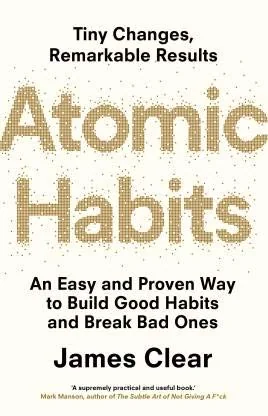
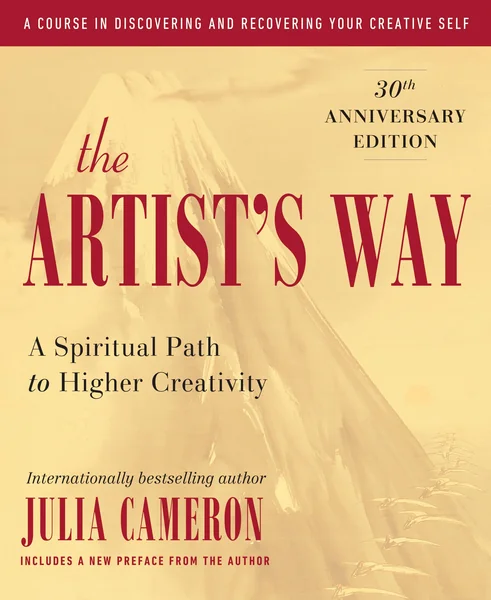
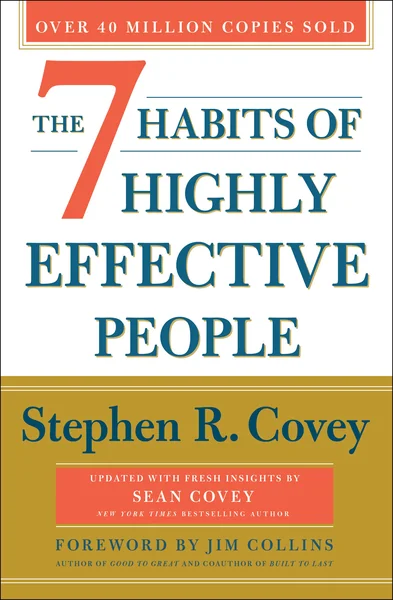
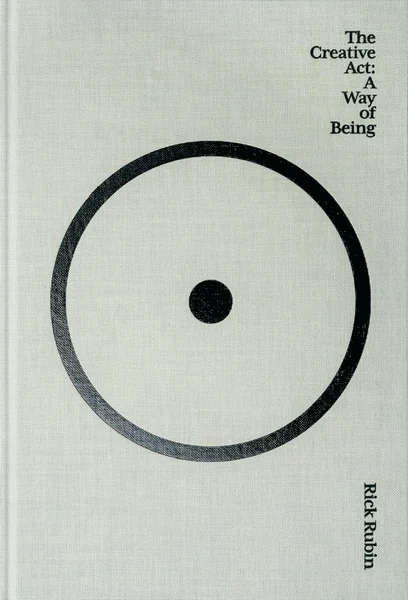
- Readers drawn to the guide's habit-driven framework will find James Clear's Atomic Habits a natural companion — it provides a deeper, research-backed treatment of habit formation that underpins the kind of behavioural change Shawen and Elisei advocate. For the creative and mindset dimensions, Julia Cameron's The Artist's Way and Rick Rubin's The Creative Act: A Way of Being both address the psychological barriers — self-doubt, creative blocks — that the guide targets. On the entrepreneurial side, Napoleon Hill's Think and Grow Rich and Stephen R. Covey's The 7 Habits of Highly Effective People share the guide's focus on using structured principles to build a productive, income-generating mindset.
- Who should read this?
- The guide is designed specifically for beginner-to-intermediate writers who want to launch a side income from creative work through self-publishing and have little or no prior experience in publishing as a business. It is particularly well-suited to writers who understand craft but feel intimidated by the business and marketing side — the book addresses overthinking and self-doubt directly, treating them as real obstacles rather than afterthoughts. Readers who prefer dense, comprehensive manuals or who are already active in the self-publishing space will find the concise scope insufficient for their needs.
- What are the main themes?
- Three interlocking themes run through the guide: self-publishing as a viable business model for creative writers; habit formation as the engine of entrepreneurial success (embodied in the eight named habits, each with a concrete action step); and mindset management — specifically, overcoming overthinking and self-doubt — as a prerequisite for launching a writing business. The book treats the psychological and practical dimensions of entrepreneurship as inseparable, which sets it apart from guides that keep strategy and motivation in separate chapters.
- Is the Kindle edition worth it?
- The Kindle edition supports enhanced typesetting and screen reader compatibility, making it a well-suited format for readers who consume self-help content digitally or rely on accessibility features. The guide's concise structure — a habit-based framework with paired action steps — also translates well to digital reading, where readers can easily navigate back to specific habits as a reference rather than reading linearly.
- Does it include practical tools or templates?
- This is one of the guide's notable limitations: unlike some competing titles in the writer-entrepreneur space, it does not include fillable worksheets, budget planners, or downloadable templates. Readers who prefer structured, hands-on planning materials will need to build their own supplementary tools. What the guide does provide is a repeatable habit framework — eight named habits, each with a brief action step — which functions as an organisational scaffold readers can return to over time.
Summarize this book
Follow up
Synthesized from verified book data & published reviews · How we review
What would you like to know about Starting a Business Now in Creative Writing Job as Passive Income Idea?
Answers come from our editorial notes on this book. If we haven't covered something, we'll say so.
Readers often ask
Our Review
We review the evidence: published critics, reader verdicts and BookTube reviews, gathered and weighed with AI assistance and edited by LuvemBooks, rather than one reader's first-hand take.
What the Book Actually Covers
The Eight-Habit Framework
Scope, Audience, and Positioning
Genuine Strengths
Limitations Worth Noting
Sources & Further Reading
The key facts and claims in this review are grounded in the retrieved, verified sources listed below.
- Cited in this review
- 1
- 2
- Further reading
- 3
- 4
Age & Reading Level
Recommended age
Adult
who it suits
Skip if you're an experienced self-publisher looking for advanced coverage of metadata optimisation, advertising strategy, or rights management.
Reader reviews
Be one of the first readers to answer.
Read it? Was it right for you?
Books like Starting a Business Now in Creative Writing Job as Passive Income Idea
Curated picks for readers who enjoyed Starting a Business Now in Creative Writing Job as Passive Income Idea, with our reasoning for each match.
If you liked Starting a Business Now in Creative Writing Job as Passive Income Idea