Our reviews
1,017 books, each with who it's for, who should skip it, reading level and content notes, and every source we used.
1,017 reviews
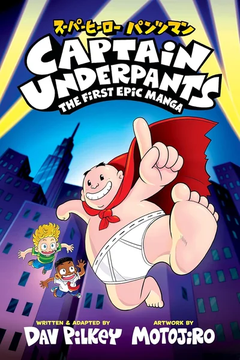
Dav Pilkey
Best for: Young manga fans aged 7 and up — especially reluctant readers already hooked on Dog Man — who want to experience the Captain Underpants origin story in a fresh visual format.
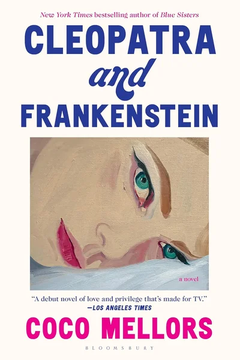
Coco Mellors
Best for: Readers drawn to emotionally charged relationship fiction set against a vividly rendered urban backdrop — especially those who loved Sally Rooney's Conversations with Friends and want a novel that treats addiction, grief, and marital unravelling with candor rather than sentimentality.
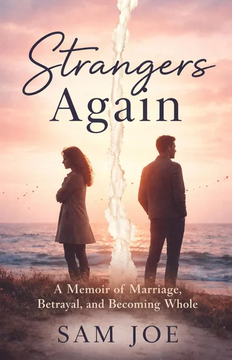
Sam Joe
Best for: Readers navigating or reflecting on marital betrayal and the interior work of rebuilding a sense of self, particularly those who gravitate toward independent voices and compact, unmediated first-person memoir forms.
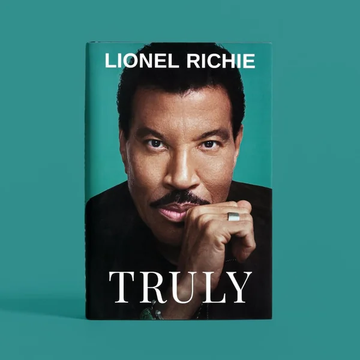
Lionel Richie
Best for: Longtime Lionel Richie fans and music biography readers who want a comprehensive, first-person account of five decades in pop music told by someone who was at the centre of it all — especially those drawn to themes of overcoming anxiety, self-doubt, and unlikely success.
Betty Crocker
Best for: Home cooks with a taste for mid-century American culinary heritage — especially devoted Betty Crocker fans or gift-givers seeking a cookbook that balances nostalgic archival depth with genuinely practical, from-scratch recipes.
Tejas Hiremani
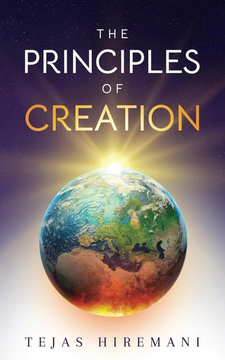
Best for: Spiritually curious general readers drawn to classical Indian philosophy — Vedanta, the Bhagavad Gita, the Upanishads — who want a single accessible framework for thinking about consciousness, technology, mortality, and civilizational direction.
Elizabeth George Speare
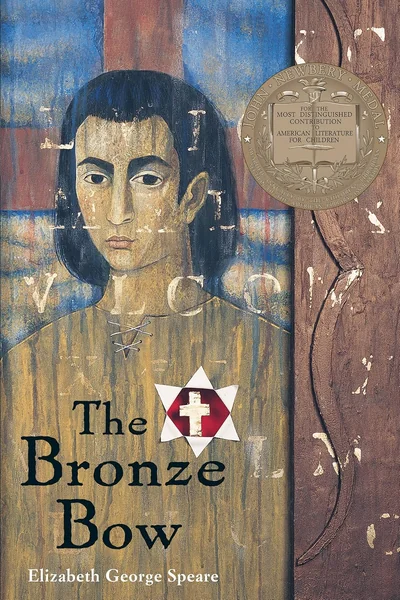
Best for: Middle-grade readers aged ten and up — particularly those in grades five through seven — who are drawn to character-driven historical fiction exploring the psychological cost of hatred, revenge, and moral transformation against the backdrop of Roman-occupied first-century Galilee.

Aisling Rawle
Best for: Readers who want their compulsive, binge-worthy fiction to carry genuine literary and social weight — particularly those drawn to reality-television culture, gender and power dynamics, and book-club discussion of surveillance, complicity, and self-exposure.
Barbara Kingsolver
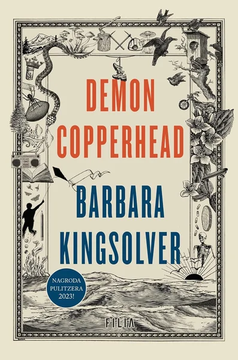
Best for: Readers drawn to ambitious literary fiction with serious social purpose — particularly those interested in the opioid crisis, Appalachian poverty, and foster-care failures — who want a full-scale Bildungsroman driven by a richly rendered protagonist.
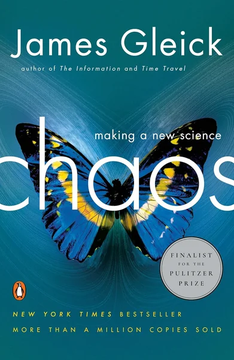
James Gleick
Best for: Curious general readers with no specialist mathematics background who want to understand how chaos theory emerged and why it matters — told through the human stories of the scientists who built it.
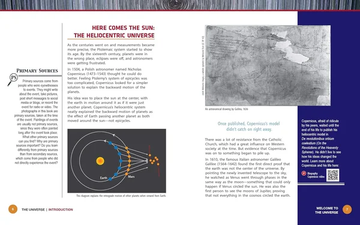
Matthew Brenden Wood
Best for: Middle school students aged 12–15 with a budding curiosity about cosmology who thrive with hands-on, inquiry-based learning — and the teachers or homeschool educators looking for a standards-aligned STEM supplement for grades 7–9.
Siqi Ai
Best for: Students and scholars of modern Chinese history, Marxist philosophy, or the history of political thought who want access to a primary text long central to Chinese intellectual life, now available in full English translation for the first time.
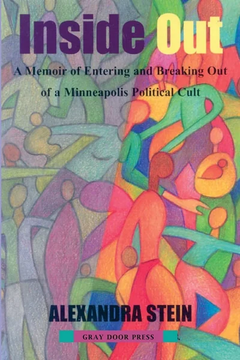
Alexandra Stein
Best for: Readers drawn to firsthand accounts of cult life and coercive control who want a memoir that operates simultaneously as personal testimony and analytical insight into how educated people get drawn into extremist political organizations.
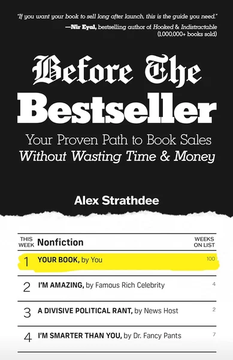
Alex Strathdee, Laura Russom, Steve Sarner
Best for: Nonfiction authors — whether debut writers starting from zero or mid-career authors seeking a more deliberate sales strategy — who want a practitioner-led, process-driven framework for building sustained book sales rather than a broad overview of the publishing industry.
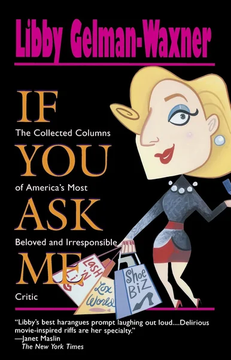
Libby Gelman-Waxner
Best for: Fans of sharp comic writing who enjoy Hollywood satire delivered through a fully inhabited fictional persona — particularly readers who appreciate humor that doubles as cultural observation about early-nineties film and its audience.
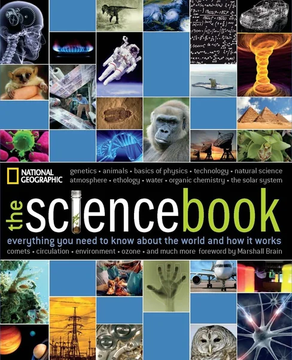
National Geographic
Best for: Students and curious general readers who want a single, visually navigable reference spanning all major scientific disciplines — from the universe and earth sciences to mathematics — without needing specialist or post-introductory depth in any one field.
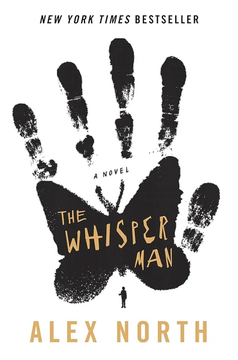
Alex North
Best for: Readers of psychological crime fiction who want a thriller driven as much by grief and parental love as by plot mechanics — particularly those drawn to stories where a child's perspective generates genuine dread and where the horror is rooted in loss rather than spectacle alone.
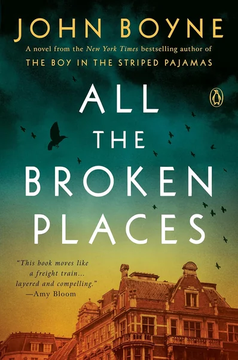
John Boyne
Best for: Readers of serious Holocaust fiction who are drawn to perpetrator-adjacent moral perspectives, particularly those already familiar with The Boy in the Striped Pyjamas and interested in exploring questions of complicity, generational guilt, and late-in-life reckoning across a dual-timeline narrative.
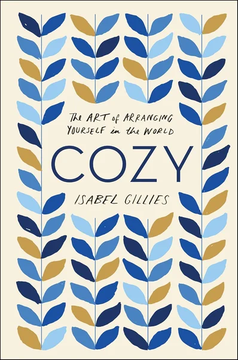
Isabel Gillies
Best for: Readers drawn to the slow-living or intentional-living space who want a warmly argued, memoir-inflected case for treating everyday comfort as a conscious act of self-respect — especially those who found the hygge conversation compelling but want something rooted in a more individual, less culturally specific voice.
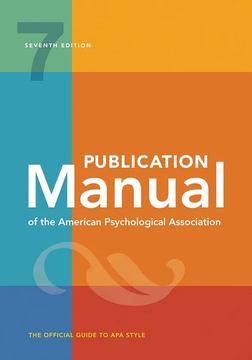
American Psychological Association
Best for: Researchers, students, editors, and academics in the social sciences, natural sciences, nursing, education, business, and related fields who are required to follow APA Style for manuscript preparation, citation formatting, or scholarly publishing.
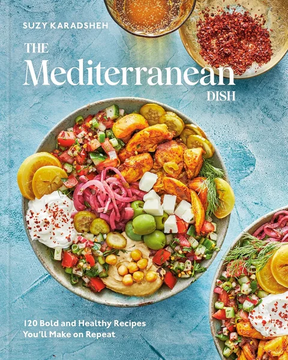
Suzy Karadsheh
Best for: Home cooks — particularly those in American kitchens with little prior experience of Levantine or North African pantry staples — who want a practical, weeknight-friendly introduction to the full breadth of Mediterranean cooking, grounded in genuine cultural biography rather than generic diet advice.
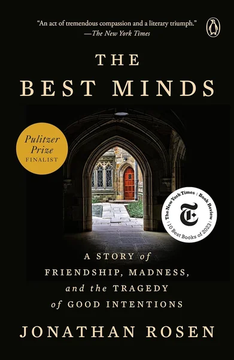
Jonathan Rosen
Best for: Readers drawn to literary memoir that works simultaneously as cultural history — particularly those interested in mental illness, American meritocracy, the limits of friendship, and the policy failures of late twentieth-century deinstitutionalization.
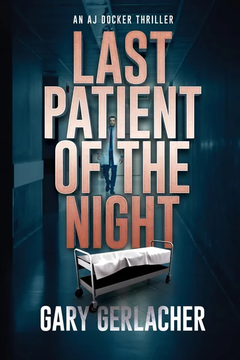
Gary Gerlacher
Best for: Readers of medically grounded crime fiction who want a series protagonist with genuine occupational credibility — an ER physician turned amateur investigator — and enjoy thriller narratives that balance dark criminal stakes with lighter, episodic workplace humour.
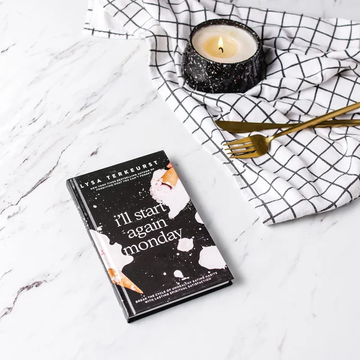
Lysa TerKeurst
Best for: Christian women who feel emotionally exhausted by the perpetual restart cycle of conventional dieting and are looking for spiritually grounded motivation to make lasting lifestyle changes alongside a practical health plan they already follow.
