BOOKS
Published

Read Time

4 min read

Curated & edited by

LuvemBooks Editorial

How we create our reviews →
Share This Review

Masa: Techniques, Recipes by Jorge Gaviria Review: A Definitive, Award-Nominated Deep Dive

Jorge Gaviria's *Masa: Techniques, Recipes* is a landmark cookbook and food-history reference that traces the journey of masa from dried corn kernel to finished dish, earning recognition as a National Bestseller, a James Beard Award nominee, a 2023 IACP Award finalist, and a Best Cookbook of 2022 selection from outlets including the Los Angeles Times, Food & Wine, The Washington Post, the San Francisco Chronicle, NPR, and Saveur.

LuvemBooks Verdict

Best for

Dedicated home cooks, food professionals, and food-history enthusiasts who want a single, definitive English-language reference covering every stage of masa production — from sourcing heirloom corn and nixtamalization through milling and a full range of traditional and inventive recipes.

Worth it if

You want to understand masa at its deepest level — its history, science, and craft — and are willing to invest in the equipment and multi-stage processes required to make it properly from scratch.

Skip if

You're looking for a quick, accessible introduction to Latin American weeknight cooking that doesn't require engaging with nixtamalization, milling equipment, or foundational technique before reaching the recipes.

What readers & critics say

Chronicle Books reports the title is a James Beard Award Nominee, 2023 IACP Award Finalist, National Bestseller, and Best Cookbook of 2022 from six major outlets including the Los Angeles Times, Food & Wine, The Washington Post, and Saveur. Omnivore Books positions it as the text that "completes the story of how to create this special building block," while Cooks Without Borders calls it an "outstanding debut effort" and highly recommends it.

Sources: Chronicle Books, Omnivore Books, Cooks Without Borders
4.7from 359 Amazon ratings— reader ratings, not a LuvemBooks score

Look inside the book

Preview the actual pages, via Google Books
In This Review
  • What Works & What Doesn't
  • What the Book Actually Is and Does
  • Origins and Credibility of the Author
  • Recognition and Place in the Genre
  • Genuine Strengths
  • Considerations for Prospective Readers

What Works & What Doesn't

What Works
  • Named a National Bestseller and a Best Cookbook of 2022 by six major outlets including the Los Angeles Times, Food & Wine, The Washington Post, NPR, and Saveur
  • Covers the full arc of masa production — from dried corn through nixtamalization, milling, and finished dish — in a single, structured reference
  • Includes a compendium of 28 distinct masa shapes and 50 base recipes, ranging from traditional tortillas and tamales to inventive preparations like Blue Masa Sourdough Bread and Tamal Gnocchi
  • Grounded in Gaviria's direct engagement with tens of thousands of real home-cook questions, shaping the book toward practical, replicable instruction
  • Integrates food history and science alongside technique, serving readers interested in both the cultural context and the craft of masa-making
What Doesn't
  • The encyclopedic, process-first approach — including instruction on operating a molino or Molinito — demands significant time, equipment investment, and commitment not suited to casual or quick-reference cooking
  • Readers seeking a simple introduction to Latin American recipes without engaging the foundational nixtamalization and milling techniques will find the book's structure a mismatch for their needs
Masa: Techniques, Recipes by Jorge Gaviria is a landmark work that establishes itself as the most comprehensive English-language treatment of masa to date, drawing on Gaviria's experience as founder of Masienda, his heirloom-corn sourcing and milling company.

What the Book Actually Is and Does

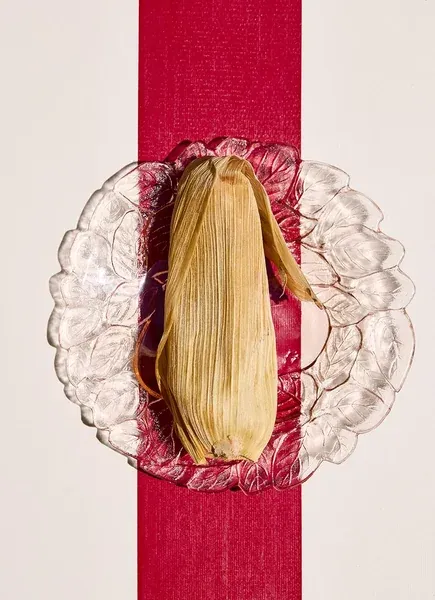
Corn husk and dried corn cob arranged on red and white striped background, illustrating traditional masa ingredient.
Masa is a cookbook and food-history reference combined, built around a single unifying ingredient: masa, the nixtamalized corn dough that underlies tortillas, tamales, pupusas, pozole, and countless other preparations across Latin America. Gaviria structures the book to teach cooks how to make masa entirely from scratch — beginning with dried corn and moving through the nixtamalization process, the operation of a molino or Molinito, and the grinding of masa itself. From that foundation, the book presents 50 base recipes and a compendium of 28 distinct masa "shapes," giving cooks a framework that is explicitly designed to encourage creative application rather than rote replication. The range of recipes spans from foundational preparations — tortillas (with detailed instruction on achieving a proper puff), pupusas, arepas, and tamales — to inventive, cross-cultural applications such as Blue Masa Sourdough Bread, Tamal Gnocchi, and Shrimp and Masa Grits.

Origins and Credibility of the Author

Gaviria did not arrive at this project from a purely academic vantage point. According to Chronicle Books, he wrote Masa after working through tens of thousands of inquiries from home cooks, fielded through Masienda, covering everything from equipment selection and ideal cooking temperatures to how to prevent a tortilla from crumbling during reheating. That practical immersion in the real-world problems of masa-making shapes the book's design: it is aimed at both professional chefs and home cooks, and it attempts to make technical processes — nixtamalization, milling, hydration — replicable and accessible. As the publisher notes, the recipes are written to empower cooks at any skill level to work creatively with masa rather than treat it as an intimidating specialty ingredient.
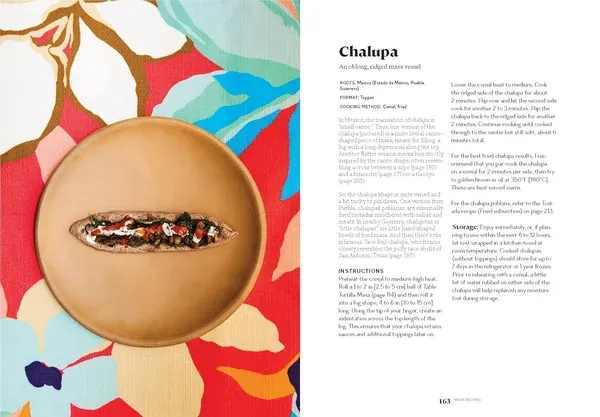
Recipe page for Chalupa showing finished dish in wooden bowl with colorful textile background and preparation instructions.

Recognition and Place in the Genre

The book's reception situates it firmly at the front of a growing cultural and culinary conversation around heirloom corn. It is a National Bestseller and was named a Best Cookbook of 2022 by the Los Angeles Times, Food & Wine, The Washington Post, the San Francisco Chronicle, NPR, and Saveur — a breadth of recognition rare for a single-ingredient reference. It was also nominated for a James Beard Award and named a 2023 IACP Award finalist. Omnivore Books describes the work as encyclopedic, positioning it as the text that completes the story of how to create masa from scratch — a gap that previously required assembling information from scattered sources. The book arrives as Masienda itself has functioned, in the words of that same bookseller, as a "proxy message board at the center of the swelling masa conversation."

Genuine Strengths

The book's most distinctive strength is its vertical integration of subject matter: rather than beginning with masa as a given ingredient purchased from a bag, Gaviria traces every stage of production, giving readers the historical and scientific context alongside the procedural instructions. The history of masa — including its deep roots across Mesoamerican foodways — is woven through the text, making the book of interest not only to practicing cooks but also to readers drawn to food history and the cultural significance of corn. The 28-shape compendium is a particularly notable structural feature, offering a systematized vocabulary of masa forms that extends well beyond the handful of preparations most readers will recognize. According to masienda.com, information throughout the book is delivered in an accessible way, and the book includes photography.

Considerations for Prospective Readers

The book's encyclopedic scope is also the source of its most significant limitation in terms of audience fit. Readers seeking a quick weeknight reference for simple Latin American cooking will find that Masa is not designed for that purpose: it asks cooks to engage with equipment (including a molino or Molinito), sourcing of heirloom dried corn, and multi-stage processes that require time and commitment. The book is plainly written for cooks who want to understand masa at its deepest level, and that depth means the entry cost — in both time and equipment — is higher than a standard cookbook. Readers who are not prepared to work through the foundational techniques before reaching the recipes will find the structure demanding. That said, for food professionals, dedicated home cooks, and anyone serious about the craft of nixtamalization, the breadth of verified critical recognition confirms this is the reference the subject has long warranted.

Sources & Further Reading

The key facts and claims in this review are grounded in the retrieved, verified sources listed below.

  1. Cited in this review
  2. 1

    chroniclebooks.com

  3. 2
  4. 3
  5. 4
  6. Further reading
  7. 5
  8. 6
Related Reviews

Reviews of books we picked for readers who enjoyed Masa.