BOOKS
Published

Read Time

8 min read

Reader rating

4.6

· 758 Amazon ratings
reader ratings, not a LuvemBooks score
Curated & edited by

LuvemBooks Editorial

How we create our reviews →
Share This Review

Small Space Style by Whitney Leigh Morris Review: A Practical, Inspiring Guide to Compact Living

Whitney Leigh Morris's debut interior design book, Small Space Style: Because You Don't Need to Live Large, published by Weldon Owen in November 2018, delivers more than 200 actionable tips for transforming tight quarters into efficient, stylish homes — drawing on Morris's own life in a sub-400-square-foot Venice Beach cottage alongside tours of tiny houses and micro apartments from around the country.
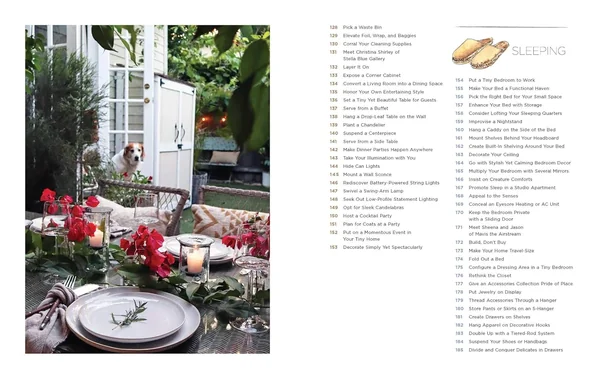
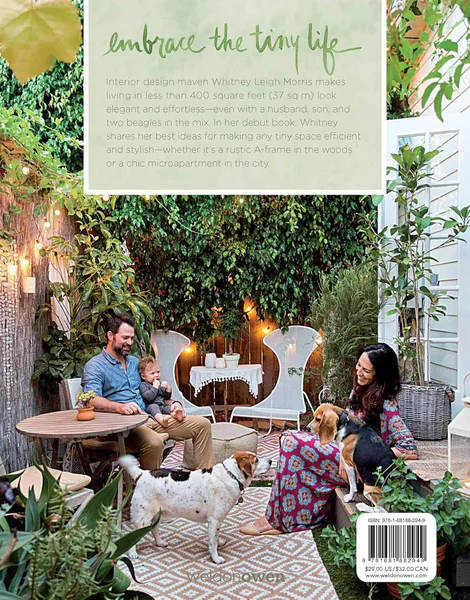
Contents page listing chapters organized under "Living" and "Eating" sections with design and decorating topics.Back cover featuring a family in a lush outdoor garden space with seating and greenery, illustrating small space design principles.Interior spread showing a styled outdoor dining table with red flowers and place settings alongside a numbered index of design topics.Tap to enlarge

LuvemBooks Verdict

Best for

Renters, urban dwellers, and anyone already living in or actively planning for a compact space — studio apartments, micro apartments, tiny houses, or small city homes — who want a dense, room-by-room toolkit of immediately actionable ideas rather than a conceptual design philosophy.

Worth it if

You're navigating a genuinely small home and want more than 200 concrete, granular tips — organized by living, sleeping, eating, and bathing — grounded in the daily reality of a real family household, not staged editorial shoots.

Skip if

You're looking for guidance on larger-scale renovations, suburban or new-construction interiors, or a wide range of aesthetic styles — this guide is deliberately and unapologetically narrow in both scope and visual point of view, and some DIY storage solutions assume structural modification rights that renters may not have.

Elle Decor previewed the book ahead of its November 2018 release, highlighting Morris's skill at "revealing the beauty in living in less than 400 square feet" with a family in tow. The publisher Insight Editions positions it as "the must-have, incredibly inspirational guide for living large in compact quarters," emphasising its 200-plus actionable tips, while Morris's own platform (whitneyleighmorris.com) notes that admirers cite both her "envious eye for design" and her "brain for puzzle-like small-space solutions."

Sources: Elle Decor, Insight Editions, Whitney Leigh Morris
4.6from 758 Amazon ratings— reader ratings, not a LuvemBooks score

Preview the book

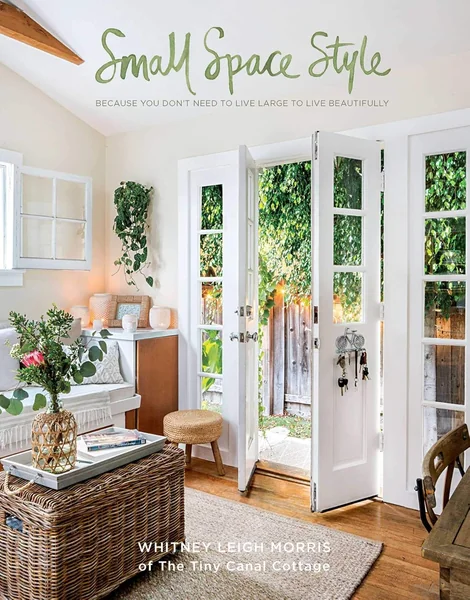
Small Space Style: Because You Don't Need to Live Large to Live Beautifully by Whitney Leigh Morris front cover
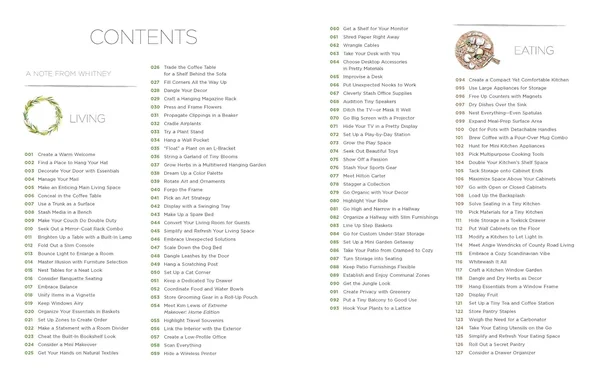
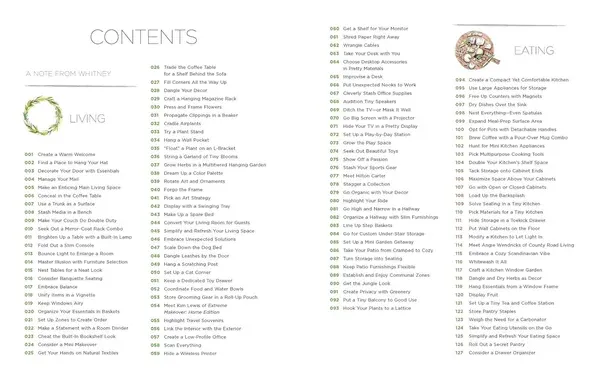
Contents page listing chapters organized under "Living" and "Eating" sections with design and decorating topics.
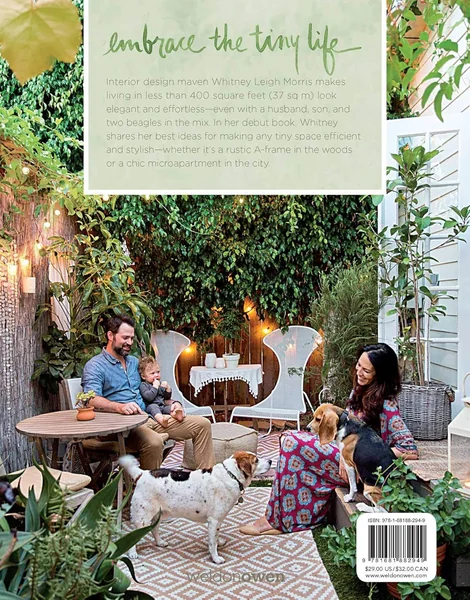
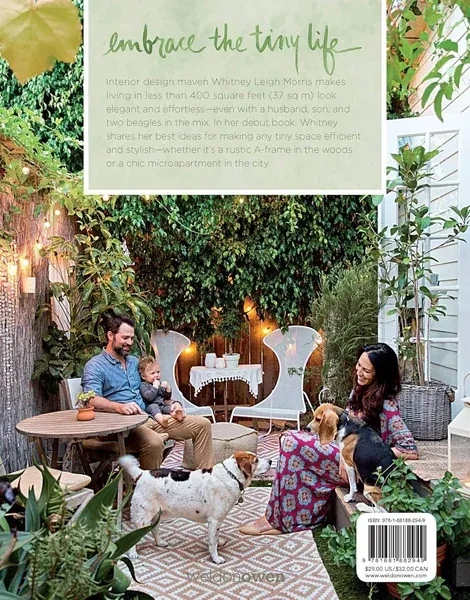
Back cover featuring a family in a lush outdoor garden space with seating and greenery, illustrating small space design principles.
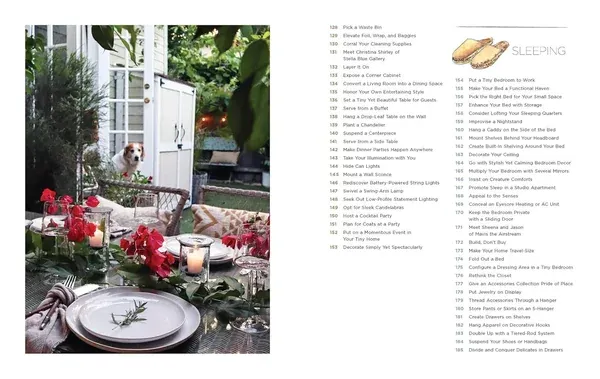
Interior spread showing a styled outdoor dining table with red flowers and place settings alongside a numbered index of design topics.
Interior spread showing a bedroom with dogs on a bed, demonstrating practical small space living and design styling.

Ask LuvemBooks

Was this helpful?

Small Space Style: Because You Don't Need to Live Large is Whitney Leigh Morris's debut interior design guide, delivering more than 200 actionable tips for transforming compact homes — from studio apartments to micro cottages — into efficient, beautiful spaces, grounded in her own daily life in a sub-400-square-foot Venice Beach bungalow. LuvemBooks finds it an exceptionally practical, high-density resource for anyone already navigating small-space living or planning to downsize. The key caveat: readers seeking guidance on large-scale renovations, suburban interiors, or a wide range of aesthetic styles will find its deliberately tight focus a limitation.
Is it worth reading?
For readers living in or moving into compact spaces, Small Space Style offers genuine, solutions-first value: more than 200 specific, actionable tips organized for easy navigation, rooted in the lived experience of Morris's own under-400-square-foot Venice Beach cottage rather than staged aspirational concepts. The illustrated format adds practical visual reference throughout. The main caveat is that the book's tight focus — and its relatively consistent aesthetic rooted in Morris's own curated spaces — makes it less useful for readers with different stylistic tastes or those seeking guidance on larger-scale interiors.
Similar books
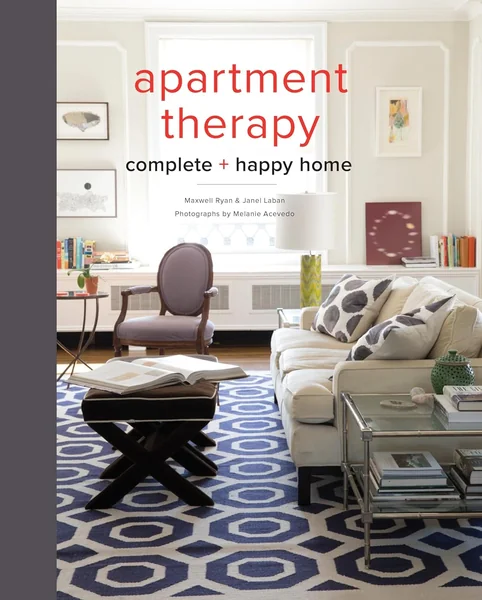
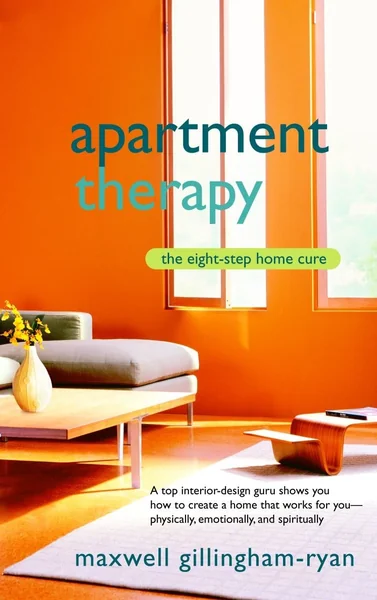
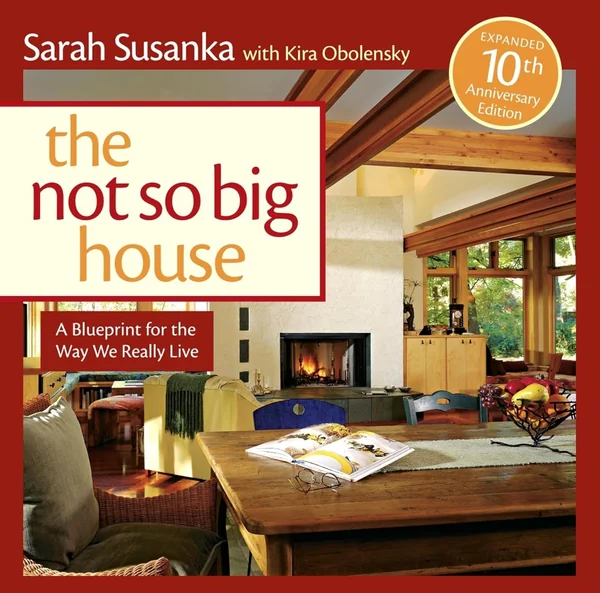
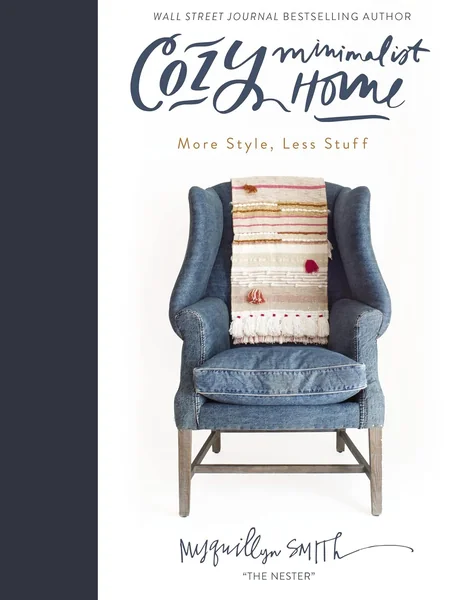
Readers who enjoy Small Space Style often turn to other practical home-living guides. Sarah Susanka's The Not So Big House: A Blueprint for the Way We Really Live makes a complementary philosophical case for quality over square footage. Maxwell Ryan's Apartment Therapy: The Eight-Step Home Cure offers a room-by-room framework for renters and apartment dwellers. Myquillyn Smith's Cozy Minimalist Home: More Style, Less Stuff and The Nesting Place: It Doesn't Have to Be Perfect to Be Beautiful both share Morris's accessible, imperfection-friendly ethos. Clea Shearer and Joanna Teplin's The Home Edit: A Guide to Organizing tackles the clutter-reduction and storage side of small-space living.
Who should read this?
Small Space Style is most valuable for readers already living in compact spaces — renters in studios or micro apartments, residents of tiny houses or A-frames, and urban dwellers navigating the realities of micro-living. It also serves anyone intentionally downsizing or preparing to move into a smaller home. Readers seeking large-scale renovation guidance, suburban-scale interiors, or a wide visual range of design aesthetics will find it less applicable, given its deliberately narrow focus and consistent aesthetic rooted in Morris's Venice Beach cottage.
How DIY-friendly is it?
Small Space Style includes a meaningful DIY component — strategies for custom built-ins, clever storage solutions, and features like a hanging magazine rack or propagating plant clippings in a beaker appear throughout. However, some of the more advanced DIY and built-in sections presuppose hands-on capability and, in certain cases, the ability to make structural modifications, which may not be feasible for renters or readers without workshop access. Much of the book's advice, however, is actionable without any construction skills at all.
What core strategies does it teach?
The book's framework revolves around six core strategies: keeping clutter to a minimum, crafting double-duty layouts, personalizing chic storage solutions, going vertical when floor space runs out, DIYing clever custom built-ins, and hosting a crowd within confined square footage. These principles reflect Morris's broader platform on flexible, sustainable, and community-focused home spaces, and they are presented through more than 200 concrete, specific tips organized by room — living, sleeping, eating, and bathing.
What is Whitney Leigh Morris's cottage like?
Morris's home — the primary real-world anchor for the book — is a 1920s bungalow in Venice Beach, California, measuring under 400 square feet. She lives there with her husband, a baby, and two Beagles, and runs her blog and Instagram account, The Tiny Canal Cottage, from that base. The book draws directly on this daily household experience, grounding its advice in genuine constraint rather than aspirational staging. Morris's background as a consultant, stylist, and creative director informs the book's visual sensibility throughout.
Summarize this book

Summarize this book

Small Space Style: Because You Don't Need to Live Large is Whitney Leigh Morris's debut illustrated interior design guide, published by Weldon Owen in November 2018. Organized around the core domestic rooms — living, sleeping, eating, and bathing — it draws on Morris's own experience raising a family (husband, baby, and two Beagles) in a 1920s Venice Beach, California bungalow of under 400 square feet, alongside home tours of tiny houses, micro apartments, and A-frames from across the country. The book's framework centers on practical strategies: minimizing clutter, creating double-duty layouts, going vertical, personalizing storage, DIYing custom built-ins, and even hosting guests in confined quarters. It is designed to serve renters in studio apartments, owners of rustic A-frames, and anyone navigating urban micro-living.

Follow up

Who is the target reader?
How many tips does it include?
How is the book structured?

Synthesized from verified book data & published reviews · How we review

Press Enter to ask. Answers come from our editorial Q&A — start typing to see related questions.

Age & Reading Level

Recommended age

Adult

Reading level

Adult

Skip if you're looking for guidance on large-scale renovations, suburban interiors, or a wide range of design aesthetics beyond Morris's curated small-space perspective.

Our Review

A debut interior design guide rooted in real, lived small-space experience, Small Space Style makes a convincing case that square footage is no barrier to a beautiful home.

What the Book Is and What It Covers

Back cover featuring a family in a lush outdoor garden space with seating and greenery, illustrating small space design principles.
Small Space Style: Because You Don't Need to Live Large is Whitney Leigh Morris's debut book, published by Weldon Owen in November 2018. It is an illustrated interior design guide organized around the core domestic essentials — living, sleeping, eating, and bathing — that together form the backbone of any home, however compact. Morris, the consultant, stylist, and creative director behind the popular blog and Instagram account The Tiny Canal Cottage, brings her day-to-day experience raising a family in a 1920s Venice Beach, California bungalow of under 400 square feet — husband, baby, and two Beagles included — directly into its pages. The book draws not only on her own cottage but also on home tours of tiny houses, micro apartments, and other efficient small spaces, giving readers a breadth of real-world examples rather than purely aspirational set-dressing.

The Central Argument and Design Philosophy

At the heart of the book is a straightforward conviction: you don't need to live large to live beautifully. Morris channels that ethos into concrete strategies rather than abstract philosophy. The guide is structured around keeping clutter to a minimum, crafting double-duty layouts, personalizing chic storage solutions, going vertical when floor surfaces run out, DIYing clever custom built-ins, and even hosting a crowd within confined square footage. This framework reflects Morris's broader platform on flexible, sustainable, and community-focused home spaces. The result is a book designed to serve renters in studio apartments, owners of rustic A-frames, and anyone navigating the growing reality of urban micro-living — the advice is written to travel across settings rather than apply only to one aesthetic or housing type.
Contents page listing chapters organized under "Living" and "Eating" sections with design and decorating topics.

Scope and Depth of Practical Guidance

One of the book's most quantifiable assets is the sheer density of its actionable content: the publisher, Insight Editions, describes it as featuring more than 200 tips for making the most of a small home. The table of contents itself signals granular specificity — individual entries include guidance such as trading a coffee table for a shelf behind the sofa, filling corners all the way up, dangling décor, crafting a hanging magazine rack, and propagating plant clippings in a beaker. This tip-by-tip architecture means readers can open to virtually any section and find something immediately applicable, rather than wading through lengthy conceptual chapters before reaching usable direction. The illustrated edition format supports this approach, pairing written guidance with visual reference throughout.

Significance and Audience Fit

The book arrived at a moment of sustained cultural and economic interest in downsizing, urban density, and the tiny-home movement — and it approaches that conversation from a lived perspective rather than a theoretical one. Morris is not a design commentator writing about small spaces from the outside; she is documenting a household that actually operates within these constraints daily. That grounding distinguishes Small Space Style from purely aspirational shelter titles. The book is positioned as a resource for readers who are already living in small spaces or planning to, not just those who find the aesthetic romantically appealing. Readers drawn to practical, solutions-first interior design — particularly those in cities, starter homes, or intentionally minimized living situations — are the book's clearest audience.

Limitations Worth Noting

The book's tight focus is also its primary constraint. Readers seeking expansive treatment of large-scale renovations, new construction, or suburban-scale interiors will find little applicable here; the guide is deliberately and unapologetically oriented toward compact and micro living. Additionally, because so much of the visual and editorial content draws from Morris's own Venice Beach cottage and from a curated selection of her favorite spaces, the aesthetic point of view is relatively consistent — which suits readers aligned with her style but may offer less variety for those whose tastes run in a different direction. The DIY built-in and custom storage sections also presuppose a degree of hands-on capability and, in some cases, the ability to make structural modifications — something renters or those without workshop access may find limits their options.

Sources & Further Reading

The key facts and claims in this review are grounded in the retrieved, verified sources listed below.

  1. Cited in this review
  2. 1
  3. 2
  4. 3
  5. Further reading
  6. 4