Our reviews
89 fiction books we've reviewed, each with who it's for, who should skip it and every source we used.
89 reviews match
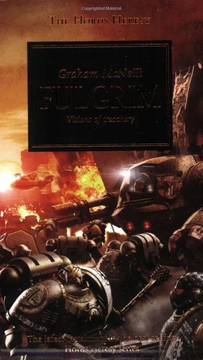
Graham McNeill
Best for: Warhammer 40,000 readers who have followed the Horus Heresy from the beginning and are drawn to stories of moral descent, corrupted idealism, and fraternal tragedy — particularly those invested in the fates of Fulgrim and Ferrus Manus.
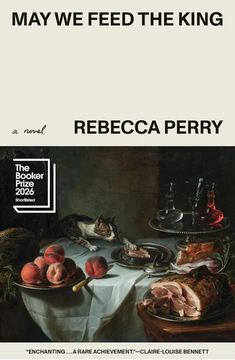
Rebecca Perry
Best for: Readers who relish literary, dual-timeline historical fiction — in the vein of A. S. Byatt or Hilary Mantel — and who are drawn to novels that interrogate how history is constructed, preserved, and quietly distorted, sentence by careful sentence.
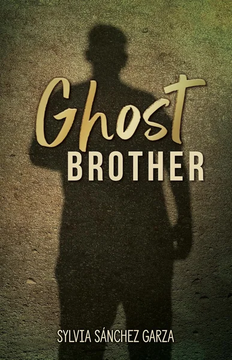
Sylvia Sánchez Garza
Best for: Teens 12 and up — and the classrooms and libraries serving them — who are ready for an emotionally heavy but culturally grounded story about grief, bullying, and anti-Mexican discrimination in South Texas, told through the alternating voices of two brothers, one living and one dead.
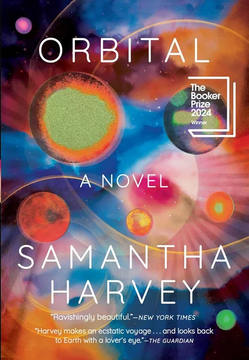
Samantha Harvey
Best for: Readers of contemplative literary fiction who want a Woolfian, essay-in-motion meditation on Earth and consciousness — ideally consumed in a single sitting — rather than a story with conventional plot momentum.
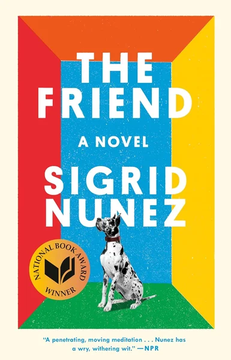
Sigrid Nunez
Best for: Readers of literary fiction who like their novels thoughtful, talkative, and a little severe — and, unmistakably, anyone who has loved a dog, plus book clubs that enjoy dividing over big questions of suicide, loyalty, art, and obligation.
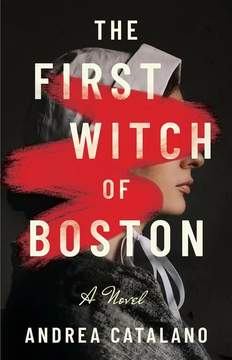
Andrea Catalano
Best for: Historical-fiction readers drawn to fact-based Puritan witch-trial stories — especially those who want the real Margaret Jones case rendered as an intimate, decades-spanning marriage portrait rather than a courtroom thriller — and book clubs, which the author actively supports with a press kit and visits.
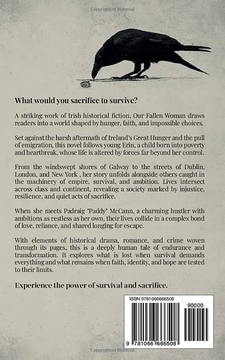
Steven Habbi
Best for: Readers of female-led Irish diaspora historical fiction who want to inhabit one woman's full life — Galway to Prohibition-era New York, 1880–1925 — in a fictional-biography structure that blends drama, romance, and crime.
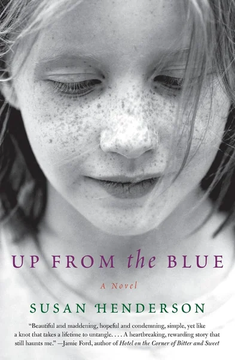
Susan Henderson
Best for: Readers of literary family dramas — especially those drawn to mother-daughter stories, compassionate fiction about mental illness, and 1970s-set coming-of-age narratives in the vein of The Glass Castle.
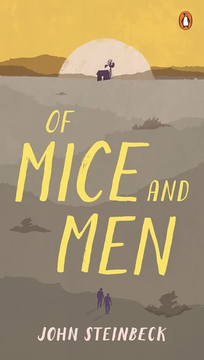
John Steinbeck
Best for: Readers who want a landmark of American literature in a single evening — students encountering it for class, and adults returning to (or finally picking up) Steinbeck's devastating Depression-era novella about friendship, loneliness, and a fragile shared dream.
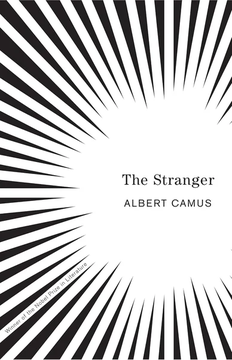
Albert Camus
Best for: First-time readers of Camus choosing an English edition, and anyone raised on the Gilbert translation, who want the foundational absurdist novel in the Ward translation that restored its flat, precise voice.
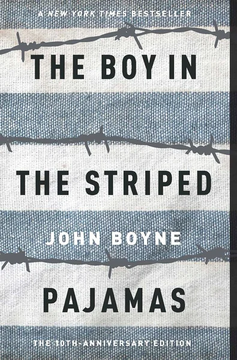
John Boyne
Best for: Best for upper-middle-grade classrooms and families seeking a short, non-graphic first Holocaust-fiction encounter that can be discussed alongside testimony or history.
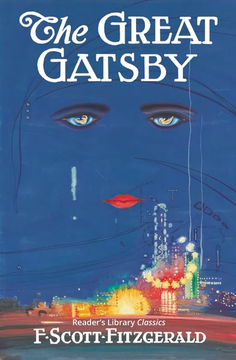
F. Scott Fitzgerald
Best for: Students, first-time readers, and anyone building an affordable personal library of canonical American fiction who wants a compact, physical copy of Fitzgerald's Jazz Age masterpiece without spending much.
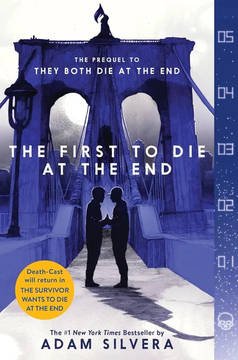
Adam Silvera
Best for: Readers aged 14 and up who loved They Both Die at the End and want more of Silvera's emotionally precise, bittersweet YA fiction — particularly those drawn to queer romance, speculative world-building, and stories that wrestle with mortality and the urgency of living fully.
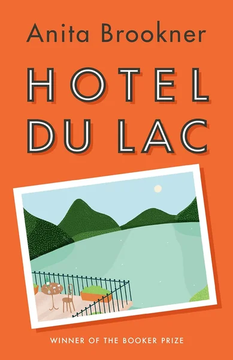
Anita Brookner
Best for: Readers drawn to restrained, ironic British literary fiction — particularly those who prize sentence-level prose craft and character-driven interiority over plot momentum — and anyone looking for a natural entry point into Anita Brookner's body of work.
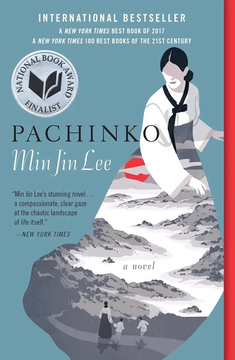
Min Jin Lee
Best for: Readers who love character-rich, multigenerational literary sagas — particularly those drawn to underrepresented histories — and who want a novel that uses one family's arc across seven decades to illuminate the largely unknown experience of Zainichi Koreans in Japan.
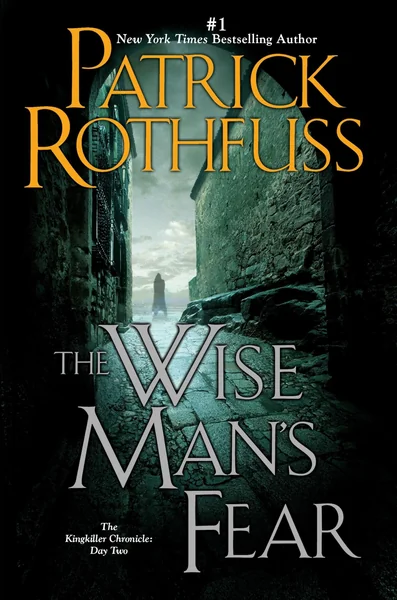
Patrick Rothfuss
Best for: Readers already invested in The Kingkiller Chronicle who want hundreds of pages of immersive expansion on Kvothe's world, voice, and mythology — from university politics to Vintish court intrigue to wilderness mercenary work.
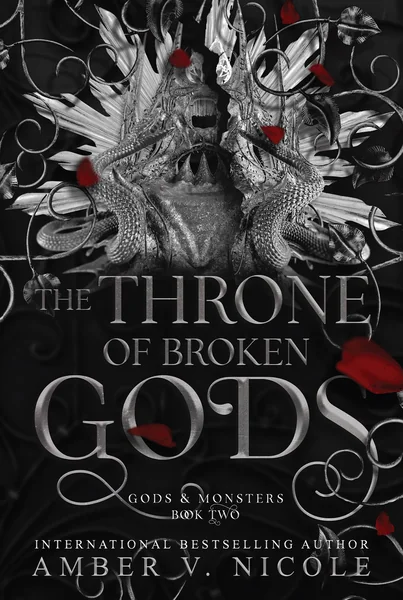
Amber V. Nicole
Best for: Devoted romantasy readers who are already invested in the Gods & Monsters saga and want a psychologically weighty, mythology-rich enemies-to-lovers continuation with genuine emotional stakes.
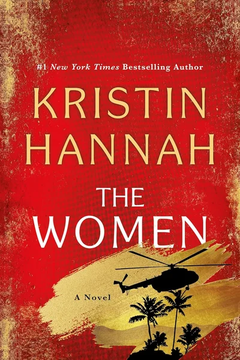
Kristin Hannah
Best for: Readers drawn to female-centered wartime historical fiction — particularly fans of Hannah's The Nightingale or The Four Winds — who want to encounter the long-overlooked story of U.S. Army nurses in the Vietnam War told with emotional seriousness and intimate character detail.
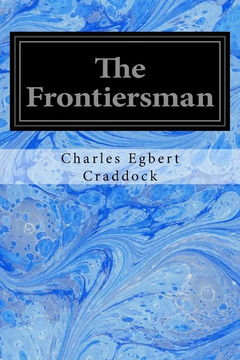
Charles Egbert Craddock
Best for: Readers with an interest in American regional and local-color fiction who want to explore an underappreciated voice of the genre — Mary Noailles Murfree — through stories engaging frontier life, settler–Cherokee encounters, and early Appalachian landscapes on their own early-twentieth-century terms.
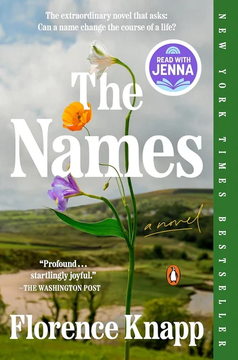
Florence Knapp
Best for: Readers drawn to structurally ambitious literary fiction who want a morally serious, emotionally demanding exploration of how a single early decision — a child's name — can reshape identity, family, and generations, particularly those who appreciate braided timelines and unflinching treatment of domestic violence.
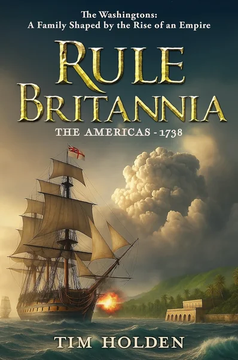
Tim Holden
Best for: Readers of family-centred historical fiction who want to explore the British imperial world that shaped the Washington dynasty before the Revolutionary War era, and who are happy to commit to a trilogy from its opening volume.
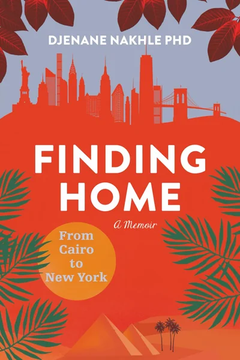
Djenane Nakhle
Best for: Readers drawn to literary memoir and immigrant narratives who want a candid, psychologically self-aware account of cross-cultural reinvention rooted in the specific historical realities of mid-twentieth-century revolutionary Egypt.
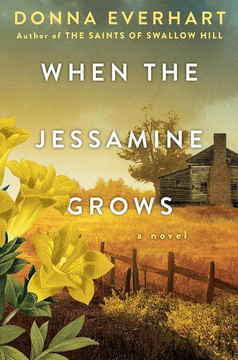
Donna Everhart
Best for: Readers who find the Civil War most compelling when seen through the domestic sphere — women managing farms, families, and impossible moral choices — and who enjoy character-driven Southern historical fiction with rich book-club discussion potential.
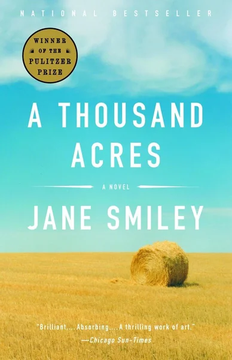
Jane Smiley
Best for: Readers drawn to American literary fiction who want a feminist reframing of a canonical text — specifically those interested in how family trauma, gender, and landscape intersect beneath the surface of a familiar Shakespearean tragedy.
