
8 min read
4.2
· 56,823 Amazon ratingsShare This Review
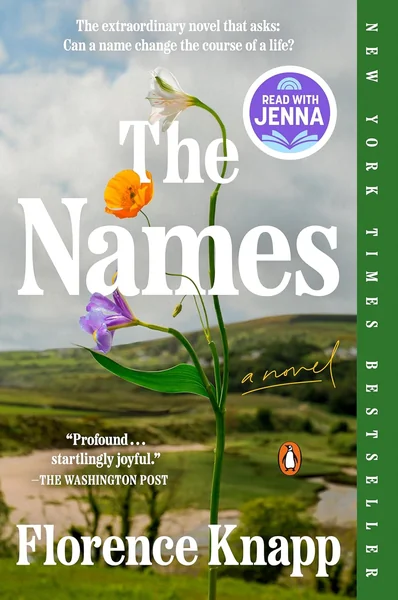
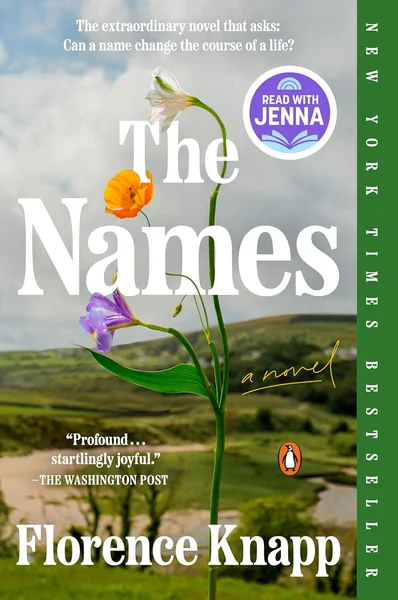
The Names by Florence Knapp Review: A Dazzling, Haunting Debut About Identity
Florence Knapp's debut novel The Names, a Read with Jenna Pick published by Pamela Dorman Books in May 2025, is a structurally inventive work of literary fiction that traces how a single maternal decision — what to name a child — fractures into three distinct life paths. Praised by Jojo Moyes as "an utter original" and by Elle as "a deft and lovely story," it has drawn wide critical acclaim for its spare prose, its three richly drawn casts of characters, and its unflinching exploration of domestic violence and the butterfly effect of identity.
LuvemBooks Verdict
Best for
Readers drawn to structurally ambitious literary fiction who want a morally serious, emotionally demanding exploration of how a single early decision — a child's name — can reshape identity, family, and generations, particularly those who appreciate braided timelines and unflinching treatment of domestic violence.
Worth it if
Worth it if you're ready to invest in three distinct casts of characters simultaneously and want fiction that is both intellectually generative — ideal for book clubs — and genuinely unsettling in the way it makes you interrogate your own history.
Skip if
Skip it if you're seeking lighter parallel-lives fare or find harrowing depictions of domestic violence and intergenerational harm too demanding — this novel is designed, as one critic put it, to leave marks.
What readers & critics say
Bookshop.org aggregates praise from Elle, which calls it "a grounded, gut-wrenching portrait of the butterfly effect… a deft and lovely story," and from People, which labels it "a wholly original work," while Parnassus Books surfaces a starred critical coverage notice describing it as "compelling [and] emotionally wrenching." Fictionophile calls it "an exceptionally original novel" while noting it can be difficult to read at times, and Tertulia highlights the "brilliantly imaginative structure, propulsive storytelling, and emotional, gut-wrenching power" praised in its blurb copy.
Sources: Bookshop.org, Parnassus Books, Fictionophile, TertuliaAsk LuvemBooks
Was this helpful?
- Is it worth reading?
- For readers drawn to structurally ambitious literary fiction, The Names delivers on its considerable promise. Jojo Moyes called it 'an utter original,' People described it as 'a wholly original work,' and Anne Griffin noted that it 'lives up to the hype' — a meaningful endorsement for a debut novel arriving with significant institutional backing. Chris Whitaker's phrase 'bitterly beautiful' captures the tonal balance Knapp maintains between hope and devastation, while Helen Simonson described being 'haunted' by it. The key caveat is that its frank engagement with domestic violence and intergenerational harm makes for genuinely demanding reading — those seeking lighter fare should look elsewhere.
- Similar books
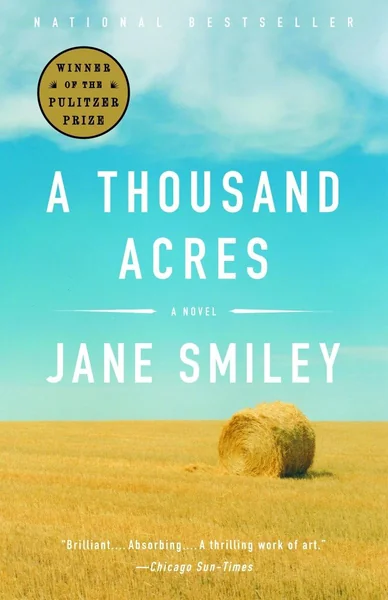
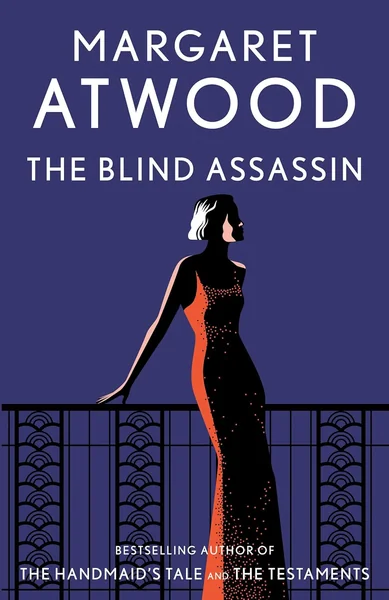
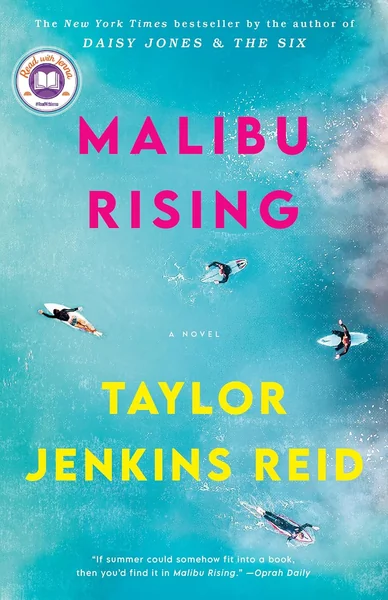
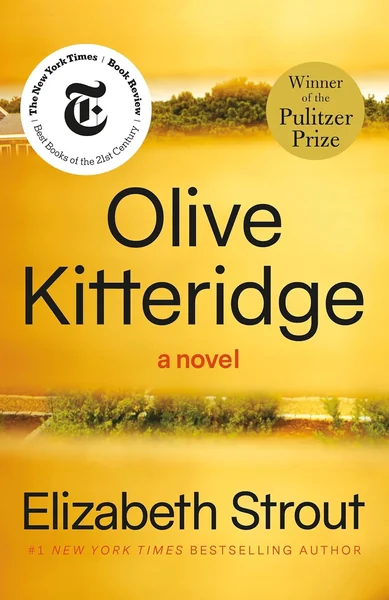
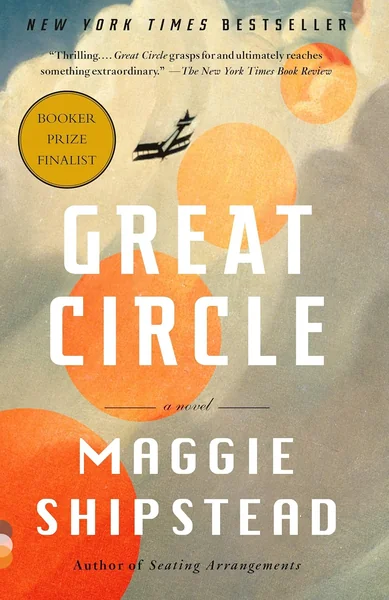
- Readers drawn to The Names will find natural companions in the curated selections below. Elizabeth Strout's Olive Kitteridge shares its emotionally resonant, interconnected structure and unflinching look at family damage. Maggie Shipstead's Great Circle — itself a Read with Jenna Pick — offers similarly ambitious literary scope and braided timelines. Taylor Jenkins Reid's Malibu Rising traces how a family's shared history fractures across a single pivotal moment, while Jane Smiley's A Thousand Acres brings the same moral seriousness to questions of family, land, and intergenerational harm. Margaret Atwood's The Blind Assassin is another structurally layered literary landmark for readers who enjoy working across nested narrative threads.
- Who should read this?
- The Names is best suited to readers who actively enjoy structurally ambitious literary fiction — those comfortable working across braided timelines and tracking the slow divergence of lives that share a common origin. The Minneapolis Star Tribune notes the book's power to make readers interrogate their own histories, suggesting it will resonate most deeply with readers open to that kind of reflective discomfort. Readers drawn to the work of Elizabeth Strout, Margaret Atwood, or Jane Smiley will find familiar pleasures here. Those who prefer lighter or more plot-driven fiction, or who find sustained engagement with domestic violence harrowing, should approach with care.
- About Florence Knapp
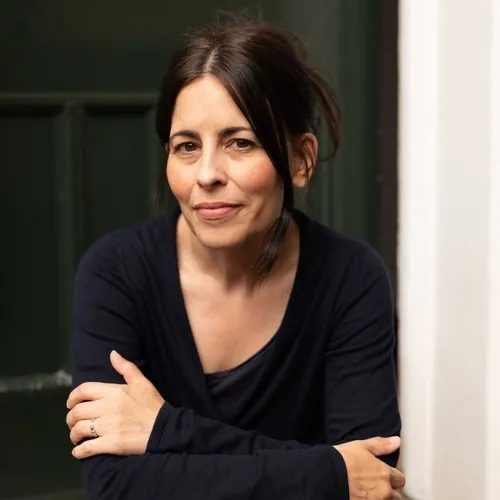
- Florence Knapp (born 1976/1977) is an English author and blogger. The Names is her debut novel.
- Is this a good book club pick?
- The Minneapolis Star Tribune singled out The Names as an 'insightful' debut with 'book club' written all over it, describing it as 'guaranteed to make readers reflect about their own lives — how they compare to the characters' lives, how they might have gone differently if a few circumstances were changed.' That dual appeal — emotionally immediate and intellectually generative — is precisely what makes it a natural fit for group reading. Its three-timeline structure, its exploration of domestic violence and identity, and its central question of how a single early decision can accelerate or deflect harm all provide rich ground for discussion.
- What are the main themes?
- The Names is built around the butterfly effect of identity — specifically, how a single early decision (a child's name) reshapes not only one life but the lives of everyone around her across generations. Domestic violence is central to the novel's DNA, used not merely as subject matter but as a structural argument about how vulnerability, escape, and harm ripple outward through families. Fate versus agency, the quiet violence of circumstance, and what Penguin Random House calls 'how we become who we are' all run through the three parallel timelines, which function collectively as a meditation on family, intergenerational damage, and the possibility — or impossibility — of escape.
Summarize this book
Follow up
Synthesized from verified book data & published reviews · How we review
Press Enter to ask. Answers come from our editorial Q&A — start typing to see related questions.
Age & Reading Level
Recommended age
Adult
Reading level
Adult
3 content notes · who it suits
Content to know about
Best for: Adults — unflinching treatment of domestic violence and its intergenerational damage places this firmly in adult literary territory.
Skip if you're looking for a light or optimistic take on the parallel-lives premise.
Our Review
What the Novel Is and What It Does
The Central Stakes: Domestic Violence and the Butterfly Effect
Craft and Prose Style
Reception and Significance
Who It Is For and Where It Challenges
Sources & Further Reading
The key facts and claims in this review are grounded in the retrieved, verified sources listed below.
- Cited in this review
- 1
- 2
penguinrandomhouse.ca
- Further reading
- 3
Florence Knapp, Wikipedia
Books like The Names
Curated picks for readers who enjoyed The Names, with our reasoning for each match.
If you liked The Names
Why It’s Trending
Jenna Bush Hager's 'Open Book' Podcast Is Bringing The Names Back Into the Conversation
Jenna Bush Hager's 'Open Book with Jenna' podcast is currently in an active season spotlighting books she's championed — and The Names, her Read with Jenna pick, is riding that wave. If you've been sleeping on this debut novel, now's a great time to catch up.