8 min read
4.4
· 8,496 Amazon ratingsShare This Review
When the Jessamine Grows by Donna Everhart Review: Morally Complex Civil War–Era Southern Fiction
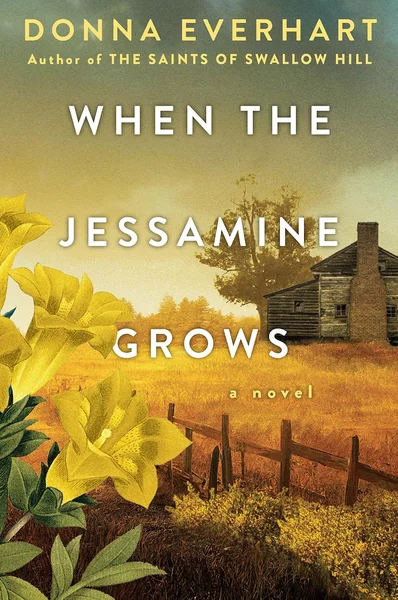
When the Jessamine Grows is a morally complex, evocative historical novel set in rural 19th-century North Carolina, in which one woman struggles to hold her family together, keep her farm running, and preserve her convictions during the Civil War — the most devastating and divisive period in American history. Published by Kensington in January 2024, it arrives from USA Today bestselling author Donna Everhart, a recipient of the North Carolina Society of Historians Award of Excellence and the SELA Outstanding Southeastern Author Award, and is designed with book club discussion in mind.
LuvemBooks Verdict
Best for
Readers who find the Civil War most compelling when seen through the domestic sphere — women managing farms, families, and impossible moral choices — and who enjoy character-driven Southern historical fiction with rich book-club discussion potential.
Worth it if
You're drawn to civilian-perspective Civil War fiction in the tradition of Cold Mountain or Enemy Women, and value vivid regional atmosphere and morally layered characters over battlefield action.
Skip if
You're seeking military action, broad political panorama, or the epic scale that comparisons to Cold Mountain might imply — the novel's register is deliberately quieter and more intimate, and Dear Author's review notes the middle meanders with repetition and the ending drags.
What readers & critics say
The Southern Bookseller Review calls it "historical fiction at its absolute best," praising Everhart's female protagonist for showing "strength, courage and resolve in the face of the many cruelties of the Civil War." Dear Author awarded it a B-minus, noting that while the Civil War domestic premise is compelling, the middle of the book meanders with repetition and the ending drags slightly.
Sources: The Southern Bookseller Review, Dear AuthorAsk LuvemBooks
Was this helpful?
- Is it worth reading?
- For readers drawn to civilian-perspective Civil War fiction — particularly stories centered on women managing farms, families, and moral complexity while the men are gone or divided — When the Jessamine Grows is a well-crafted and emotionally substantial choice from an award-winning author with a proven track record. Everhart has earned the North Carolina Society of Historians Award of Excellence and the SELA Outstanding Southeastern Author Award, and prior critical coverage (including Booklist) has praised her ability to make characters and their experiences viscerally real. The key caveat is scope: readers expecting battlefield action, broad political panorama, or the epic scale implied by comparisons to Cold Mountain will find the novel's deliberately intimate and domestic register a quieter experience than those benchmarks suggest.
- Similar books
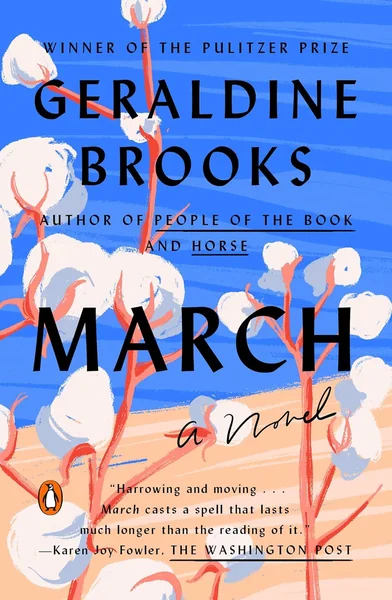
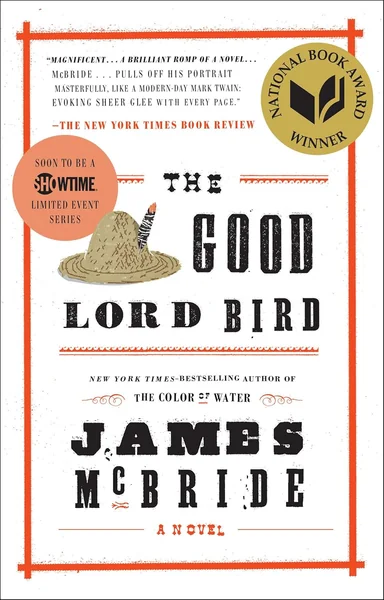
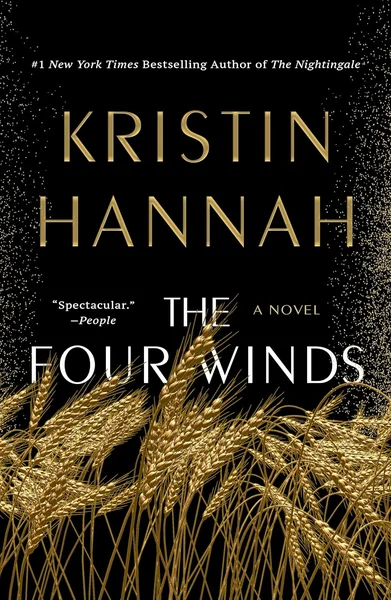
- Readers drawn to When the Jessamine Grows will find strong companions among the curated titles below. Geraldine Brooks's March and James McBride's The Good Lord Bird both engage the Civil War era from unconventional perspectives, prioritizing moral complexity over battlefield action. Kristin Hannah's The Four Winds shares Everhart's focus on women enduring catastrophic historical upheaval through sheer domestic resilience. These Tangled Threads by Sarah Loudin Thomas offers similarly grounded, regional historical fiction rooted in the American South. Cold Mountain by Charles Frazier — the title Kensington explicitly invokes in positioning Everhart's novel — remains the landmark civilian-perspective Civil War novel, though readers should note its epic scale exceeds Everhart's more intimate register.
- Who should read this?
- When the Jessamine Grows is squarely aimed at readers who find the Civil War most compelling when seen through the eyes of those left behind — women managing farms, families, and impossible moral choices while the men are gone or divided. Fans of Donna Everhart's previous work (The Saints of Swallow Hill, The Moonshiner's Daughter, The Education of Dixie Dupree) will find the same hallmarks: deeply specific Southern sense of place, character-driven tension, and ethical complexity that resists easy resolution. It is also an excellent choice for book clubs seeking morally layered historical fiction with substantial discussion potential.
- What are the main themes?
- When the Jessamine Grows engages several interlocking themes: the burden of moral conviction under impossible conditions, the domestic costs of war as experienced by women and families rather than soldiers, and the fragility of the bonds — familial, communal, agricultural — that hold rural life together under catastrophic historical pressure. Kensington frames the novel as 'morally complex,' signaling that Everhart resists easy resolution in favor of the ethical grey zones the Civil War imposed on ordinary Southern households. The novel also engages deeply with Southern regional identity and the complicated heritage of the American South.
- Is it good for book clubs?
- When the Jessamine Grows is explicitly designed and marketed with book clubs in mind — Kensington's positioning makes this a structural feature of the novel, not an afterthought. Its morally layered Civil War scenario, centered on a woman navigating ethical choices with no easy resolution, generates the kind of substantive discussion that reading groups thrive on. The novel's approximately 400-page length offers enough depth for meaningful engagement without being unwieldy for a monthly reading cycle.
- Where should I start with Donna Everhart?
- Kensington positions When the Jessamine Grows as a direct successor to The Saints of Swallow Hill, making that novel the most natural gateway into Everhart's back catalogue for readers who respond to the same Southern regionalism and moral complexity. Her other titles — The Moonshiner's Daughter and The Education of Dixie Dupree — share the same authorial hallmarks: vivid sense of place, character-driven tension, and the kind of ethical storytelling that has earned her the North Carolina Society of Historians Award of Excellence and the SELA Outstanding Southeastern Author Award.
Summarize this book
Follow up
Synthesized from verified book data & published reviews · How we review
Press Enter to ask. Answers come from our editorial Q&A — start typing to see related questions.
Age & Reading Level
Recommended age
Adult
Reading level
Adult
3 content notes · who it suits
Content to know about
Skip if you're looking for battlefield action, military history, or the broad political sweep of the Civil War rather than its domestic and emotional interior.
Our Review
What the Novel Is and What It Does
Everhart's Place in the Southern Historical Fiction Tradition
Strengths Evidenced by the Record
Genuine Limitations to Consider
Who This Novel Is For
Sources & Further Reading
The key facts and claims in this review are grounded in the retrieved, verified sources listed below.
- Cited in this review
- 1
thesouthernbooksellerreview.org
- Further reading
- 2
kensingtonbooks.com
- 3
- 4
netgalley.com
- 5
- 6
- 7
Books like When the Jessamine Grows
Curated picks for readers who enjoyed When the Jessamine Grows, with our reasoning for each match.
If you liked When the Jessamine Grows