BOOKS
Published

Read Time

8 min read

Reader rating

4.6

· 62 Amazon ratings
reader ratings, not a LuvemBooks score
Curated & edited by

LuvemBooks Editorial

How we create our reviews →
Share This Review

Our Fallen Woman by Steven Habbi Review: An Ambitious Irish Diaspora Debut

Steven Habbi's debut historical novel follows Erin, a fictional Irishwoman, from famine-haunted Galway through Dublin, London, and 1920s New York between 1880 and 1925. A sweeping, female-driven survival story blending drama, romance, and crime — though its reception record is still young.
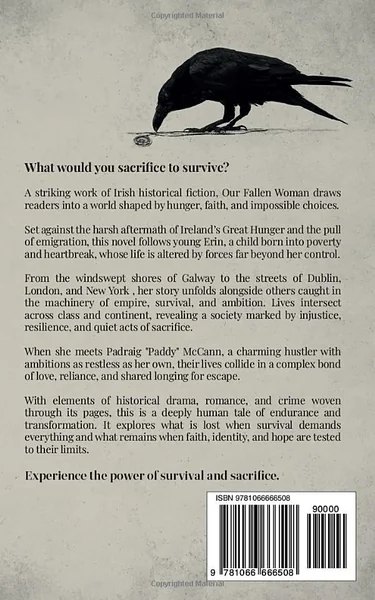
Back cover with synopsis, review quotes, barcode, and a silhouette illustration of a bird.Tap to enlarge

LuvemBooks Verdict

Best for

Readers of female-led Irish diaspora historical fiction who want to inhabit one woman's full life — Galway to Prohibition-era New York, 1880–1925 — in a fictional-biography structure that blends drama, romance, and crime.

Worth it if

Worth it if you enjoy discovering an ambitious small-press debut early and are happy to trust a strong premise plus early reader enthusiasm (4.6/5 from 62 Amazon ratings) while the broader critical record is still forming.

Skip if

Skip it — or wait — if you need a deep bench of established critical consensus before committing, or if you prefer historical fiction tightly focused on a single mode rather than a multi-genre, episodic 45-year arc.

Documented reception is young: the strongest independent notice is a Midwest Book Reviews quote carried on the book's Amazon.in listing, calling it an original and riveting read and praising Habbi's character- and narrative-driven storytelling. The author's own site, ourfallenwoman.com, frames the novel as an intimate yet sweeping tribute to women's resilience, but beyond these there is little independent critical commentary so far.

Sources: Amazon.in, Our Fallen Woman (author site)
4.6from 62 Amazon ratings— reader ratings, not a LuvemBooks score
Buy on Amazon

Age & Reading Level

Recommended age

Adult

Reading level

Adult

Content to know about

famine and historical poverty
systemic injustice and sexual double standards against women
hardship and survival-driven choices across a full lifetime

Skip if you want a tightly focused single-genre historical novel or a deep bench of established critical consensus before committing.

In This Review
  • What Works & What Doesn't
  • What the Book Is
  • Themes and Genre Placement
  • What the Sources Say It Does Well
  • Where to Be Cautious
  • Who It Is For

What Works & What Doesn't

What Works
  • Sweeping 1880–1925 arc across Galway, Dublin, London, and 1920s New York gives the story genuine historical scope
  • A woman-centered survival story explicitly framed as a tribute to real women's experiences under systemic injustice
  • Midwest Book Reviews praised Habbi's character- and narrative-driven storytelling as riveting from start to finish
  • Blends historical drama, romance, and crime for readers who like layered genre fiction
  • Fictional-biography structure lets readers inhabit one protagonist's full life across decades
What Doesn't
  • Debut novel from a small press with a very thin body of independent critical commentary so far
  • The deliberate blend of drama, romance, and crime across one life story may sprawl for readers who prefer a single focused mode
  • The 45-year, four-city arc is episodic by design rather than built around one escalating conflict
A sweeping, well-pitched debut of Irish diaspora fiction whose ambition is clear — though its reception record is still in its earliest days.

What the Book Is

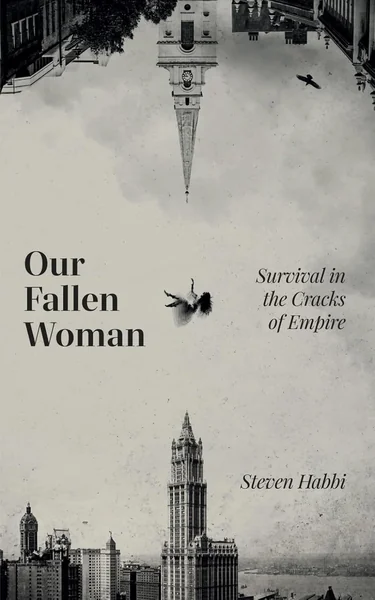
Our Fallen Woman: Survival in the Cracks of Empire is a historical novel by debut author Steven Habbi, published by Soler Coaster Ltd in January 2026. It follows Erin, a fictional Irish woman whose life stretches from 1880 to 1925 — beginning in famine-haunted Ireland, on the shores of Galway and the streets of Dublin, and carrying through London and into 1920s New York. The publisher frames her as a figure caught in "the machinery of empire," a woman whose story runs alongside others shaped by survival and ambition across continents and decades. Though Erin is invented, the novel is explicitly positioned as a tribute to the real experiences of women who endured systemic injustice across that period. The paperback edition credits Kate Taylor as editor and includes illustrations by Graeme Haig.
grounded in history yet alive with urgency

Themes and Genre Placement

The novel sits squarely in female-driven historical fiction, but the publisher describes a broader weave than a straightforward period drama: elements of historical drama, romance, and crime run through the narrative. Its stated concerns are what is lost when survival demands everything, and what remains when faith, identity, and hope are pushed to their limits. The geographic arc — Ireland under the shadow of hunger and empire, then London, then Prohibition-era New York — places it in the tradition of Irish diaspora epics, stories that treat emigration not as a single journey but as a lifelong condition. Habbi, a Canadian author and creative producer based in London, has described the book through his own site as a story "grounded in history yet alive with urgency," aimed at readers who want both intimacy and sweep.

What the Sources Say It Does Well

The strongest reception on record comes from a Midwest Book Reviews notice carried on the book's retail listings, which calls the novel a riveting read from start to finish and credits Habbi with a natural flair for character- and narrative-driven storytelling, describing the book as both a historical novel and a fictional biography. That phrase — fictional biography — is a useful pointer to the book's design: it is built as one woman's full life rather than a single contained plot, which suits readers who like to live inside a protagonist for decades. The premise itself is the other clear strength. The 1880–1925 span covers some of the most consequential terrain in Irish and immigrant-American history, and centering a woman whose survival depends on navigating the "cracks" of that world gives the novel a built-in emotional engine that the publisher's synopsis leans on heavily and coherently.
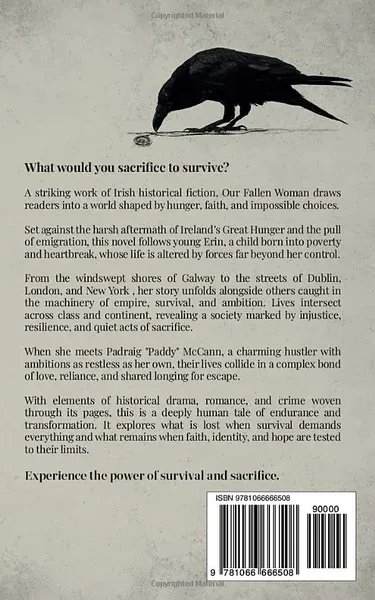
Back cover with synopsis, review quotes, barcode, and a silhouette illustration of a bird.

Where to Be Cautious

This is a debut novel from a small press, published in 2026, and its documented reception is correspondingly young. Beyond the Midwest Book Reviews notice and the publisher's own copy, there is little independent critical commentary to draw on yet, so readers who weigh a broad base of reviews before committing will find the record thin at this stage. The multi-genre blend — drama, romance, and crime in one life story — is also a deliberate risk: readers who prefer their historical fiction tightly focused on a single mode may find the ambition sprawls. And at 352 pages covering forty-five years and four cities, the novel asks for commitment to a long, episodic arc rather than a single escalating conflict.

Who It Is For

This is a natural pick for readers of female-led Irish historical fiction — the Galway-to-New York lineage that runs through so much of the genre — and for anyone drawn to immigrant sagas where the historical backdrop is the antagonist as much as any person. The publisher's description promises a story "both intimate and sweeping," and everything on record supports that this is exactly the reading experience the book is designed to deliver. Those who value a deep bench of established critical consensus may prefer to watch how the book's reputation develops; those who enjoy discovering a debut early will find a premise with real scope and at least one enthusiastic independent endorsement behind it.

Sources & Further Reading

The key facts and claims in this review are grounded in the retrieved, verified sources listed below.

  1. Cited in this review
  2. 1
  3. Further reading
  4. 2
  5. 3