9 min read
3.3
· 15 Amazon ratingsShare This Review
The Frontiersman by Charles Egbert Craddock Review: A Rare Glimpse of Early American Frontier Fiction
The Frontiersman (also published as The Frontiersmen) is a collection of short stories by Mary Noailles Murfree, writing under her pen name Charles Egbert Craddock, originally published in 1904 and reissued in a 2017 CreateSpace paperback edition. Set on the Tennessee and Appalachian frontier, the stories explore early settlers and Cherokee encounters through the lens of one of the 19th century's most distinctive regional voices. This review covers the book's content, historical context, and reception as drawn from published sources — not hands-on use or reading.
LuvemBooks Verdict
Best for
Readers with an interest in American regional and local-color fiction who want to explore an underappreciated voice of the genre — Mary Noailles Murfree — through stories engaging frontier life, settler–Cherokee encounters, and early Appalachian landscapes on their own early-twentieth-century terms.
Worth it if
Worth seeking out if you're curious about the frontier period as imagined by a writer with genuine firsthand immersion in Cumberland Mountain landscapes, and you can engage the text as the historically situated document it is.
Skip if
Skip it if you need a scholarly edition with critical apparatus, annotations, or an editorial introduction to guide you — the 2017 CreateSpace reprint is a plain public-domain reproduction with none of that contextual support.
What readers & critics say
Project Gutenberg, which hosts the digitized text, describes the work as a historical novel set against the backdrop of frontier America exploring themes of love, conflict, and survival. Barnes & Noble's product page confirms the biographical foundation of Murfree's fiction, noting her fifteen successive summers in the Cumberland Mountains of East Tennessee as the experiential basis for her regional writing.
Sources: Project Gutenberg, Barnes & NobleAsk LuvemBooks
Was this helpful?
- Is it worth reading?
- For readers drawn to American regional fiction and the history of Cherokee-settler encounter as rendered through an early-twentieth-century lens, LuvemBooks considers The Frontiersman well worth the effort — its chief strength is a rootedness in observed place that armchair historical fiction rarely achieves, grounded in Murfree's fifteen successive summers in the Cumberland Mountains. The collection also holds genuine literary-historical value as a significant and underexplored voice in American local-color fiction, published under the pen name Charles Egbert Craddock at a time when women writers concealed their identities for equal critical footing. The honest caveat is one of historical distance: readers expecting contemporary sensitivity to Indigenous cultures will find the collection a product of its 1904 moment, and those wanting scholarly apparatus will need to look beyond the plain 2017 CreateSpace reprint.
- Similar books
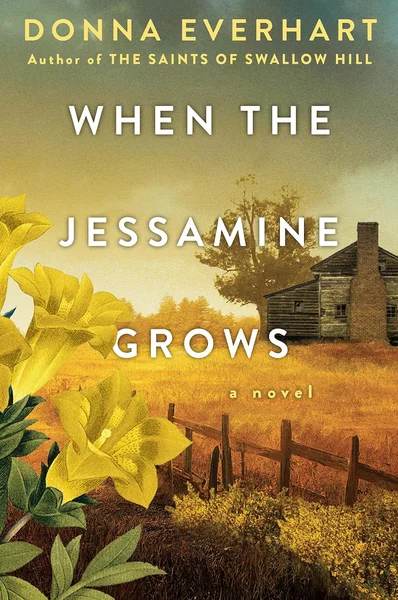
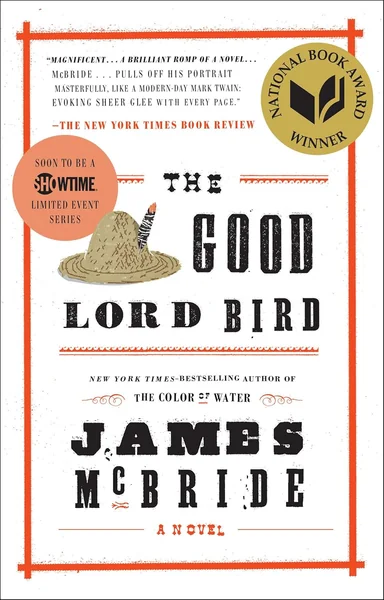
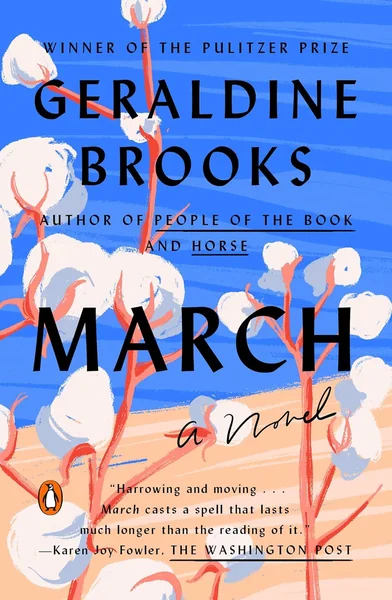
- Readers who appreciate The Frontiersman's blend of American historical fiction and regional specificity may find strong resonance in several nearby titles. Donna Everhart's When the Jessamine Grows and Sarah Loudin Thomas's These Tangled Threads both offer immersive, place-rooted storytelling in the American South and Appalachian tradition. For historical fiction that wrestles seriously with race, conflict, and American identity from the margins, James McBride's The Good Lord Bird and Geraldine Brooks's March bring comparable moral weight and period texture. Stephanie Dray and Laura Kamoie's America's First Daughter likewise explores women navigating constrained roles against a richly rendered American historical backdrop. Murfree's own In the Tennessee Mountains and The Prophet of the Great Smoky Mountains are her most closely related works, sharing the same regional focus and pen name, though they are not currently in the LuvemBooks catalogue.
- Who should read this?
- The Frontiersman is best suited to adult readers with an interest in American regional and local-color fiction, the history of the Cherokee-settler frontier, or the literary history of women writers working under male pseudonyms in the nineteenth and early twentieth centuries. It will particularly reward those curious about how early American writers imagined and rendered Cherokee and settler worlds, and those researching Murfree's place in the Appalachian and Southern literary tradition. Readers who prefer contemporary sensitivity in depictions of Indigenous cultures, or who expect scholarly annotation in their editions, will want to approach with adjusted expectations.
- How should I read this given its age?
- LuvemBooks is direct on this point: The Frontiersman is a product of 1904, and its representations of Cherokee characters and frontier life reflect the assumptions and conventions of that era, not contemporary standards of Indigenous representation. The review frames this as a limitation of historical distance rather than literary quality — the collection is valuable as a historical document precisely because it is not a modern one. Readers are encouraged to supplement the plain 2017 CreateSpace reprint with outside critical resources, since the edition includes none of the scholarly apparatus — annotations, editorial introduction, or contextual notes — that would aid responsible reading.
- Why does the pen name matter?
- Mary Noailles Murfree published The Frontiersman and all her work as Charles Egbert Craddock because, at the time, women writers routinely adopted male pseudonyms to ensure their work received critical reception on equal terms. Her cover held for years before her true identity became publicly known — a detail that speaks to both the literary culture of the era and the lengths women authors had to go to be taken seriously. LuvemBooks highlights this as part of what makes Murfree a significant figure in American literary history, representing an underexplored voice whose reception was shaped by these structural conditions.
- Which edition should I get?
- For most general readers, the choice is between the free digital edition on Project Gutenberg — where the text has been digitized and proofread by volunteers — and the 2017 CreateSpace paperback, which makes the title available in physical print for those who prefer the format or want it for their collection. LuvemBooks is clear that the CreateSpace edition is a plain public-domain reproduction and includes none of the scholarly apparatus — no critical introduction, annotations, or editorial notes. Scholars and readers seeking contextual guidance will need to supplement either edition with outside resources, as no annotated scholarly edition is identified in the review.
Summarize this book
Follow up
Synthesized from verified book data & published reviews · How we review
Press Enter to ask. Answers come from our editorial Q&A — start typing to see related questions.
Age & Reading Level
Recommended age
Adult
Reading level
Adult
3 content notes · who it suits
Content to know about
Skip if you expect contemporary, nuanced representations of Indigenous cultures and Cherokee perspectives rather than an early-twentieth-century historical document.
Our Review
What the Book Actually Is
The Author Behind the Pen Name
Significance in American Regional Literature
Strengths of the Collection
Limitations and Who Should Approach with Care
Books like The Frontiersman
Curated picks for readers who enjoyed The Frontiersman, with our reasoning for each match.
If you liked The Frontiersman