
8 min read
4.0
· 4,102 Amazon ratingsShare This Review
Hotel Du Lac by Anita Brookner Review: A Quiet, Prizewinning Novel of Solitude
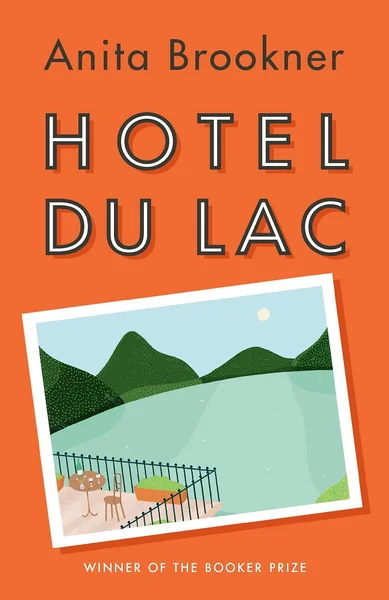
Hotel du Lac is Anita Brookner's Booker Prize–winning novel about Edith Hope, a romance novelist exiled to a Swiss lakeside hotel, where her encounters with fellow guests — including the calculating Mr. Neville and the imperious Mrs. Pusey — force a reckoning with independence, convention, and desire. Though its prize win was contested and its plot arc drew some critical reservations, the novel's prose precision and wry emotional intelligence have secured it a lasting place in twentieth-century British fiction, and Wikipedia's reception summary notes it was one of the top ten bestselling books of the 1980s.
LuvemBooks Verdict
Best for
Readers drawn to restrained, ironic British literary fiction — particularly those who prize sentence-level prose craft and character-driven interiority over plot momentum — and anyone looking for a natural entry point into Anita Brookner's body of work.
Worth it if
You value compression, dry wit, and a protagonist whose quiet refusal of social compromise is itself the drama — and you're prepared to meet a novel that works through what it withholds as much as what it states.
Skip if
You need narrative momentum or a satisfying resolution, as the novel's deliberately narrow, interior world — one hotel, one off-season, a handful of characters — and a second half widely noted to grow contrived will leave plot-driven readers cold.
What readers & critics say
The Guardian credits Brookner's prose as "so splendid in its own right that Hotel du Lac never felt less than impressive," while also noting that the novel's contested 1984 Booker Prize win drew significant critical flak — Malcolm Bradbury called it "parochial," and Brookner herself suggested J. G. Ballard's Empire of the Sun was the more deserving winner. Kirkus Reviews, in its original 1984 notice, judged the novel "less subtle, more artificial than Brookner's three previous, similar character-portraits," with themes "laid on thick," though Foxed Quarterly affirms it remains Brookner's most popular novel and the one that most clearly sets out the ideas underlying her whole body of work.
“Brookner's prose is so splendid in its own right that Hotel du Lac never felt less than impressive — but the opening gives way to something more overwrought.”
— The Guardian“In many ways, this sad little comedy is less subtle, more artificial than Brookner's three previous, similar character-portraits: the themes are laid on thick.”
— Kirkus ReviewsAge & Reading Level
Recommended age
Adult
Reading level
Adult
Skip if You're looking for plot-driven fiction with narrative momentum or dramatic external events.
In This Review
- What Works & What Doesn't
- What the Novel Is and What It Contains
- Literary Standing and the Booker Prize Controversy
- What the Book Does Well
- Where the Novel Invites Criticism
- Who This Novel Is For
What Works & What Doesn't
What Works
- Winner of the 1984 Booker Prize, with enduring recognition as one of the bestselling British novels of that decade
- Anne Tyler, writing in critical coverage, called it 'Brookner's most absorbing novel' and praised its distinctive tone
- Kirkus Reviews highlighted its 'extra-dry humor, tartly wistful introspection, and literary self-consciousness' as sources of genuine pleasure
- Brookner's prose is consistently commended across reviews, with critical coverage noting it 'never felt less than impressive'
- A sharply focused character study built around Edith Hope's refusal of easy social compromises
What Doesn't
- Critical coverage found it 'less subtle, more artificial' than Brookner's earlier novels, with themes 'laid on thick'
- The Guardian's critic argued the novel's second half grows 'overwrought,' with Mr. Neville's proposal making an otherwise natural narrative 'seem contrived'
- Its prize win was contested at the time, with critics including Malcolm Bradbury and Brookner herself questioning whether it was the strongest Booker candidate that year
- The deliberately narrow, interior focus will frustrate readers seeking plot momentum or eventful storytelling
What the Novel Is and What It Contains
Literary Standing and the Booker Prize Controversy
What the Book Does Well
Where the Novel Invites Criticism
Who This Novel Is For
Frequently Asked Questions
Sources & Further Reading
The key facts and claims in this review are grounded in the retrieved, verified sources listed below.
- Cited in this review
- 1
anarrativeoftheirown.substack.com
- 2
penguinrandomhouse.com
- 3
jacquiwine.wordpress.com
- Further reading
- 4
en.wikipedia.org
- 5
theguardian.com
- 6
thebookerprizes.com
- 7
- 8
- 9
encyclopedia.com
- 10
- 11
barnesandnoble.com
- 12
Reader Comments
No comments yet
Be the first to share your thoughts!