Our reviews
89 fiction books we've reviewed, each with who it's for, who should skip it and every source we used.
89 reviews match
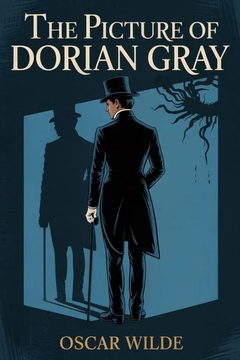
Oscar Wilde
Best for: Readers drawn to ideas as much as plot — particularly those interested in Gothic fiction, Victorian literature, or philosophical horror — who want a richly layered novel that works simultaneously as moral fable, aesthetic manifesto, and supernatural tale.
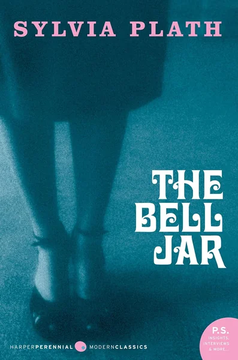
Sylvia Plath
Best for: Readers drawn to confessional literature, mid-century American fiction, or first-person psychological narratives who want a novel that functions simultaneously as a feminist critique of 1950s societal expectations and a raw, roman à clef account of a young woman's breakdown and recovery.
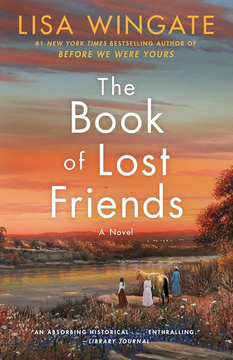
Lisa Wingate
Best for: Readers drawn to American history beyond the standard Civil War canon — particularly teachers, book clubs, and fans of Lisa Wingate's Before We Were Yours — who want an emotionally driven, dual-timeline story rooted in the real, underrepresented history of post–Civil War "Lost Friends" newspaper advertisements.
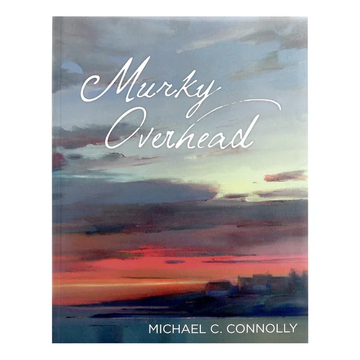
Michael C. Connolly
Best for: Readers drawn to character-driven historical fiction who have ties to Irish-American heritage, Maine's Munjoy Hill community, or working-class immigrant narratives and want a richly researched, intimate portrait of one family's day rather than a sweeping epic.
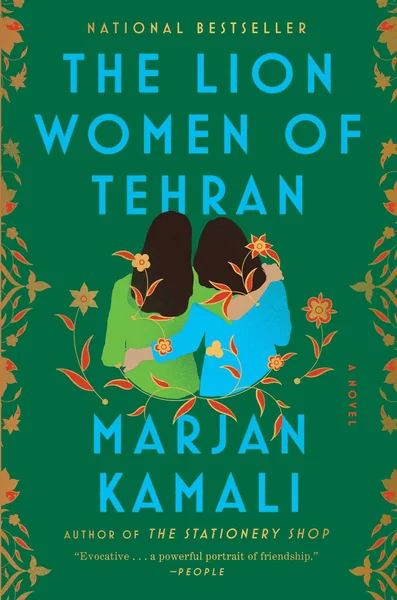
Marjan Kamali
Best for: Readers who love sweeping, historically grounded friendship sagas — particularly those drawn to modern Iranian history and women's resistance narratives — who responded to Kamali's earlier The Stationery Shop and are ready to invest in a seven-decade story.
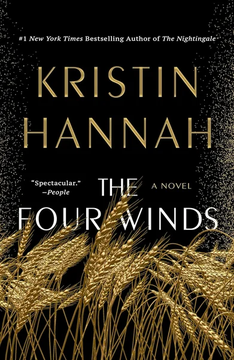
Kristin Hannah
Best for: Readers who love emotionally driven, female-centered historical fiction and want an unflinching saga of Depression-era and Dust Bowl hardship anchored by a resilient protagonist whose arc from outcast to survivor delivers sustained cathartic power.
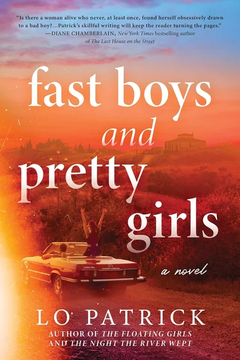
Lo Patrick
Best for: Readers of literary Southern fiction who want a mystery used as a scaffold for excavating character and memory — specifically those drawn to psychologically dense, dual-timeline narratives about first love, family wounds, and the weight of the past set in a vividly atmospheric North Georgia landscape.
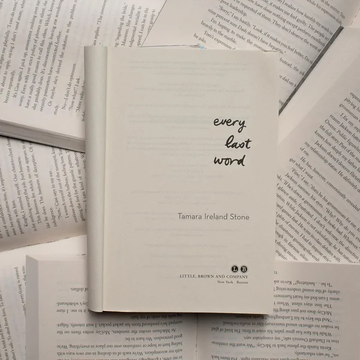
Tamara Ireland Stone
Best for: Teens and young adult readers drawn to emotionally interior mental health narratives — particularly those who want OCD portrayed through its cognitive and psychological reality rather than through visible behavioral tics, and who enjoy a realistic contemporary setting with a secret-society hook and a structural twist.
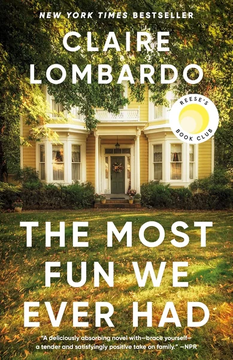
Claire Lombardo
Best for: Readers who love expansive American family sagas — think Anne Tyler or Jonathan Franzen — and want a multigenerational novel that balances dark comedy, sisterly rivalry, and a decades-long love story with genuine literary ambition.
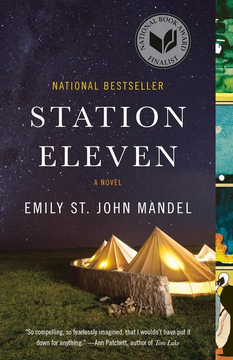
Emily St. John Mandel
Best for: Readers who want a single novel to satisfy both their literary and speculative fiction appetites — particularly those drawn to questions of art, memory, and what civilisation is actually for, rendered through interwoven human lives rather than genre mechanics.
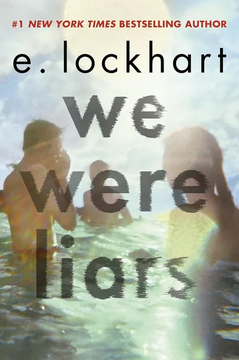
E. Lockhart
Best for: Readers aged roughly 14 and up who enjoy psychological mystery and morally complex family drama, and who are willing to surrender to an unreliable, fragmented narrator in exchange for a twist that reframes everything they've read.
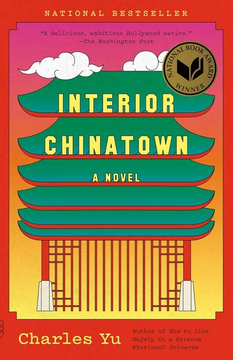
Charles Yu
Best for: Readers of formally adventurous literary fiction who are drawn to culturally urgent satire — particularly those interested in race, Hollywood representation, and the Asian American immigrant experience — and who are willing to engage with a novel that deploys screenplay structure as its central argument.
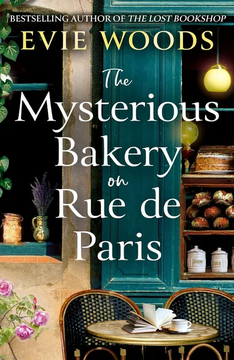
Evie Woods
Best for: Readers who love emotionally layered magical realism set in evocative European locales — particularly those drawn to food, France, grief-inflected romance, and dual-timeline narratives in the vein of Before the Coffee Gets Cold.
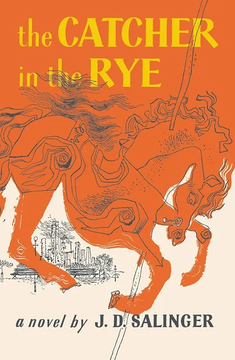
J. D. Salinger
Best for: Readers drawn to confessional, first-person narration and psychologically complex protagonists who want to understand why Holden Caulfield became a defining icon of adolescent alienation in American literature.
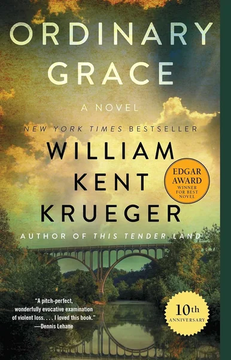
William Kent Krueger
Best for: Readers who love literary mysteries where atmosphere, moral inquiry, and retrospective narration take precedence over genre mechanics — particularly those drawn to coming-of-age stories set against grief, faith, and small-town American life.
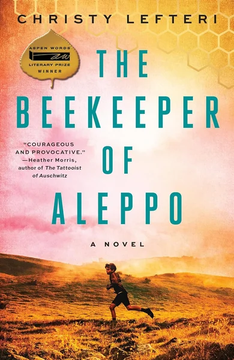
Christy Lefteri
Best for: Readers of character-driven literary fiction who want the Syrian refugee crisis rendered through intimate human experience — grief, survival, and quiet tenderness — rather than political analysis.
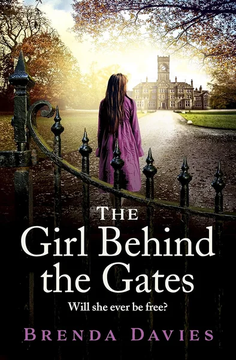
Brenda Davies
Best for: Readers drawn to emotionally intense historical fiction rooted in real events — particularly those with an interest in women's history, medical ethics, or institutional injustice — who appreciate narratives that balance harrowing subject matter with a redemptive, ultimately uplifting arc.
James Wood Davidson
Best for: Researchers, scholars, or collectors with a pre-existing, specific interest in the nineteenth-century American writer James Wood Davidson who need affordable access to an otherwise out-of-print historical text.
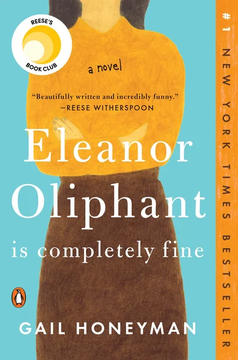
Gail Honeyman
Best for: Readers drawn to character-driven literary fiction who want emotional range — dark psychological depth wrapped in deadpan humour — and who respond to stories of found family and incremental healing.
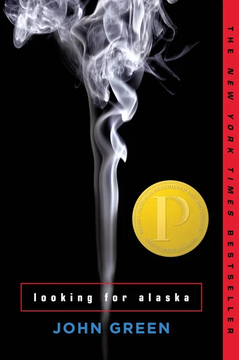
John Green
Best for: Readers aged 16 and up who want young adult fiction that takes adolescent grief, moral ambiguity, and philosophical inquiry as seriously as adult literary fiction — particularly those drawn to structurally inventive storytelling and John Green's wider body of work.
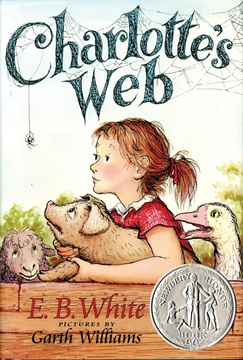
E. B. White
Best for: Readers aged five and up — and adults revisiting childhood favourites — who want a beautifully written story about friendship, sacrifice, and mortality that treats young readers as emotionally capable without losing an ounce of warmth.
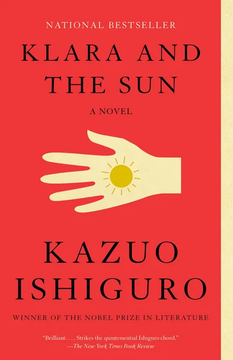
Kazuo Ishiguro
Best for: Readers who loved Never Let Me Go and are drawn to quiet, philosophically rich literary fiction that uses a speculative premise — here, an AI narrator — to explore mortality, love, and what it means to be human.
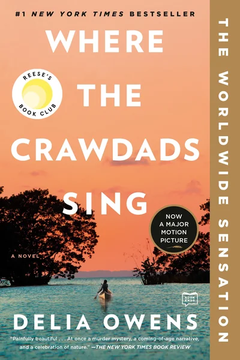
Delia Owens
Best for: Readers who love immersive sense-of-place fiction and want a cross-genre story that blends survival, romance, and courtroom mystery — especially those drawn to the natural world and emotionally resonant coming-of-age narratives.
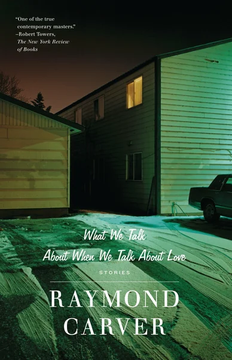
Raymond Carver
Best for: Readers already drawn to American literary minimalism, the working-class realist tradition, or Carver's wider body of work who want to engage with the collection that first established his reputation and remains a touchstone of the short story form.
