

8 min read
4.2
· 80,686 Amazon ratingsFeatured In
Share This Review
We Were Liars by E. Lockhart Review: A Gripping YA Mystery With Real Bite
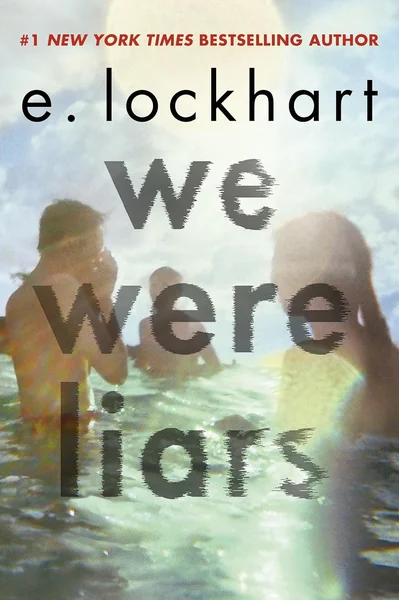
E. Lockhart's We Were Liars is a critically acclaimed 2014 young-adult novel built around the wealthy, seemingly perfect Sinclair family and a summer that Cadence Sinclair Eastman cannot remember. Winner of the Goodreads Choice Award for Best Young Adult Fiction and recipient of a starred review from critical coverage, it remains a landmark of contemporary YA fiction, praised for its razor-sharp prose and a twist that author R.L. Stine called the most heartbreaking he had ever encountered.
LuvemBooks Verdict
Best for
Readers aged roughly 14 and up who enjoy psychological mystery and morally complex family drama, and who are willing to surrender to an unreliable, fragmented narrator in exchange for a twist that reframes everything they've read.
Worth it if
You're drawn to narratives that weaponise form itself — where the structure, the amnesia, and the figurative prose are all doing deliberate thematic work — and you can tolerate sustained ambiguity in the early chapters.
Skip if
You prefer clear, chronological storytelling and a narrator whose descriptions of pain and emotion are literal rather than figurative, as Cadence's abstracted, memory-fractured voice may try your patience before the payoff arrives.
What readers & critics say
Kirkus Reviews awarded the novel a starred review, calling it "riveting, brutal and beautifully told," and named it among its Best Books of 2014; en.wikipedia.org's reception summary records that it won the Goodreads Choice Award for Best Young Adult Fiction and was listed as an ALA Top Ten Best Fiction for Young Adults for 2015, while also noting the ending is something Lockhart "just about manages to pull off" — a qualified compliment acknowledging the trust the novel demands of its reader.
“Riveting, brutal and beautifully told — a devastating tale of greed and secrets springs from the summer that tore Cady's life apart.”
— kirkusreviews.com“The story shines through the pages, whisking you away to Beechwood Island and throwing you right into the centre of the Sinclair family drama.”
— theguardian.comAge & Reading Level
Recommended age
Ages 12–18
Reading level
Young adult
3 content notes · who it suits
Content to know about
Best for: Ages 14+ — the novel's morally complex ending, themes of grief and complicity, and narration shaped by chronic pain and Percocet dependency suit confident older teen readers rather than younger audiences within the 12–17 range.
Skip if you prefer straightforward chronological narration and want a payoff that doesn't require sustained patience with ambiguity.
In This Review
- What Works & What Doesn't
- What the Novel Is and What It Does
- Structure, Influences, and Design Intent
- Critical Reception and Awards
- Where the Novel Challenges Its Readers
- Who the Book Is Designed For and Its Ongoing Relevance
What Works & What Doesn't
What Works
- Won the Goodreads Choice Award for Best Young Adult Fiction and earned a starred review from critical coverage, which called it 'riveting, brutal and beautifully told'
- Named among the best YA books of 2014 by critical coverage, critical coverage, School Library Journal, and The Wall Street Journal, and listed as an ALA Top Ten Best Fiction for Young Adults for 2015
- Deliberately constructed with a fairy-tale structure and a central metaphor — amnesia as denial — that critics noted gives the novel uncommon thematic coherence
- The character of Gat Patil, drawn partly from Emily Brontë's Wuthering Heights, adds an outsider's perspective that cuts through the Sinclair family's insular mythology
- A television adaptation in development by Julie Plec and Universal Television speaks to the story's sustained cultural traction a decade after its first publication
What Doesn't
- Cadence's highly figurative narration of pain and emotion can be disorienting — a critical coverage-published review noted readers may need a moment to register when she is speaking metaphorically rather than literally
- The novel demands sustained trust before its payoff; critics noted the ending is something Lockhart only just manages to pull off, making the experience front-loaded with ambiguity that not every reader will find rewarding
What the Novel Is and What It Does
Structure, Influences, and Design Intent
Critical Reception and Awards
Where the Novel Challenges Its Readers
Who the Book Is Designed For and Its Ongoing Relevance
Frequently Asked Questions
Sources & Further Reading
The key facts and claims in this review are grounded in the retrieved, verified sources listed below.
- Cited in this review
- 1
audible.com
- 2
en.wikipedia.org
- Further reading
- 3
E. Lockhart, Wikipedia
- 4
- 5
emilylockhart.com
- 6
armedwithabook.com
- 7
- 8
- 9
benjaminmcevoy.com
- 10
- 11
barnesandnoble.com
Related Reviews
Reviews of books we picked for readers who enjoyed We Were Liars.

Reader Comments
No comments yet
Be the first to share your thoughts!