8 min read
4.6
· 60,213 Amazon ratingsShare This Review
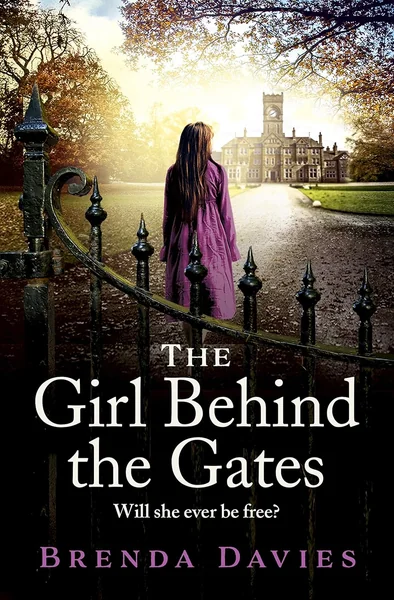
The Girl Behind the Gates by Brenda Davies Review: Haunting Debut Historical Fiction with Real Heart
A top ten bestselling debut historical novel published by Hodder & Stoughton, The Girl Behind the Gates is based on a true story and follows seventeen-year-old Nora Jennings, whose life is upended by the psychiatric system of 1939 — a raw, heartbreaking, and ultimately uplifting work of historical fiction that draws on author Brenda Davies's career as a consultant psychiatrist.
LuvemBooks Verdict
Best for
Readers drawn to emotionally intense historical fiction rooted in real events — particularly those with an interest in women's history, medical ethics, or institutional injustice — who appreciate narratives that balance harrowing subject matter with a redemptive, ultimately uplifting arc.
Worth it if
You're seeking historical fiction that carries genuine moral weight and emotional truth, especially if the author's rare insider expertise as a consultant psychiatrist giving clinical authority to the portrayal of mid-twentieth-century institutional care appeals to you.
Skip if
You prefer lighter or more plot-driven historical fiction and are sensitive to unflinching depictions of institutional cruelty, confinement, and the systematic mistreatment of women — the journey toward uplift here is genuinely harrowing.
What readers & critics say
Pickagoodbook.com highly recommends the novel as a "poignant, thought-provoking debut," describing it as "raw, heartbreaking yet ultimately uplifting." Reader voices aggregated on kobo.com and books.apple.com are emphatic in their enthusiasm, with five-star reviewers calling it "a heartbreakingly emotional story" and declaring they "couldn't put it down," recommending it "a hundred times over."
Sources: pickagoodbook.com, kobo.com, books.apple.comAsk LuvemBooks
Was this helpful?
- Is it worth reading?
- For readers drawn to emotionally intense historical fiction rooted in real events, The Girl Behind the Gates delivers on both moral weight and emotional truth. The novel achieved top ten bestseller status, and endorsements from established authors are notably specific in their praise: Renita D'Silva called it 'compelling, poignant, haunting, heart wrenching — just beautiful,' while Sharon Maas described it as 'a powerful true story written with such a light but sure touch — hauntingly beautiful and wonderfully uplifting.' The one honest caveat is that the subject matter — the confinement and mistreatment of a young woman in a 1939 psychiatric institution — is genuinely harrowing, and readers who prefer lighter or more plot-driven historical fiction may find the emotional demands significant.
- Similar books
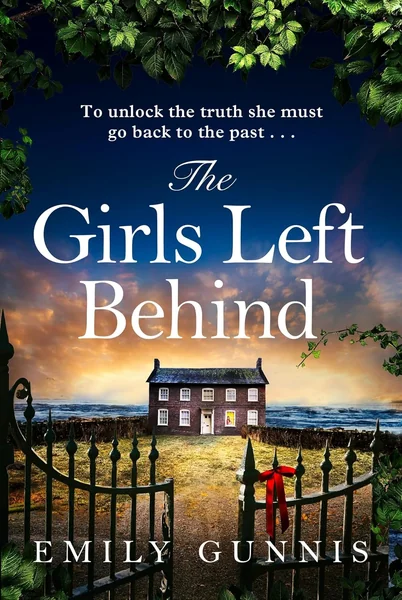
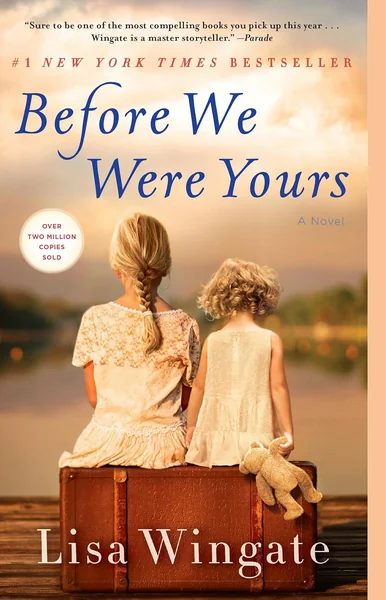
- Readers who connect with The Girl Behind the Gates — drawn to emotionally intense historical fiction rooted in real events, particularly around institutional injustice and women's history — will find strong companions among the curated titles below. Emily Gunnis's The Girls Left Behind and Lisa Wingate's Before We Were Yours both explore institutional cruelty and its long shadow across generations. For sweeping, women-centred historical narratives with moral depth, Kristin Hannah's The Four Winds and Georgia Hunter's We Were the Lucky Ones deliver similar emotional weight grounded in real historical trauma. Alice Walker's The Color Purple offers a classic reckoning with silencing and survival, while Kristina McMorris's Sold on a Monday shares the blend of true-story inspiration and heartbreaking human cost.
- Who should read this?
- This novel is most directly suited to readers of emotionally intense historical fiction, particularly those with an interest in women's history, medical ethics, or institutional injustice. Fans of comparable works like The Girl in the Letter and Philomena — stories that place a human face on systemic cruelty — are a natural fit. It also holds particular appeal for readers interested in the history of psychiatric care, given that Dr. Brenda Davies writes from the inside of that world as a consultant psychiatrist. Readers who prefer lighter, more plot-driven historical fiction, or who are sensitive to depictions of institutional mistreatment of women, should approach with that expectation clearly in mind.
- About Brenda Davies
- Brenda Ethel Davies was an Australian actress and stage manager.
- What are the main themes?
- The Girl Behind the Gates centres on institutional injustice, the silencing and confinement of women, and the human cost of psychiatric systems designed to contain rather than heal. Through Nora Jennings's specific ordeal, the novel illuminates a broader historical reality about how women were treated within mid-twentieth-century institutions — stripped of autonomy, dignity, and possibility. Running alongside these darker threads is a counter-theme of resilience and compassion: the book is described consistently as a testament to 'the triumphant power of the human spirit and people's capacity to love and nurture others,' giving it an ultimately uplifting emotional arc despite its harrowing subject matter.
- Is this a good book club pick?
- The Girl Behind the Gates offers rich material for book club discussion: a true-story foundation that raises questions about historical and institutional accountability, a protagonist in Nora Jennings whose ordeal is specific enough to be viscerally felt yet representative of a broader pattern of injustice, and a narrative arc that balances heartbreak with redemption. The novel's intersection of women's history, medical ethics, and moral courage gives groups multiple angles of entry. The emotional intensity is worth flagging in advance — but for clubs that embrace challenging, discussion-worthy fiction, this debut delivers on both counts.
Summarize this book
Follow up
Synthesized from verified book data & published reviews · How we review
Press Enter to ask. Answers come from our editorial Q&A — start typing to see related questions.
Age & Reading Level
Recommended age
Adult
Reading level
Adult
3 content notes · who it suits
Content to know about
Best for: Adults — the novel's unflinching portrayal of the confinement and mistreatment of women within a 1939 psychiatric institution makes it best suited to adult readers.
Skip if You are looking for lighter or plot-driven historical fiction and prefer to avoid sustained emotional weight and depictions of institutional cruelty.
Our Review
What the Novel Is and What It Contains

The Author's Distinctive Credentials
Reception and Emotional Resonance
Thematic Depth and What the Story Confronts
Who This Book Is For and Where It Falls
Sources & Further Reading
The key facts and claims in this review are grounded in the retrieved, verified sources listed below.
- Cited in this review
- 1
pickagoodbook.com
- 2
- Further reading
- 3
Brenda Davies, Wikipedia
- 4
- 5
- 6
- 7
Books like The Girl Behind the Gates
Curated picks for readers who enjoyed The Girl Behind the Gates, with our reasoning for each match.
If you liked The Girl Behind the Gates