
9 min read
4.3
· 3,092 Amazon ratingsShare This Review
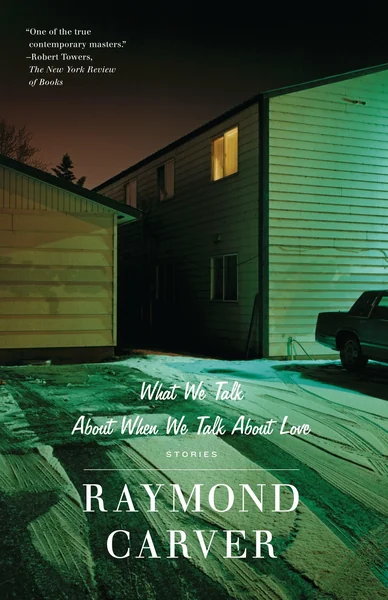
What We Talk About When We Talk About Love by Raymond Carver Review: A Landmark of American Minimalist Fiction
Raymond Carver's short story collection What We Talk About When We Talk About Love is widely regarded as one of the most significant works in American short fiction, a spare and unsparing examination of love, loss, and the quiet devastation of ordinary life — the collection that, as Wikipedia's reception summary notes, turned Carver into a household name in the publishing industry.
LuvemBooks Verdict
Best for
Readers already drawn to American literary minimalism, the working-class realist tradition, or Carver's wider body of work who want to engage with the collection that first established his reputation and remains a touchstone of the short story form.
Worth it if
You're willing to sit with unresolved endings and prose that carries enormous emotional freight beneath a deliberately plain surface — the rewards are there, but they require patience and a tolerance for systematic withholding.
Skip if
You prefer narrative closure, psychological interiority made explicit, or expansive prose — Carver's structural minimalism and relentlessly compressed register will feel punishing rather than illuminating, especially read across all seventeen stories in a single sitting.
What readers & critics say
Wikipedia describes the collection as considered by many to be "one of American literature's most ambitious short-story collections" and credits it as the work that turned Carver into a household name in publishing. Kirkus Reviews, in its original 1981 notice, praised the stories as "scary in how quickly they unfold," finding within their small dimensions "a frequent radicalism of emotion, a back-against-the-wall-ness that's startling," and encyclopedia.com records Donald Newlove's widely cited verdict that the book contains "seventeen tales of Hopelessville… told in a prose as sparingly clear as a fifth of iced Smirnoff."
“Scary in how quickly they unfold, the stories contain a frequent radicalism of emotion, a back-against-the-wall-ness that's startling.”
— Kirkus ReviewsAsk LuvemBooks
Was this helpful?
- Is it worth reading?
- For readers drawn to literary short fiction, What We Talk About When We Talk About Love is considered essential — Wikipedia describes it as one of American literature's most ambitious short-story collections, and the New York Review of Books called Carver 'one of the true American masters.' Stories like the title piece and 'Why Don't You Dance?' have achieved lasting cultural currency, referenced in film, theater, and literary criticism over four decades. The key caveat is that the collection's extreme compression and systematically unresolved endings require genuine patience; this is a book that rewards those willing to sit with discomfort rather than readers seeking catharsis or narrative closure. For those already engaged with Carver's wider work — or approaching the collection after Cathedral — it offers an essential, if starker, reference point.
- Similar books
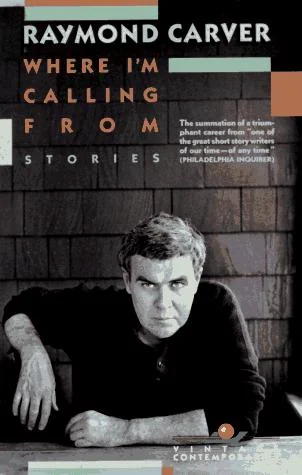
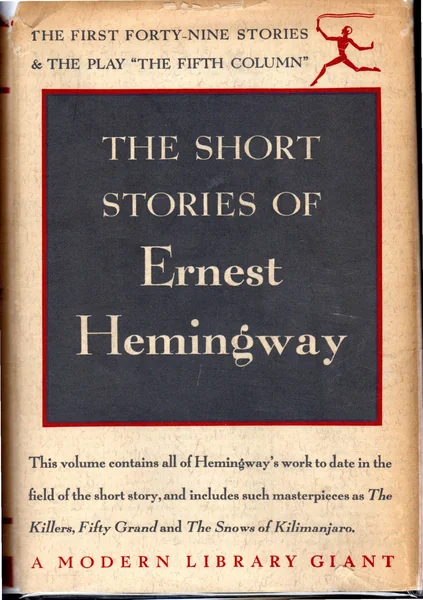
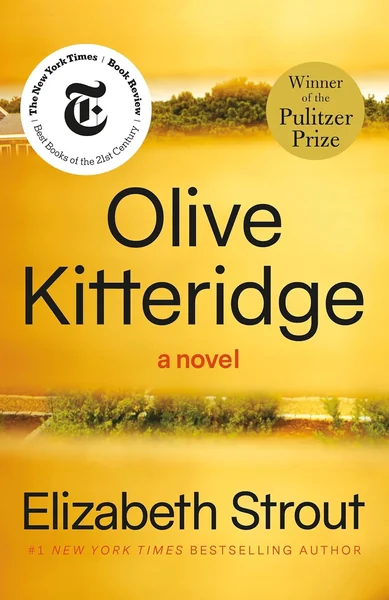
- Readers drawn to What We Talk About When We Talk About Love will find natural companions in the curated selection below. Carver's own Cathedral — also reviewed on LuvemBooks — offers a slightly warmer but equally precise companion volume, and is often recommended alongside this collection as part of one of American literature's most celebrated bodies of short fiction. The Short Stories of Ernest Hemingway, also in the LuvemBooks catalogue, shares Carver's iceberg-theory minimalism and working-class emotional register. Richard Ford's Rock Springs and Denis Johnson's Jesus' Son occupy similar territory — working-class American lives rendered in compressed, unsentimental prose — while Elizabeth Strout's Olive Kitteridge and Jenny Offill's Dept. of Speculation extend the tradition into longer-form but equally fragmented explorations of love and marital life.
- Who should read this?
- What We Talk About When We Talk About Love is best suited to adult readers with an appetite for literary short fiction, particularly those drawn to minimalist prose, psychological interiority, and the texture of working-class American life. It is an especially strong choice for readers already familiar with the tradition — Hemingway's short stories, or Carver's own Cathedral — who are ready for a demanding, unsparing experience rather than a comfortable one. Readers seeking resolved narrative arcs, emotional catharsis, or expansive prose will find the collection's extreme compression a genuine challenge. Those willing to sit with unresolved discomfort and attend to what is withheld rather than stated will find it one of American short fiction's most rewarding collections.
- About Raymond Carver
- Raymond Carver's full name was Raymond Clevie Carver Jr.
- What are the main themes?
- The collection's governing theme is love in extremis — not romantic idealism but the grinding, inarticulate reality of love among people who are grieving, unfaithful, drunk, or simply unable to say what they mean. Marital collapse recurs across multiple stories, as do grief, desire, and the fundamental limits of human communication. Penguin Random House describes the book as 'a haunting meditation on love, loss, and companionship, and finding one's way through the dark' — language the LuvemBooks review notes reflects rather than overstates what the stories deliver. A connected theme is the failure of language itself: characters in extremis rarely explain themselves, and meaning accumulates in what is withheld rather than stated.
- How does this compare to Cathedral?
- Both What We Talk About When We Talk About Love and Cathedral are central to Carver's reputation, but the two collections occupy different registers. What We Talk About When We Talk About Love, published in 1981, represents the starker, more compressed end of Carver's range — the product of Gordon Lish's extensive editorial intervention — and is the book that established Carver's name in the publishing world. Cathedral, published in 1983 and the subject of a Pulitzer Prize nomination in 1984, is widely regarded as somewhat less austere, with stories that allow slightly more room for emotional disclosure. LuvemBooks has reviewed Cathedral separately, and suggests that readers who find the compression of What We Talk About When We Talk About Love demanding may find Cathedral a more accessible — though equally serious — companion.
- What's the connection to Birdman?
- The title story of What We Talk About When We Talk About Love is directly referenced in the Academy Award-winning film Birdman (2014). The review also notes that a Broadway production drew on the story's central setup — four friends, a bottle of gin, Mel's account of the elderly crash survivors — as source material. This cultural reach across film and theater is part of why LuvemBooks describes the title story as having achieved 'lasting cultural currency' well beyond the page in the four decades since the collection's 1981 publication.
Summarize this book
Follow up
Synthesized from verified book data & published reviews · How we review
Press Enter to ask. Answers come from our editorial Q&A — start typing to see related questions.
Age & Reading Level
Recommended age
Adult
Reading level
Adult
4 content notes · who it suits
Content to know about
Skip if you want short fiction with resolved endings and emotional catharsis.
Our Review
What the Collection Is and What It Contains
Significance and Place in the Canon
The Carver–Lish Editorial Question
Strengths: Compression, Subtext, and Staying Power
Who This Collection Rewards — and Who It May Frustrate
Sources & Further Reading
The key facts and claims in this review are grounded in the retrieved, verified sources listed below.
- Cited in this review
- 1
- 2
en.wikipedia.org
- 3
encyclopedia.com
- 4
- Further reading
- 5
Raymond Carver, Wikipedia
- 6
- 7
- 8
- 9
- 10
interestingliterature.com
Books like What We Talk About When We Talk About Love
Curated picks for readers who enjoyed What We Talk About When We Talk About Love, with our reasoning for each match.
If you liked What We Talk About When We Talk About Love
Why It’s Trending
Robert Altman's Short Cuts, Based on Carver's Stories, Is Generating Fresh Buzz
Robert Altman's 1993 film Short Cuts, which weaves together stories from Carver's work, is getting renewed attention right now — and readers are heading back to the source material to see where it all started.