
8 min read
Share This Review
The Correspondent by James Wood Davidson Review: A Classic Reprint in Modern Dress
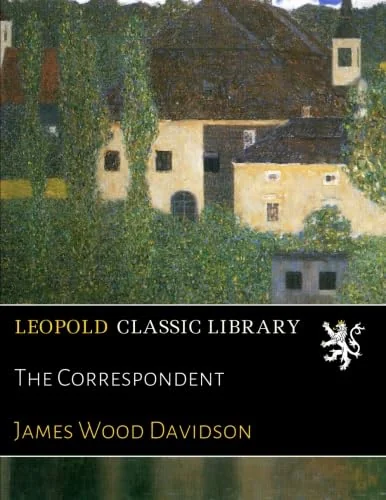
The Correspondent, published by Leopold Classic Library in 2016, is a restored reprint of a historical work by nineteenth-century American author James Wood Davidson — a title that should not be confused with the several contemporary novels sharing its name. The Leopold Classic Library edition makes a long-out-of-print text newly accessible in paperback form, though readers seeking a modern epistolary novel will find themselves in very different literary territory here.
LuvemBooks Verdict
Best for
Researchers, scholars, or collectors with a pre-existing, specific interest in the nineteenth-century American writer James Wood Davidson who need affordable access to an otherwise out-of-print historical text.
Worth it if
You arrive knowing exactly what you're purchasing — a no-frills Leopold Classic Library reprint of a historical nineteenth-century text — and your primary need is basic access rather than scholarly apparatus or editorial guidance.
Skip if
You were drawn in by the name "James Wood" expecting the celebrated New Yorker critic's analytical prose, or by the title "The Correspondent" expecting any of the contemporary novels sharing it — especially Virginia Evans's acclaimed 2025 epistolary debut — because this edition is an entirely different work with no connection to either.
What readers & critics say
No independent critical reception exists for this specific Leopold Classic Library reprint of James Wood Davidson's text. It is worth noting that the retrieved sources — including Kirkus Reviews and Wikipedia — confirm that a highly praised, unrelated 2025 novel titled The Correspondent by Virginia Evans (a New York Times bestseller and PEN/Hemingway Award winner) shares this title, creating a significant confusion risk for prospective buyers.
“An affecting portrait of a prickly woman — a lifetime's worth of letters combine to portray a singular character.”
— Kirkus ReviewsAsk LuvemBooks
Was this helpful?
- Is it worth reading?
- For its intended audience — researchers working in nineteenth-century American literature, historians, and collectors building comprehensive holdings of the period — this edition has genuine utility: it makes a long-out-of-print text accessible in an affordable, portable paperback without requiring rare-book resources. For general readers, however, the absence of any editorial introduction, scholarly notes, or contextual apparatus means there is no guidance on the historical moment that produced the text, its original reception, or its significance within American letters. Anyone drawn in by the name 'James Wood' expecting the New Yorker critic's analytical prose, or by the title expecting a contemporary epistolary novel, is very likely to be disappointed.
- Similar books
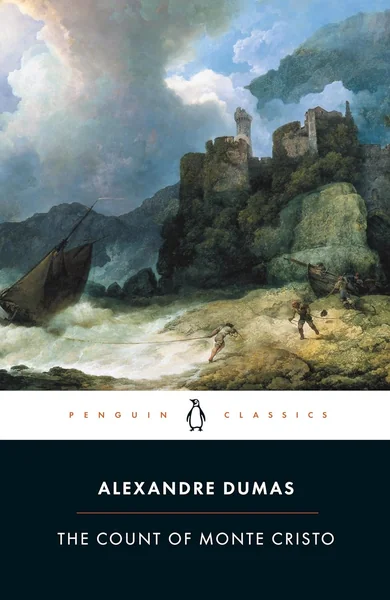
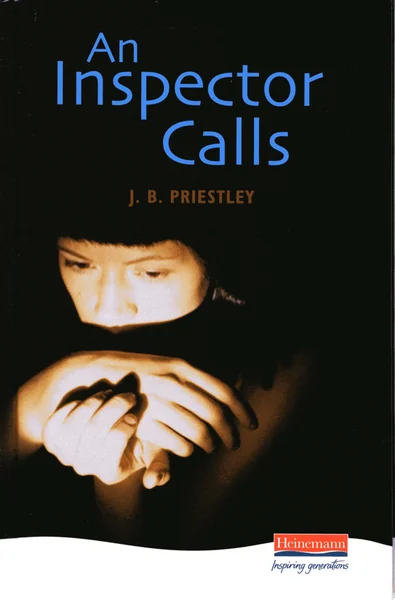
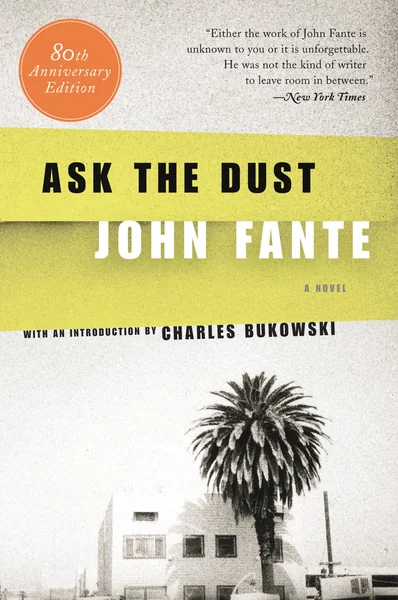
- Readers drawn to this edition for its nineteenth-century literary character or its place in the broader canon of classic fiction may find rewarding companions in other restored or enduring classics. Alexandre Dumas's The Count of Monte Cristo offers sweeping nineteenth-century prose at its most ambitious. J.B. Priestley's An Inspector Calls delivers period-inflected moral drama in a compact, widely studied form. For those interested in the craft of literary voice and character across eras, John Fante's Ask the Dust, J.D. Salinger's Nine Stories, and Jhumpa Lahiri's Interpreter of Maladies each represent distinct but celebrated examples of literary short-form and long-form storytelling that reward careful readers.
- Who should read this?
- This edition is most purposefully aimed at three groups: readers with a specific, pre-existing interest in James Wood Davidson's historical writing; researchers working in nineteenth-century American literature; and collectors building comprehensive holdings of the period's output. It is explicitly not an entry point for readers drawn in by the name 'James Wood' expecting the New Yorker critic's analytical prose, nor a substitute for any of the contemporary novels sharing its title — including the 2025 Virginia Evans epistolary novel published by Crown/Penguin Random House. General readers curious about the period would benefit from a more fully annotated scholarly edition if one becomes available.
- About James Wood Davidson
- James Wood Davidson was a United States author. Readers should be careful not to confuse him with James Wood, the prominent British-American critic and staff writer at The New Yorker — the name overlap is a noted source of buyer confusion flagged directly in the LuvemBooks review.
- Why is this book trending?
- The Correspondent is currently attracting renewed attention amid a broader cultural flash point around journalism ethics, media trust, and editorial independence. With debates about AI, misinformation, and responsible reporting dominating headlines, readers are gravitating toward books that engage with what thoughtful, accountable communication actually looks like — and this title is reaching the right audience at the right moment. The publisher's framing of Davidson's writing as centered on 'the enduring value of thoughtful communication' has given the book fresh relevance in today's media climate.
- What are the main themes?
- Based on the publisher's own promotional framing — which should be weighed as marketing copy rather than independent critical assessment — Davidson's writing is characterized as marked by 'insightful observations and eloquent prose' and as relevant to 'the enduring value of thoughtful communication.' The Leopold Classic Library edition does not provide an independent critical introduction or scholarly analysis of the work's themes, so readers seeking a deeper thematic map of the text will need to bring their own contextual knowledge of nineteenth-century American literature to the reading.
- Could I be buying the wrong book?
- Yes — and LuvemBooks considers this one of the most important things to verify before purchasing. The title The Correspondent is shared by at least one highly praised 2025 contemporary novel: an epistolary work by Virginia Evans, published by Crown/Penguin Random House, featuring protagonist Sybil Van Antwerp. The Davidson reprint and the Evans novel are entirely different works. Additionally, the author name 'James Wood Davidson' is easily conflated with James Wood — the celebrated New Yorker critic and author of How Fiction Works — misleading some buyers about the book's nature and authorship. Confirming the full author name and publisher before completing a purchase is strongly advised.
Summarize this book
Follow up
Synthesized from verified book data & published reviews · How we review
Press Enter to ask. Answers come from our editorial Q&A — start typing to see related questions.
Age & Reading Level
Recommended age
Adult
Reading level
Adult
who it suits
Skip if you are looking for a contemporary epistolary novel or the analytical literary criticism associated with the New Yorker critic James Wood.
Our Review
What This Book Actually Is
Its Place in the Literary Landscape
What the Edition Offers
Genuine Limitations to Consider
Who Will Find Value Here
Sources & Further Reading
The key facts and claims in this review are grounded in the retrieved, verified sources listed below.
- Cited in this review
- 1
newyorker.com
- 2
- 3
- Further reading
- 4
James Wood Davidson, Wikipedia
Books like The Correspondent
Curated picks for readers who enjoyed The Correspondent, with our reasoning for each match.
If you liked The Correspondent
Why It’s Trending
Name Confusion with 2024 Film 'The Correspondent' May Be Driving Attention
A 2024 biographical thriller film called The Correspondent — about jailed journalist Peter Greste — has been generating buzz, and readers searching for related material may be landing on this older, unrelated book by James Wood Davidson by accident.