Our reviews
78 business & economics books we've reviewed, each with who it's for, who should skip it and every source we used.
78 reviews
Josie Grand
Best for: First-time executives, entrepreneurs navigating investor relationships, and managers facing organizational politics who want a systematic, business-specific translation of the 48 Laws framework rather than a reading of Greene's original.
James Sinclair
Best for: Early-stage founders — whether on company one or company five — who are pre-product and pre-revenue, serious about execution, and want a structured, validation-first process rather than startup motivation or inspiration.
Larry Bossidy, Ram Charan, Charles Burck
Best for: Senior leaders, newly appointed managers, and business professionals who want a practitioner-grounded framework for closing the gap between strategy and results in large, hierarchically structured organisations.
Kevin Shawen, Marco Elisei
Best for: Aspiring writers with no prior publishing experience who want a concise, habit-driven entry point into self-publishing and passive income on digital platforms like Amazon.
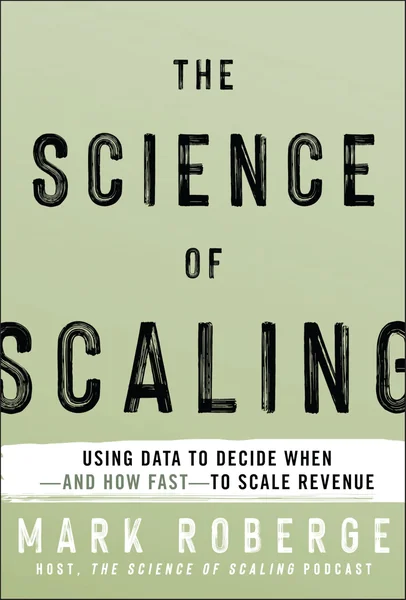
Mark Roberge
Best for: Founders, Chief Revenue Officers, and early-stage investors in venture-backed SaaS companies who need a structured, metrics-based system for determining whether — and how fast — to scale sales, rather than relying on gut feel or investor timing pressure.

Alex Strathdee, Laura Russom, Steve Sarner
Best for: Nonfiction authors — whether debut writers starting from zero or mid-career authors seeking a more deliberate sales strategy — who want a practitioner-led, process-driven framework for building sustained book sales rather than a broad overview of the publishing industry.
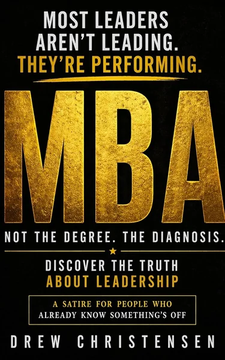
D.M. Christensen
Best for: Capable professionals who have followed every prescribed credential path — degrees, seminars, teamwork rituals — and still feel stuck, and who want clear, sharp language for the workplace dysfunction they've long suspected but struggled to name.
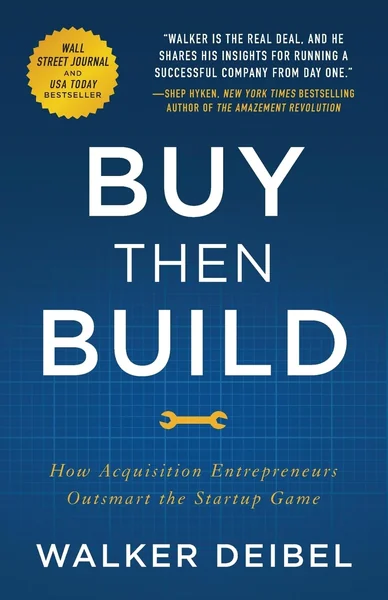
Walker Deibel
Best for: Professionals with some capital access who are seriously considering acquiring and operating a small-to-medium business and want a structured, step-by-step framework to move from initial conviction to closing a deal.
Josh Kaufman
Best for: Aspiring entrepreneurs, career-changers, and curious generalists — including Hindi-language readers — who want a single integrated command of business fundamentals across every major domain without enrolling in a formal MBA programme.
Kevin St.Clergy
Best for: Entrepreneurs and business owners who feel persistently stuck despite genuine effort and sound strategy, and suspect the real issue may be that they're solving the wrong problem rather than the right one badly.
Kevin Cover
Best for: Practicing managers and emerging team leaders who want a concise, structured framework for building a repeatable leadership system rather than a survey of leadership theory.

David Hampson
Best for: Aspiring entrepreneurs and early-stage small business owners who feel alienated by the startup world's obsession with speed and quick exits, and who want a grounded, experience-led perspective from someone who built across radically different industries and geographies.
Patrick M. Lencioni
Best for: Senior leaders, executives, and managers who are responsible for shaping organizational culture and performance at a systemic level and want a single, unified framework that consolidates Lencioni's thinking on team cohesion, clarity, and alignment.

D.S. Marsh
Best for: Readers drawn to literary nonfiction who want to encounter themes of leadership, influence, and character through human narrative rather than business frameworks or self-help rubrics — particularly those interested in overlooked, quietly consequential lives.

Hernan Diaz
Best for: Readers drawn to metafiction and novels that interrogate narrative form itself — particularly those fascinated by how extreme wealth, capital, and power shape (and distort) historical record.
Mike Weinberg
Best for: Sales managers and executives — whether newly promoted or experienced and sensing something is off — who want a blunt, case-study-driven diagnosis of why their sales organisation is underperforming and a concrete framework to fix it.

Heather Choate
Best for: Budget-conscious home cooks who want a structured, follow-this program — not a browsable collection — combining high-protein, low-carb eating with a hard $7/day cost ceiling and quick weeknight-friendly recipes.
Jay Abraham, Villy Abraham
Best for: Entrepreneurs, CEOs, and business leaders who want a substantive, framework-driven guide to scaling results through leverage, trust, and behavioral strategy — without simply working harder or spending more.

Donella H. Meadows
Best for: Curious non-specialists — whether in ecology, management, programming, or policy — who want a rigorous yet mathematically light conceptual framework for understanding why complex systems behave the way they do.
Jim Clifton, Jim Harter
Best for: HR leaders, managers navigating multigenerational teams, and executives driving cultural change who want a data-backed case for shifting from directive management to a strengths-based coaching model.
Shaina Loerzel
Best for: Readers new to Warren Buffett's story who want a concise, values-centred introduction that connects his investment decisions to the personal principles — patience, frugality, and long-term thinking — that shaped them.
Tyler Mitchell
Best for: Sales professionals and leaders operating in complex B2B or enterprise environments — particularly those managing multi-stakeholder deals who want a structured, framework-driven approach to strategic understanding rather than a collection of transactional tactics.
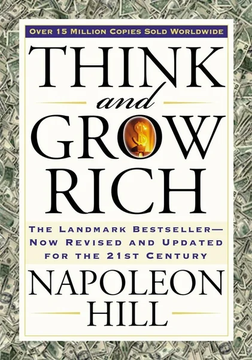
Napoleon Hill
Best for: Readers who want to understand the intellectual roots of the American self-help and motivational tradition — whether as true believers seeking a modernised entry point to Hill's 14 principles or as cultural historians tracing the lineage of a genre that has shaped generations of success coaches and practitioners.
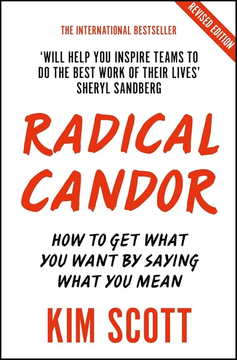
Kim Scott
Best for: Managers and team leads — especially those stepping into leadership roles for the first time — who want a concrete, nameable framework for giving and receiving honest feedback without sacrificing genuine care for the people they lead.
