At a glance
LuvemBooks Verdict
Best for: Early-stage founders — whether on company one or company five — who are pre-product and pre-revenue, serious about execution, and want a structured, validation-first process rather than startup motivation or inspiration.
Worth it? Skip it? Read the full verdict →Ask LuvemBooks
Was this helpful?
- Is it worth reading?
- For the early-stage founder who is pre-product and pre-revenue and needs a methodical process more than a rallying cry, Starting a StartUp is well-suited to fill a real gap — the startup ecosystem is saturated with ideation content but notably thinner on structured, practitioner-built systems for the unglamorous work of figuring out what customers actually want. The frameworks carry genuine credibility, grounded in Sinclair's multi-million dollar exits and a weekly newsletter read by 150,000 founders. The honest caveat is that readers who want conceptual depth, historical context, or strategic frameworks that flex across radically different market types may find the tactical orientation constraining — and experienced serial founders who have already navigated multiple validation cycles may move through it quickly.
- Similar books
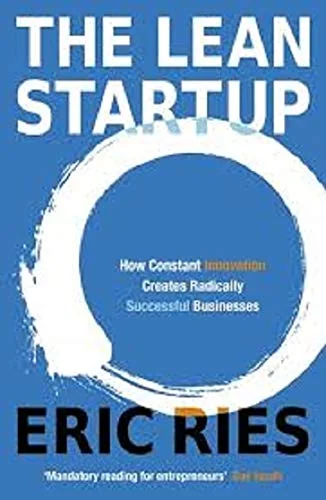
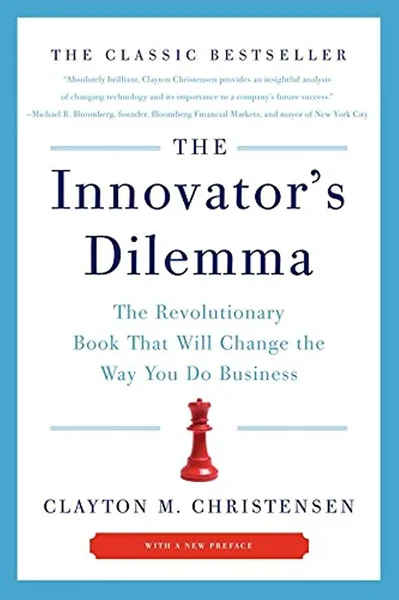
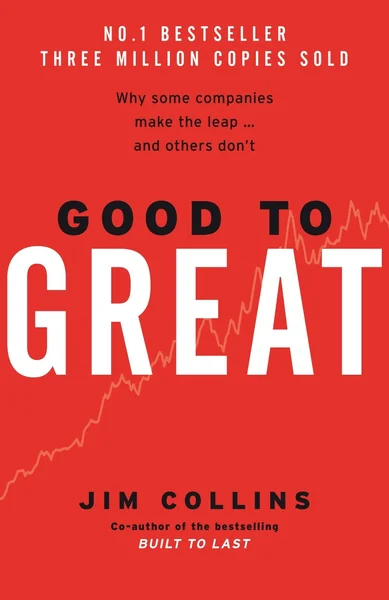
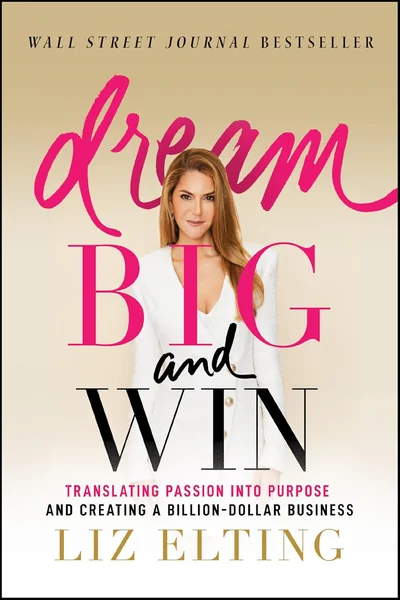
- Readers drawn to Starting a StartUp will find meaningful overlap with several practitioner and strategy classics. Eric Ries's The Lean Startup shares the validation-first philosophy and emphasis on learning velocity over brute-force execution. For a deeper structural view of why incumbents and new entrants fail, Clayton Christensen's The Innovator's Dilemma provides the theoretical bedrock that Sinclair deliberately leaves out. Jim Collins's Good to Great offers a data-driven lens on what separates enduring companies from the rest — useful for founders thinking beyond the launch phase. For an alternative path entirely, Walker Deibel's Buy Then Build makes the case for acquisition entrepreneurship as a way to sidestep early-stage validation risk altogether. Liz Elting's Dream Big and Win brings a founder's personal narrative to complement Sinclair's tactical, non-memoir approach.
- Who should read this?
- The book's ideal reader is the early-stage founder — whether on company one or company five — who is pre-product and pre-revenue, serious about execution, and wary of the startup myths that dominate most ideation content. Sinclair speaks directly to founders who 'know this one has to work,' who are stuck between idea and execution, and who do not want to waste their shot. It is explicitly not aimed at readers seeking motivation or inspiration, nor at those wanting a broader theory of entrepreneurship. Founders further along in their journey or those who have already run multiple validation cycles will likely find the structured approach more introductory than their stage demands.
- What frameworks does the book teach?
- While the book does not name its frameworks in the public-facing review, it is organized around a validation-first architecture: the core systems direct founders to validate their idea and deeply understand their market before any technical or financial commitment is made. The central thesis — that the fastest team to learn wins — gives every framework a coherent rationale: they are not checklists for their own sake but instruments for accelerating validated learning before resources run out. The step-by-step systems are designed to compress what might otherwise take a first-time founder 18 months of costly trial and error into a structured, learnable process.
- What qualifies Sinclair to write this?
- James Sinclair brings two decades of serial entrepreneurship to the guide, including founding companies that achieved multi-million dollar exits and mentoring hundreds of entrepreneurs. He has also led rapid innovation initiatives at SAP for major corporate clients including LinkedIn, Google, and Citi — spanning both private and public sector contexts. His weekly newsletter reaches 150,000 founders who follow his candid, actionable takes on early-stage company building. The review notes that this practitioner profile is structural to the book's credibility, anchoring the frameworks in demonstrated outcomes rather than consultant theory.
- What are the book's limitations?
- The book's self-declared 'no theory, no fluff, no excuses' posture is simultaneously its sharpest selling point and its clearest limitation. Founders who want conceptual depth, historical context, or strategic frameworks that can flex across radically different market types may find the tactical orientation constraining. The step-by-step structure is deliberately introductory in its scaffolding, which means experienced serial founders who have already built and validated multiple products are less likely to find it pushes their thinking. Readers outside the core early-stage-founder profile may absorb the frameworks quickly and want more than the book sets out to provide.
Summarize this book
Follow up
Synthesized from verified book data & published reviews · How we review
Press Enter to ask. Answers come from our editorial Q&A — start typing to see related questions.
Age & Reading Level
Recommended age
Adult
Reading level
Adult
who it suits
Skip if you want conceptual depth, historical context, or strategic frameworks that flex across radically different market types rather than a step-by-step tactical playbook.
Editorial Review
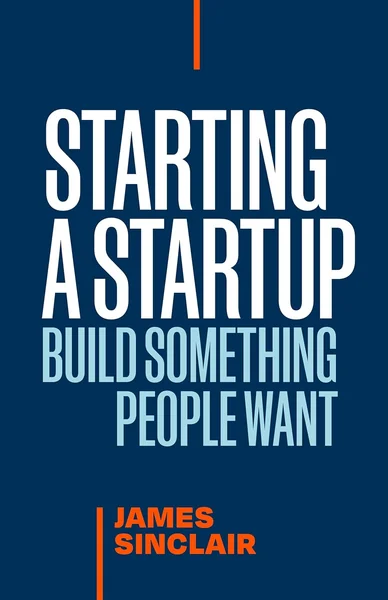
James Sinclair's Starting a StartUp: Build Something People Want is a step-by-step entrepreneurial guide built around a single, unsparing premise: 90% of startups fail not because founders lack effort, but because they build products nobody wants. Designed to prevent that outcome, the book delivers practical frameworks and real-world systems aimed squarely at early-stage founders who cannot afford to waste time on theory.…
Read the Full ReviewBooks like Starting a StartUp
Curated picks for readers who enjoyed Starting a StartUp, with our reasoning for each match.
If you liked Starting a StartUp