Our reviews
1,017 books, each with who it's for, who should skip it, reading level and content notes, and every source we used.
409 reviews match
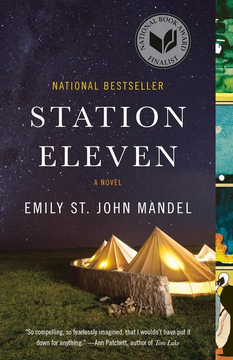
Emily St. John Mandel
Best for: Readers who want a single novel to satisfy both their literary and speculative fiction appetites — particularly those drawn to questions of art, memory, and what civilisation is actually for, rendered through interwoven human lives rather than genre mechanics.
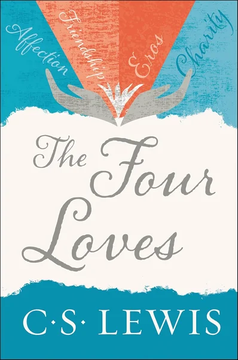
C. S. Lewis
Best for: Readers drawn to Christian philosophy and the ethics of relationship who want a structured, accessible framework for examining the full range of human loves — from everyday affection to the theological ideal of charity.
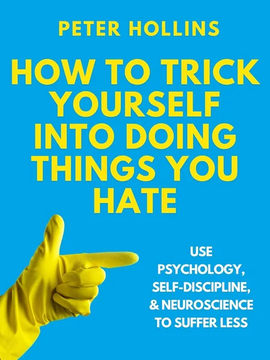
Peter Hollins
Best for: Readers already engaged with productivity self-help who want a compact, psychology-backed playbook for tackling tasks they persistently avoid — particularly those drawn to structured frameworks over generic motivational encouragement.
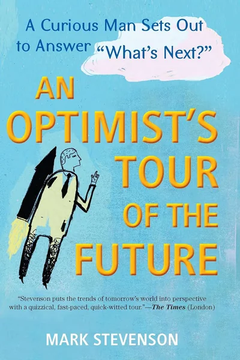
Mark Stevenson
Best for: Curious generalists who want a broad, personality-driven tour of emerging science — synthetic biology, robotics, nanotechnology, alternative energy — without needing a technical background, written in the accessible, narrative-led tradition of Bill Bryson.
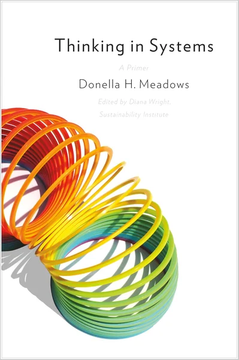
Donella H. Meadows
Best for: Curious non-specialists — whether in ecology, management, programming, or policy — who want a rigorous yet mathematically light conceptual framework for understanding why complex systems behave the way they do.
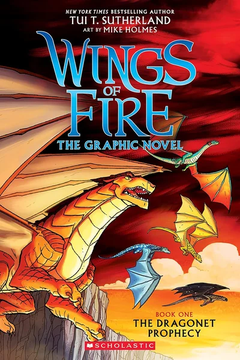
Tui T. Sutherland
Best for: Young readers aged 7–12, especially emerging or reluctant readers who want an accessible visual gateway into one of middle-grade fantasy's biggest worlds before tackling the full prose series.
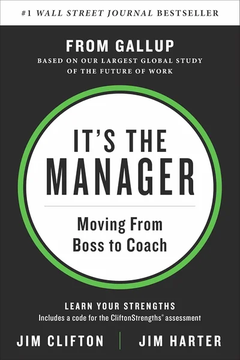
Jim Clifton, Jim Harter
Best for: HR leaders, managers navigating multigenerational teams, and executives driving cultural change who want a data-backed case for shifting from directive management to a strengths-based coaching model.
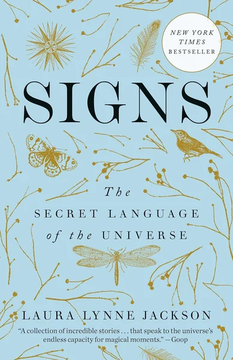
Laura Lynne Jackson
Best for: Readers who are grieving the loss of a loved one and are open to the idea that meaningful connection continues beyond death — particularly those who already engage with spiritual or metaphysical frameworks and want both emotional comfort and practical guidance on recognising signs in everyday life.
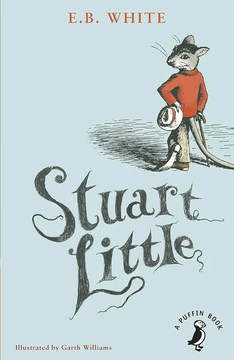
E. B. White
Best for: Parents, teachers, and early chapter-book readers who love the gentle anthropomorphic tradition of The Wind in the Willows or Charlotte's Web and want a witty, episodic classic well-suited to reading aloud in installments.
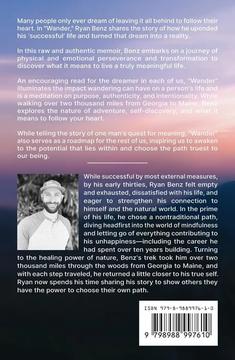
Ryan Benz
Best for: Readers in their thirties or forties who feel the gap between outward achievement and inner fulfillment, are drawn to the Appalachian Trail as a setting, and came to the memoir genre through books like Wild or Eat, Pray, Love.
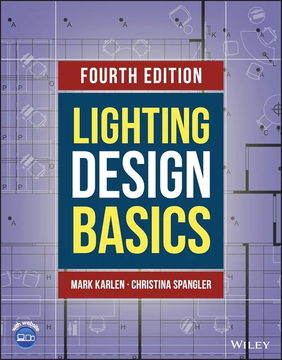
Mark Karlen, Christina Spangler
Best for: Architecture and interior design students — and early-career practitioners — who need a visually rich, scenario-based introduction to professional lighting design aligned with NCIDQ and NCARB credentialing pathways.
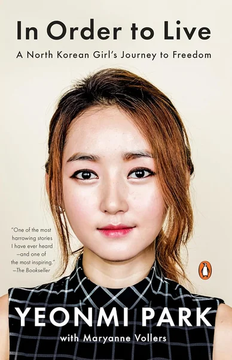
Yeonmi Park, Maryanne Vollers
Best for: Readers drawn to narrative nonfiction and survivor memoir who want a complete, structurally clear account of life inside North Korea — from childhood deprivation through escape and resettlement — particularly those with an interest in human rights or authoritarian regimes.
Robert Pantano
Best for: Readers curious about existential philosophy — particularly Stoicism, Absurdism, Nihilism, and Buddhism — who want an accessible, honest entry point without the relentless positivity of mainstream self-help, and fans of Pantano's Pursuit of Wonder YouTube channel seeking a revised, expanded print edition of his essays.
Katariina Rosenblatt, Cecil Murphey
Best for: Survivors, parents, educators, and advocates who want the domestic sex trafficking crisis made viscerally concrete through a single, documented personal story rather than policy abstraction — especially readers for whom a faith-rooted survival narrative will resonate.
Mel Robbins
Best for: Readers new to self-help or to Robbins's work who want a memorable, immediately applicable framework for releasing anxiety about other people's choices and reclaiming focus on their own next move.
Jennie Allen
Best for: Christian readers — particularly those inside a faith community — who recognise specific thought traps like unworthiness, comparison, or anxious rumination in themselves and want a structured, biblically grounded framework for breaking those patterns in everyday life.
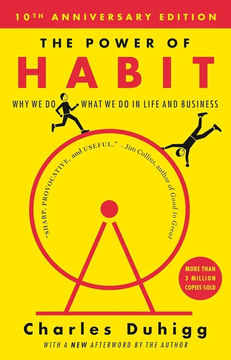
Charles Duhigg
Best for: Curious, analytically minded readers—whether individuals seeking to understand their own behaviour, managers looking to reshape team culture, or business students—who want a research-grounded, narrative-driven framework for understanding how habits operate at every level of human life.
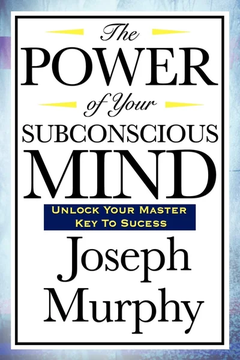
Joseph Murphy
Best for: Readers already drawn to the New Thought tradition — or to classics like Think and Grow Rich — who want a structured, technique-oriented guide to harnessing the subconscious mind across health, finances, relationships, and fear.
Tyler Mitchell
Best for: Sales professionals and leaders operating in complex B2B or enterprise environments — particularly those managing multi-stakeholder deals who want a structured, framework-driven approach to strategic understanding rather than a collection of transactional tactics.
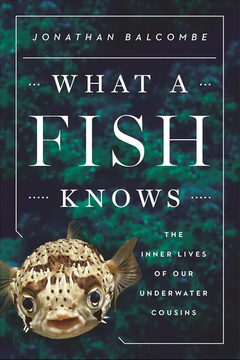
Jonathan Balcombe
Best for: General readers — aquarists, anglers, marine conservationists, or anyone curious about animal cognition — who want an accessible but rigorously sourced introduction to the science of fish sentience and behavior.
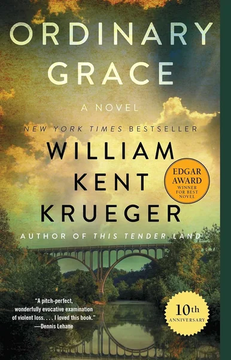
William Kent Krueger
Best for: Readers who love literary mysteries where atmosphere, moral inquiry, and retrospective narration take precedence over genre mechanics — particularly those drawn to coming-of-age stories set against grief, faith, and small-town American life.
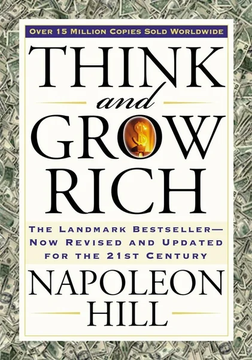
Napoleon Hill
Best for: Readers who want to understand the intellectual roots of the American self-help and motivational tradition — whether as true believers seeking a modernised entry point to Hill's 14 principles or as cultural historians tracing the lineage of a genre that has shaped generations of success coaches and practitioners.
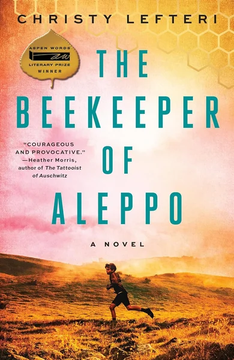
Christy Lefteri
Best for: Readers of character-driven literary fiction who want the Syrian refugee crisis rendered through intimate human experience — grief, survival, and quiet tenderness — rather than political analysis.
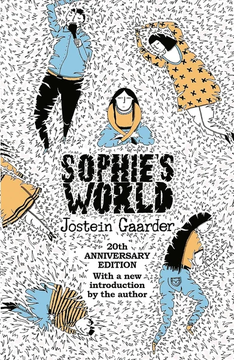
J. Gaarder
Best for: Curious readers — from engaged teenagers to adults — who want a genuine, substantive introduction to the history of Western philosophy and are willing to receive it through the vehicle of a mystery novel with a mind-bending metafictional twist.
