

9 min read
4.6
· 4,295 Amazon ratingsShare This Review
Stuart Little by E. B. White Review: A Timeless Classic of Picaresque Whimsy
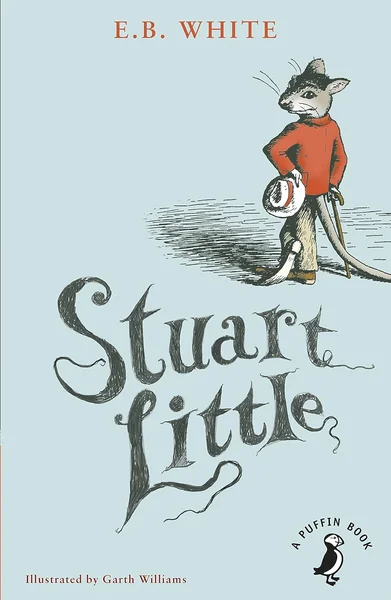
First published in 1945, Stuart Little is E. B. White's debut children's novel — a picaresque, episodic tale of a two-inch-tall boy born into a normal New York City family who resembles a mouse in every outward respect yet possesses the confidence and courage of a dashing hero. Illustrated by Garth Williams, the book has endured for decades as a recognized classic in children's literature, admired for its understated humour, graceful wit, and ironic interplay of fantasy and everyday possibility, even as it has attracted genuinely divided critical opinion since its original publication.
LuvemBooks Verdict
Best for
Parents, teachers, and early chapter-book readers who love the gentle anthropomorphic tradition of The Wind in the Willows or Charlotte's Web and want a witty, episodic classic well-suited to reading aloud in installments.
Worth it if
You value understated humour, graceful prose, and self-contained adventure chapters over a tightly plotted narrative arc — or you're looking for a flexible, brief teaching text that rewards both children and the adults reading alongside them.
Skip if
You need a story with a firmly resolved ending — Stuart's conclusion is deliberately open and questing, and those who find unresolved narratives unsatisfying have been divided on this structural choice since the book first appeared in 1945.
What readers & critics say
Encyclopaedia Britannica credits the novel's "understated humour, graceful wit, and ironic juxtaposition of fantasy and possibility," while Kirkus Reviews' original 1945 notice was pointed in its reservations, calling the book "pseudo-fantasy, synthetic, and lacking the tenderness that makes a story such as Wind in the Willows wholly the children's own" and singling out the schoolroom and romance episodes as "really appallingly bad." Common Sense Media, by contrast, considers it an "excellent bridge from chapter books to novels," noting that White's "clever wording and quick descriptions make Stuart irresistible."
“This seems to me pseudo-fantasy, synthetic, and lacking the tenderness that makes a story such as Wind In The Willows wholly the children's own.”
— Kirkus Reviews“E.B. White's clever wording and quick descriptions make Stuart irresistible. The book shows that determination and courage, not size, are what make a true hero.”
— Common Sense MediaAge & Reading Level
Recommended age
Ages 8–12
Reading level
Middle grade
who it suits
Best for: Ages 6+ — short chapters and episodic structure suit early chapter-book readers and read-aloud sessions; confident independent readers from around age 7–8 upward.
Skip if you need a tidy narrative arc and a firmly resolved ending.
Stuart Little by E. B. White is Trending
Stuart Little Is Having a Moment as Classic Book-to-Screen Adaptations Dominate 2026
With book-to-screen adaptations flooding streaming platforms throughout 2026, readers are revisiting the source material behind beloved classics — and Stuart Little, one of children's literature's most enduring originals, is getting a fresh look.
2026 has been a genuinely big year for TV adaptations of classic books. Deadline has been tracking a wave of them landing on major streamers — Netflix, Peacock, Apple TV — which has put a spotlight on the original novels behind some of pop culture's most familiar stories. That renewed interest in where these stories came from has nudged readers back toward titles like Stuart Little, a book that's been in print since 1945 and has already inspired both a film franchise and an animated TV series.
For a lot of people, Stuart Little means the late-90s movie, but E. B. White's original novel is actually a quieter, stranger, more open-ended story than either the film or the animated series. It doesn't wrap up neatly, and that's kind of the point — White was more interested in spirit and curiosity than tidy conclusions. When adaptations are everywhere, it's a natural moment to ask what the source material actually does differently.
If you've only ever seen the movie, the book is worth picking up just to experience White's dry, elegant prose firsthand. It's short, it reads fast, and it holds up in a way that genuinely surprises people. A good entry point for adults revisiting childhood favorites, or for reading aloud with kids.
In This Review
- What Works & What Doesn't
- What the Book Is and What It Contains
- The Book's Origins and Its Place in the Genre
- Genuine Strengths: Wit, Scale, and the Picaresque Structure
- A Divided Critical Record: Real and Long-Standing Objections
- Who This Book Is For Today
What Works & What Doesn't
What Works
- A recognized classic of American children's literature, cementing E. B. White's place as a foundational voice in the genre
- Episodic, picaresque structure delivers self-contained adventures well suited to reading aloud in installments
- Encyclopaedia Britannica credits the novel with understated humour, graceful wit, and an ironic interplay of fantasy and everyday possibility
- Illustrations throughout by Garth Williams, making his own debut in children's book art
- Broad audience appeal: accessible to early chapter-book readers while carrying enough wit and literary texture to engage adults
What Doesn't
- Kirkus Reviews' original 1945 notice called the book 'pseudo-fantasy, synthetic,' singling out the schoolroom and romance episodes as serious weaknesses
- The novel's open, unresolved ending — Stuart still searching, no homecoming — has divided readers since publication and may frustrate those expecting narrative closure
What the Book Is and What It Contains
The Book's Origins and Its Place in the Genre
Genuine Strengths: Wit, Scale, and the Picaresque Structure
A Divided Critical Record: Real and Long-Standing Objections
Who This Book Is For Today
Frequently Asked Questions
Sources & Further Reading
The key facts and claims in this review are grounded in the retrieved, verified sources listed below.
- Cited in this review
- 1
- 2
whitmorerarebooks.com
- 3
- 4
en.wikipedia.org
- Further reading
- 5
E. B. White, Wikipedia
- 6
- 7
kirkusreviews.com
- 8
theinvisiblementor.com
- 9
storyboardthat.com
- 10
foxedquarterly.com
- 11
sherewin.com
- 12
rainbowresource.com
- 13
shop.scholastic.com
- 14
- 15
- 16
- 17
Related Reviews
Reviews of books we picked for readers who enjoyed Stuart Little.
Reader Comments
No comments yet
Be the first to share your thoughts!