8 min read
4.6
· 40,187 Amazon ratingsShare This Review
The Power of Habit by Charles Duhigg Review: A Rigorous, Widely Celebrated Science of Behavior
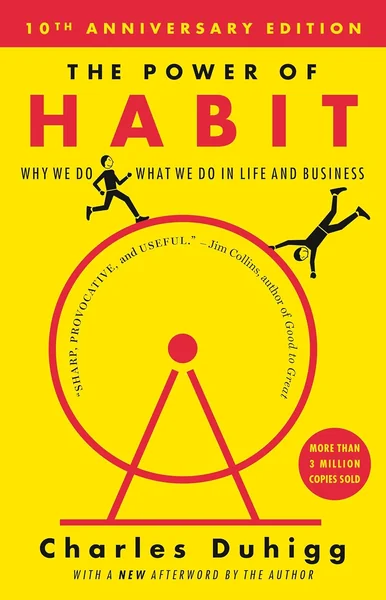
Charles Duhigg's The Power of Habit, originally published in February 2012 by Random House, is a work of narrative nonfiction that draws on scientific research and real-world case studies to argue that understanding the habit loop—cue, routine, reward—is the foundation of personal and organizational change. It reached bestseller lists at the New York Times, Amazon, and USA Today, and was longlisted for the Financial Times and McKinsey Business Book of the Year Award in 2012. The book is structured to move from individual habits to organizational ones to societal ones, making it relevant to readers ranging from those seeking personal development to business leaders and policymakers. Some readers find the case studies so extensive that the prescriptive guidance can feel secondary, but the book's core framework remains one of the most discussed in the behavioral science genre.
LuvemBooks Verdict
Best for
Curious, analytically minded readers—whether individuals seeking to understand their own behaviour, managers looking to reshape team culture, or business students—who want a research-grounded, narrative-driven framework for understanding how habits operate at every level of human life.
Worth it if
Worth reading if you want a single, coherent intellectual framework—the cue-routine-reward loop—applied rigorously across personal psychology, corporate strategy, and social movements, and are happy to extract your own action plan from richly reported case studies rather than a tidy step-by-step guide.
Skip if
Skip it if you're looking for a concise, prescriptive self-improvement manual and have little patience for extended narrative detours into NFL franchises, consumer packaged goods, or megachurches that only indirectly connect to your personal goals.
What readers & critics say
Kirkus Reviews called it "a more convincing book than most" in the self-help-adjacent space, noting Duhigg's effective use of cautionary case studies to illustrate the cue-routine-reward loop. Wikipedia records that the book reached the bestseller lists of the New York Times, Amazon, and USA Today simultaneously, and received a longlisting for the Financial Times and McKinsey Business Book of the Year Award in 2012.
“For self-help seekers, a more convincing book than most — changing bad habits isn't rocket science, it's brain science.”
— Kirkus ReviewsAsk LuvemBooks
Was this helpful?
- Is it worth reading?
- For readers interested in behavioral science, personal development, or organizational change, The Power of Habit remains a strong and well-sourced entry point. Its central framework — the cue-routine-reward loop — is consistently applied across all three sections of the book, giving it unusual coherence for a work with such broad scope. The main caveat is that the book's extensive narrative case studies (covering corporations like Procter & Gamble and Target, social movements like Alcoholics Anonymous, and sports organizations) can overshadow its prescriptive guidance, which some readers find insufficiently consolidated into actionable steps. Its continued presence in business school curricula and the 2020 release of a companion corporate training course are indicators of its lasting practical relevance.
- Who should read this?
- The Power of Habit is designed for a broad adult readership: individuals seeking personal transformation, managers and business leaders looking to reshape organizational culture, and anyone curious about the neuroscience underlying everyday behavior. Because the book covers individual, organizational, and societal habits, it is particularly well-suited to readers who want a single framework that applies across multiple areas of life. Readers who come to it purely for a step-by-step self-improvement program may find the corporate case studies (Target, Procter & Gamble) and societal chapters less directly useful, and might find a more prescriptive companion like Atomic Habits a better fit for that goal.
- Similar books
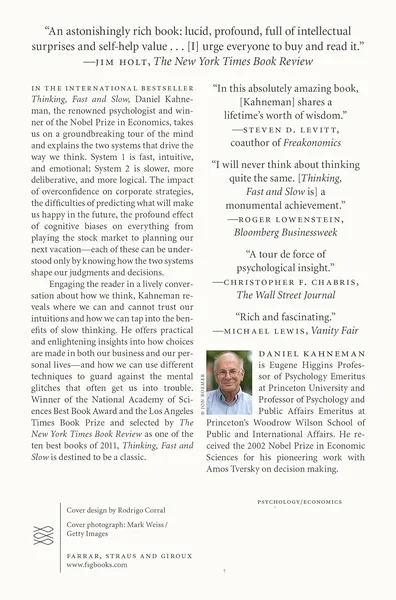
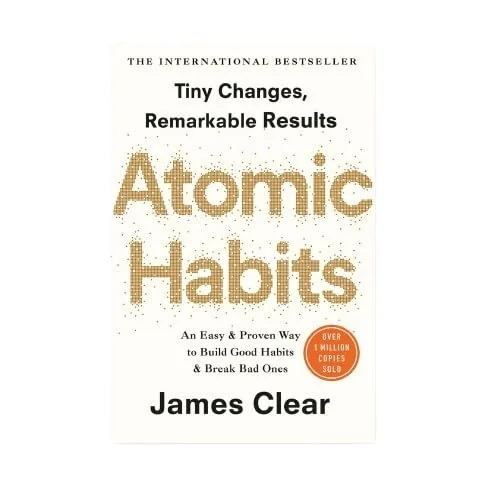
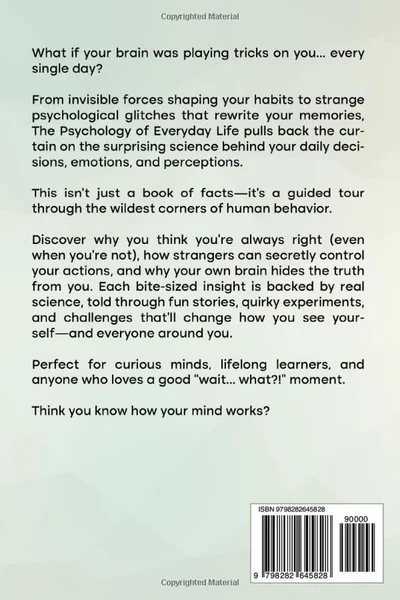
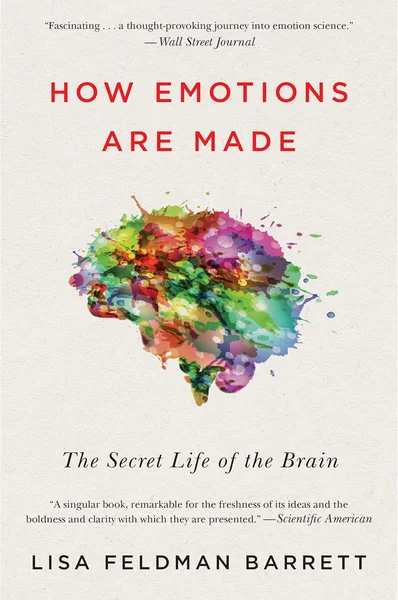
- Readers who connect with The Power of Habit's behavioral science framework will find strong companions in several of the curated titles below. Atomic Habits by James Clear covers adjacent territory with a more prescriptive, individual-focused approach — a natural next read for those who want more consolidated action steps. Thinking, Fast and Slow by Daniel Kahneman offers a deeper dive into the psychology of automatic versus deliberate thought, providing useful scientific context for Duhigg's habit-loop argument. The Laws of Human Nature by Robert Greene similarly explores the hidden forces shaping human behavior, though with a broader psychological and historical lens. The Psychology of Everyday Life by Adrian Holt and How Emotions Are Made by Lisa Barrett round out the selection for readers who want to explore the cognitive and emotional underpinnings of behavior from different disciplinary angles.
- About Charles Duhigg
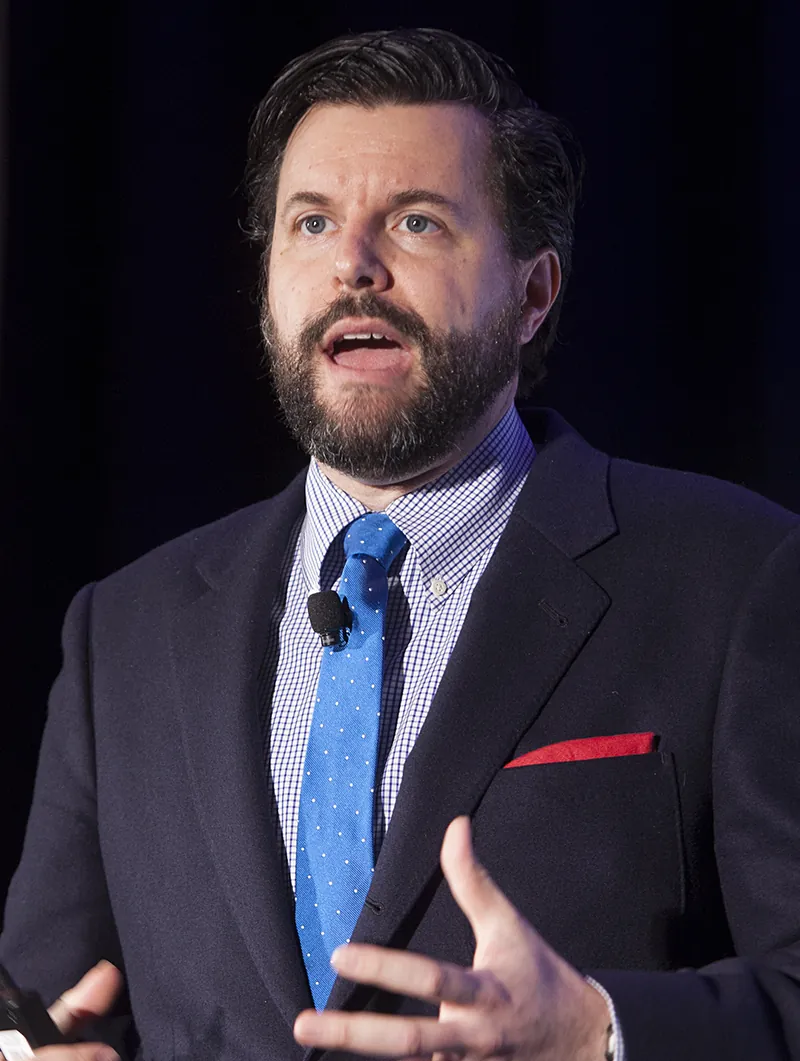
- Charles Duhigg is an American journalist and non-fiction author.
- What are the main themes?
- The central theme is the mechanics and malleability of habit: Duhigg argues that the cue-routine-reward loop governs behavior at every scale, from personal morning routines to corporate strategy. A closely related theme is the role of belief and community in sustaining change — the book explicitly argues that mechanical substitution of a new routine is insufficient without social or psychological context, a point illustrated through the founding of Alcoholics Anonymous. Keystone habits — behaviors whose change cascades into other areas of life — form a third major theme, connecting individual psychology to organizational transformation. Underlying all three sections is a broader argument about agency: as Duhigg frames it, 'Habits aren't destiny,' and understanding the loop is the prerequisite for genuine change.
- What real-world examples does it use?
- The Power of Habit draws on an unusually wide range of real-world case studies to illustrate the habit loop at every level of scale. At the individual level, Duhigg examines figures including Bill Wilson, the recovering alcoholic whose transformation led to the founding of Alcoholics Anonymous. At the organizational level, case studies include Procter & Gamble's deliberate engineering of consumer cravings through the launch of Febreze, Target's data analytics division, and the turnaround of NFL franchises. At the societal level, the book examines movements including the growth of Rick Warren's Saddleback Church. This breadth is both the book's greatest strength — demonstrating the framework's wide applicability — and a source of the common critique that the prescriptive guidance can feel secondary to the storytelling.
Summarize this book
Follow up
Synthesized from verified book data & published reviews · How we review
Press Enter to ask. Answers come from our editorial Q&A — start typing to see related questions.
Age & Reading Level
Recommended age
Adult
Reading level
Adult
who it suits
Skip if you want a tightly focused, step-by-step personal habit-change manual with minimal corporate or societal case studies.
Our Review
What the Book Actually Argues
Scope and Structure: From Individuals to Institutions
The "Golden Rule" and the Role of Belief
Reception and Cultural Reach
Who It's For and Where It Tests Patience
Sources & Further Reading
The key facts and claims in this review are grounded in the retrieved, verified sources listed below.
- Cited in this review
- 1
- Further reading
- 2
Charles Duhigg, Wikipedia
- 3
en.wikipedia.org
- 4
charlesduhigg.com
- 5
- 6
- 7
psycnet.apa.org
- 8
nateshivar.com
- 9
Books like The Power of Habit
Curated picks for readers who enjoyed The Power of Habit, with our reasoning for each match.
If you liked The Power of Habit