

8 min read
4.8
· 9,111 Amazon ratingsShare This Review
Wings of Fire (Graphic Novel) by Tui T. Sutherland Review: A Beloved Fantasy Epic Adapted for Young Readers
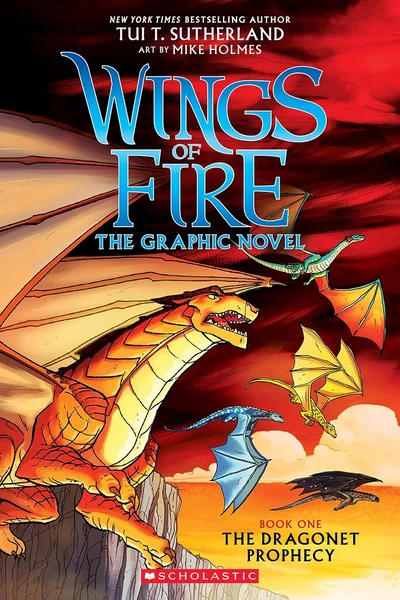
The graphic novel adaptation of Tui T. Sutherland's Wings of Fire — illustrated by Mike Holmes and published by Graphix in 2018 — brings the opening chapter of one of middle-grade fantasy's most successful series to the visual page, putting five dragonets at the center of a war-torn world and a destiny they never asked for. With the broader series having sold over 27 million copies worldwide and spent more than 200 weeks on the New York Times bestseller list, this adaptation arrives with the full weight of an established phenomenon behind it.
LuvemBooks Verdict
Best for
Young readers aged 7–12, especially emerging or reluctant readers who want an accessible visual gateway into one of middle-grade fantasy's biggest worlds before tackling the full prose series.
Worth it if
You're looking for a well-produced, franchise-backed introduction to Pyrrhia and its dragonets — one that delivers the core story and anti-war themes of the original first novel in a format naturally suited to the series' visually rich dragon-tribe world-building.
Skip if
Dedicated fans of the prose series hoping for the full depth of Sutherland's world-building and character interiority should note the graphic novel necessarily compresses the source material, and those who prefer to read originals before adaptations may want to approach the formats in deliberate order.
What readers & critics say
Kirkus Reviews, assessing the original prose novel, found the series "exciting, but not outstanding," noting the dragonets' underground upbringing and escape as compelling but stopping short of effusive praise. Wikipedia documents the series' remarkable commercial standing — over 27 million copies sold worldwide and more than 200 weeks on the New York Times bestseller list — confirming the franchise's proven and sustained hold on young readers.
“Exciting, but not outstanding — five young dragonets find themselves destined to fulfill a prophecy that will end the war between the dragons.”
— Kirkus ReviewsAge & Reading Level
Recommended age
Ages 8–12
Reading level
Middle grade
2 content notes · who it suits
Content to know about
Best for: Ages 7+ — graphic novel format and middle-grade reading level suit confident early readers; abstract themes of prophecy, fate, and war suit ages 8 and up most comfortably
Skip if you want the full immersive depth of the prose original rather than a visual adaptation
Wings of Fire by Tui T. Sutherland is Trending
Wings of Fire Graphic Novel Series Has Been Introducing Dragon Fans Since 2018
The graphic novel adaptation of Wings of Fire has been pulling new readers into the series for years, and with 16 books in the main series and counting, there's never been a better entry point. If your kid (or you) wants dragons but isn't ready for a full novel, this is the place to start.
Wings of Fire has quietly become one of the biggest names in middle-grade fantasy, with over 27 million copies sold across the series and more than 200 weeks on the New York Times bestseller list. The graphic novel adaptation — illustrated by Mike Holmes and published by Graphix — has been running since 2018, bringing the story of five young dragonets caught up in an epic war to readers who prefer panels and pictures over prose. With 16 books now in the main series (and graphic novel adaptations working their way through the lineup), the franchise keeps giving fans new reasons to stay engaged.
For families and readers just discovering the series, the graphic novel is consistently recommended as the ideal on-ramp. It covers the same story as the first novel but makes it more accessible for reluctant readers or younger kids who aren't quite ready to tackle a full chapter book. That combination — beloved source material plus a visually friendly format — is exactly why this one keeps circulating among elementary and middle school readers year after year.
If someone in your life is dragon-obsessed or you're looking for a fantasy series with real staying power, Wings of Fire is worth knowing about. The graphic novel is the easiest place to start, and with so many books already out, there's plenty to keep a reader busy once they're hooked.
In This Review
- What Works & What Doesn't
- What the Book Is and What It Contains
- The Series Behind the Adaptation
- Themes and World-Building Ambition
- Strengths of the Format
- Who It's For and Where It Has Limits
What Works & What Doesn't
What Works
- Part of a series with over 27 million copies sold worldwide and more than 200 weeks on the New York Times bestseller list — a proven world with demonstrated staying power for young readers
- The graphic novel format makes the story accessible to readers aged 7–12, including those who are emerging or reluctant readers not yet ready for the full prose novels
- Sutherland's deliberate anti-war themes and philosophical questions around prophecy and destiny give the adventure meaningful depth for its age range
- Mike Holmes's illustrations bring the visually distinctive dragon tribes of Pyrrhia to life in a medium naturally suited to the series' richly varied creature design
- First book in a ten-volume graphic novel series, giving engaged readers an extended world to explore
What Doesn't
- The graphic novel format necessarily compresses the first prose novel's world-building and character interiority, which may leave detail-oriented fans of the original feeling the adaptation is abridged
- Readers who prefer prose fantasy may find this format an introduction to the story rather than a full substitute for the source material's depth
What the Book Is and What It Contains
The Series Behind the Adaptation
Themes and World-Building Ambition
Strengths of the Format
Who It's For and Where It Has Limits
Frequently Asked Questions
Sources & Further Reading
The key facts and claims in this review are grounded in the retrieved, verified sources listed below.
- Cited in this review
- 1
en.wikipedia.org
- Further reading
- 2
Tui T. Sutherland, Wikipedia
- 3
tuibooks.com
- 4
thirdplacebooks.com
- 5
- 6
whitefishlibrary.org
- 7
- 8
pangobooks.com
- 9
newbookrecommendation.com
Related Reviews
Reviews of books we picked for readers who enjoyed Wings of Fire.
Reader Comments
No comments yet
Be the first to share your thoughts!