BOOKS
Published

Read Time

8 min read

Reader rating

4.7

· 28,381 Amazon ratings
reader ratings, not a LuvemBooks score
Curated & edited by

LuvemBooks Editorial

How we create our reviews →
Share This Review

The Mountain Is You by Brianna Wiest Review: A Practical Guide to Conquering Self-Sabotage

Brianna Wiest's The Mountain Is You: Transforming Self-Sabotage into Self-Mastery is a self-help title that reframes self-sabotage not as a deliberate act of self-destruction, but as the product of coexisting, conflicting inner needs — and then maps a path from those patterns toward genuine self-mastery. Available as an unabridged audiobook narrated by Stacey Glemboski (Audible release date: April 1, 2022, via Thought Catalog Books) with a listening length of 5 hours and 44 minutes, it currently ranks #1 in Business Motivation & Self-Improvement among Audible Books & Originals. This review covers the book's content, structure, and published reception — not hands-on application.

LuvemBooks Verdict

Best for

Readers who suspect they are their own greatest obstacle — especially those who have tried to change repeatedly only to stall — and who want a psychologically grounded, compassionately framed explanation of why self-sabotage happens and how to begin dismantling it.

Worth it if

You're ready to do honest self-examination and want a framework — rooted in Jungian psychology and Buddhist thinking, but written in plain language — that connects recognisable behaviours like procrastination and avoidance to their underlying fears, with an optional companion workbook for structured follow-through.

Skip if

If you're looking for light, reassuring affirmation rather than substantive self-examination, or if you prefer deep academic rigour and extensive clinical citation over an integrated, accessible synthesis, the book's brisk pace and candidly heavy content may leave you wanting more.

Notesbythalia.com praises Wiest's supportive and friendly tone throughout while noting the content can be heavy and hard-hitting at times — an expected consequence of a book that asks readers to examine the ways they undermine themselves. Ilovehaven.com highlights that the book clarifies the deeper understanding of negative habits with easy language and helpful examples, so readers can quickly recognise how they are standing between where they are and where they want to be.

Sources: notesbythalia.com, ilovehaven.com
4.7from 28,381 Amazon ratings— reader ratings, not a LuvemBooks score

Ask LuvemBooks

Was this helpful?

The Mountain Is You: Transforming Self-Sabotage into Self-Mastery by Brianna Wiest reframes self-sabotage not as a personal failing but as the product of coexisting, conflicting inner needs — drawing on Jungian psychology and Buddhist concepts of non-attachment to map a path toward genuine self-mastery. It is best suited to readers who sense they are their own greatest obstacle and are ready to examine why, rather than those seeking light, reassuring affirmation. The one caveat to keep in mind: the book covers considerable conceptual ground at a brisk pace, so readers who prize deep academic rigor may want more methodological depth than the format provides.
Is it worth reading?
For readers who sense they are their own greatest obstacle — especially those who have attempted change repeatedly only to stall — The Mountain Is You offers a compassionate and intellectually grounded framework that goes well beyond generic self-help encouragement. Its translation of Jungian psychology and Buddhist philosophy into accessible, jargon-free language is one of its most consistently praised qualities, and the link between specific behaviors like procrastination and avoidance and their underlying fears makes the material immediately recognizable. The main caveat is that the content can be heavy and hard-hitting; readers seeking light affirmation rather than substantive self-examination may find it more demanding than the self-help label implies.
Similar books
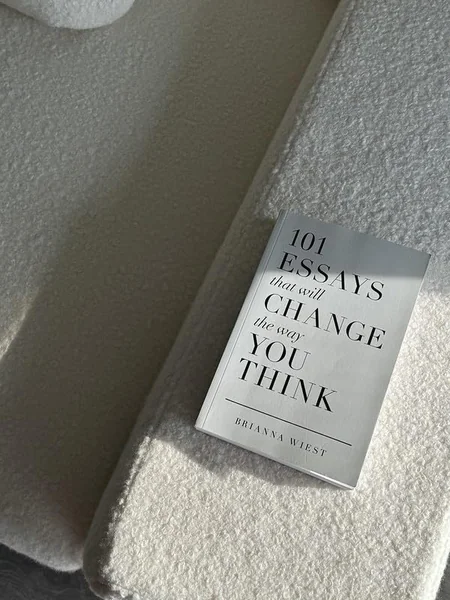
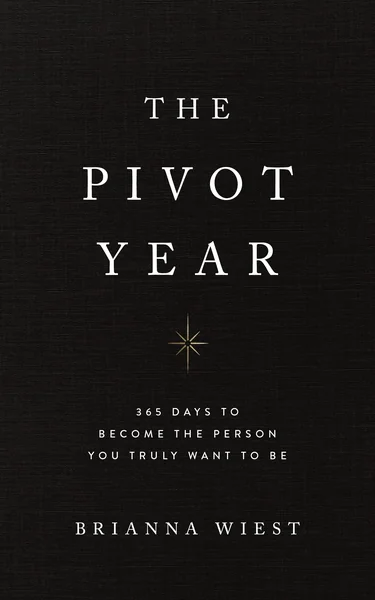
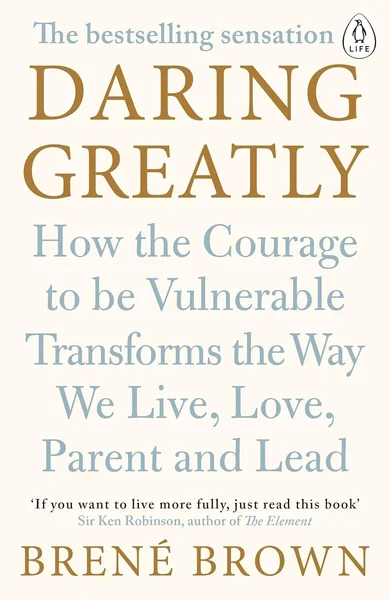
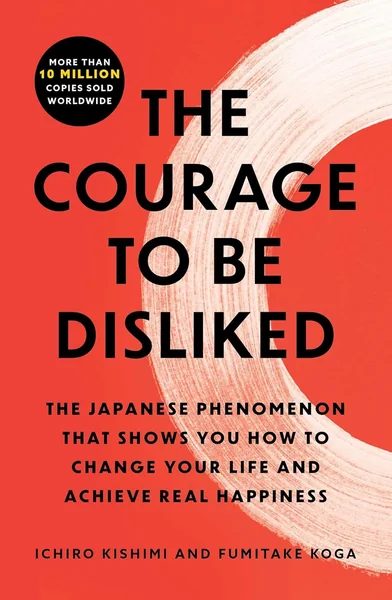
Readers who connect with The Mountain Is You will likely find common ground with several titles curated below. Brené Brown's Daring Greatly shares Wiest's interest in vulnerability and the internal barriers people erect against wholehearted living. Atomic Habits by James Clear is a natural companion for readers who want a behavior-change framework to act on the self-awareness Wiest builds. The Courage to Be Disliked by Ichiro Kishimi and Fumitake Koga echoes the book's Adlerian-adjacent psychology and its challenge to dismantle self-limiting beliefs. Wiest's own 101 Essays That Will Change The Way You Think and The Pivot Year offer further depth into her distinctive voice for readers who want to explore her wider body of work.
Who should read this?
The Mountain Is You is designed for adults who sense they are their own greatest obstacle but have struggled to understand why — particularly those who have attempted change repeatedly only to stall in familiar patterns of procrastination, negative self-talk, or avoidance. Readers who engage with emotional intelligence literature or who have found value in Wiest's other writing are the clearest audience. Those who prefer to combine reflective reading with structured practice will find the authorized companion workbook a useful extension of the framework.
About Brianna Wiest
Brianna Wiest is an internationally bestselling author whose books have sold millions of copies and regularly appear on global bestseller lists. Her titles include 101 Essays That Will Change The Way You Think, The Mountain Is You, The Pivot Year, When You're Ready This Is How You Heal, Salt Water, Ceremony, and more. She has over one million followers on Instagram.
What psychology is it based on?
The Mountain Is You draws primarily on Jungian psychology and Buddhist-influenced thinking about non-attachment and the present moment, using these as intellectual grounding for its framework on self-sabotage. Wiest keeps the language deliberately accessible throughout — psychological concepts are translated into clear, everyday terms rather than clinical jargon — while the book has also garnered acclaim, per SuperSummary's study guide, for its engagement with Buddhist concepts of consciousness and its prioritization of inner peace over the mere pursuit of happiness.
How does it compare to her other books?
Among Wiest's body of work, The Mountain Is You represents her most focused and sustained engagement with the psychology of self-limitation — more structurally cohesive than the wide-ranging 101 Essays That Will Change The Way You Think and more psychologically analytical than the meditative, poetic register of The Pivot Year. Where 101 Essays offers a broad collection of perspective-shifting essays and The Pivot Year leans into reflective prose poetry, The Mountain Is You builds a single, unified framework from diagnosis of self-sabotage through to practical self-mastery. LuvemBooks has reviewed both 101 Essays That Will Change The Way You Think and The Pivot Year for readers who want to compare directly.
Summarize this book

Summarize this book

The Mountain Is You argues that self-sabotage is not a deliberate act of self-destruction but the result of coexisting, conflicting inner needs — a tension that makes change feel futile until those needs are understood. Brianna Wiest uses the mountain as a dual metaphor for both external challenges and the internal obstacles people construct for themselves, closing with the idea that it is not the mountain we master, but ourselves. The book draws on Jungian psychology and Buddhist-influenced thinking about non-attachment and the present moment, while addressing concrete, recognizable behaviors such as procrastination, negative self-talk, and avoidance — linking each to specific underlying fears rather than treating them as character flaws. An official companion workbook extends the framework into structured exercises for readers who prefer a more active format.

Follow up

What does the mountain metaphor mean?
Is there a companion workbook?
Is there an audiobook version?

Synthesized from verified book data & published reviews · How we review

Press Enter to ask. Answers come from our editorial Q&A — start typing to see related questions.

Age & Reading Level

Recommended age

Adult

Reading level

Adult

Content to know about

heavy self-examination of personal failure and self-undermining patterns

Skip if you're looking for light, reassuring affirmation rather than substantive psychological self-examination.

Our Review

A self-help title that reframes self-sabotage as an internal conflict rather than a personal failing, The Mountain Is You offers psychological tools for readers ready to confront the obstacles they place in their own way.
The Mountain Is You: Transforming Self-Sabotage into Self-Mastery by Brianna Wiest front cover

What the Book Actually Argues

The central premise of The Mountain Is You is that self-sabotage is not a deliberate, conscious act of self-harm. Brianna Wiest argues, as the book's framing makes clear, that coexisting but conflicting needs are what create self-sabotaging behaviors — and that this tension is precisely why efforts to change can feel completely futile. The "mountain" of the title serves as a dual metaphor: it represents both the external challenges people face and the internal obstacles they construct for themselves. The book's closing idea — that in the end, it is not the mountain we master, but ourselves — crystallizes that premise neatly. Wiest draws on Jungian psychology and Buddhist-influenced thinking about non-attachment and the present moment to give the framework intellectual grounding, while keeping the language accessible throughout.

Scope and Significance

Wiest is the author of 101 Essays That Will Change The Way You Think and several other titles, and The Mountain Is You represents her most focused engagement with the psychology of self-limitation. According to SuperSummary's study guide, the book has garnered considerable acclaim for its exploration of the journey from self-sabotage to self-mastery, the importance of inner peace over the mere pursuit of happiness, and its engagement with Buddhist concepts of consciousness. Its commercial performance reflects that reach: the audiobook currently holds the #1 rank in Business Motivation & Self-Improvement among Audible Books & Originals, a strong signal of sustained audience demand in a crowded genre. An official companion workbook has also been released, extending the book's framework into structured exercises for readers who want a more active format.

Strengths: Accessibility and Practical Framing

One of the book's most noted qualities is how it translates psychological concepts into approachable language. As one web source puts it, "the deeper understanding of our negative habits are clarified with easy language and helpful examples," so that readers can quickly recognise how they are standing between where they are and where they want to be. Wiest addresses specific, recognizable behaviors — procrastination, negative self-talk, avoiding opportunities — and connects each to underlying fears or insecurities rather than treating them as character flaws. According to notesbythalia.com, Wiest writes in a supportive and friendly tone throughout, which makes the material feel companionable rather than clinical. The audiobook format, narrated by Stacey Glemboski in an unabridged run of just under six hours, is well-suited to this conversational register.

Limitations and Who It May Challenge

The book's candor is also where some readers may find friction. As notesbythalia.com notes, while Wiest's tone is supportive, the content can be quite heavy and hard-hitting at times — an expected consequence of a book that asks readers to examine the ways they undermine themselves. Readers looking for light, reassuring affirmation rather than substantive self-examination may find the material more demanding than the self-help label implies. Additionally, the book's blend of Jungian psychology, Buddhist philosophy, and practical self-help means it covers considerable conceptual ground within a relatively compact listening length; readers who prefer deep clinical rigor or extensive academic citation over integrated, accessible synthesis may find they want more methodological depth than the format provides.

Who This Is For

The Mountain Is You is designed for readers who sense they are their own greatest obstacle but have struggled to understand why — or who have attempted change repeatedly only to stall. Its framework is built around recognition and practical insight: identifying patterns, understanding their roots, and taking steps toward self-mastery. Readers who engage with emotional intelligence literature, or who have found value in Wiest's other writing, are the clearest audience. The existence of an authorized companion workbook also makes the book a natural starting point for those who prefer to pair reflective reading with structured, applied exercises. As a self-scope note: this review draws on the book's published content, its stated framework, and available critical and reader sources — not on direct application of its methods.

Sources & Further Reading

The key facts and claims in this review are grounded in the retrieved, verified sources listed below.

  1. Cited in this review
  2. 1
  3. Further reading
  4. 2
  5. 3
  6. 4
  7. 5
  8. 6
  9. 7
  10. 8

Books like The Mountain Is You

Curated picks for readers who enjoyed The Mountain Is You, with our reasoning for each match.

Why It’s Trending

Still a Self-Help Staple: The Mountain Is You Holds #1 on Audible

Brianna Wiest's The Mountain Is You keeps pulling in readers years after its release, currently sitting at #1 in Business Motivation & Self-Improvement on Audible. It's the kind of book that never really goes away — and there's a good reason for that.

The Mountain Is You has done something rare in the self-help world: it's stayed relevant long after its initial release, and right now it's holding the #1 spot in Business Motivation & Self-Improvement among Audible Books & Originals. That's not a fluke — it reflects a steady, ongoing wave of readers who keep recommending it to each other, whether that's on social media, in group chats, or just word of mouth from a friend who swears it changed how they think about themselves. The book's staying power comes down to its central idea: self-sabotage isn't something you do to yourself on purpose, it's what happens when different parts of what you need are pulling in opposite directions. That's a reframe a lot of people find genuinely useful rather than preachy, which is probably why it keeps circulating in the kind of online spaces — BookTok especially — where readers share books that actually felt like they did something. The audiobook format (just under 6 hours, narrated by Stacey Glemboski) also makes it easy to fit in, which doesn't hurt. The available news results don't point to a specific new event driving attention right now, but the Audible ranking tells its own story. If you've been seeing this title pop up in your feeds or on recommendation lists and wondering whether it lives up to the hype, that sustained #1 ranking suggests a lot of readers think it does.